

Guides · Handover
Taking handover: what to check before you sign
Handover is the last moment when defects are easy to fix. Go through the unit room by room, with the power and water on, and write everything down before you sign.
Before you start: when, who and what to bring
Take handover in daylight, with electricity and water connected, and with someone beside you who knows finishing work.
- The written quotation, the drawings and any signed samples, so you check against what was agreed.
- A torch for side light on walls and ceilings, and a long straightedge or a spirit level.
- A small socket tester, or a phone charger, to try every socket.
- A coin or the handle of a screwdriver to tap the tiles.
- Masking tape to mark defects, and your phone to photograph each one.
- Time: a thorough handover of an apartment takes hours, not minutes.
Every room: walls, ceilings and paint
- Hold the torch flat against the wall: waves, patches and trowel marks show up in side light.
- Check walls with the straightedge, and corners for straight, sharp lines.
- Look for hairline cracks, especially around door frames, window openings and where gypsum meets the wall.
- Paint should be one even colour, with clean lines where walls meet ceilings and no runs or brush marks.
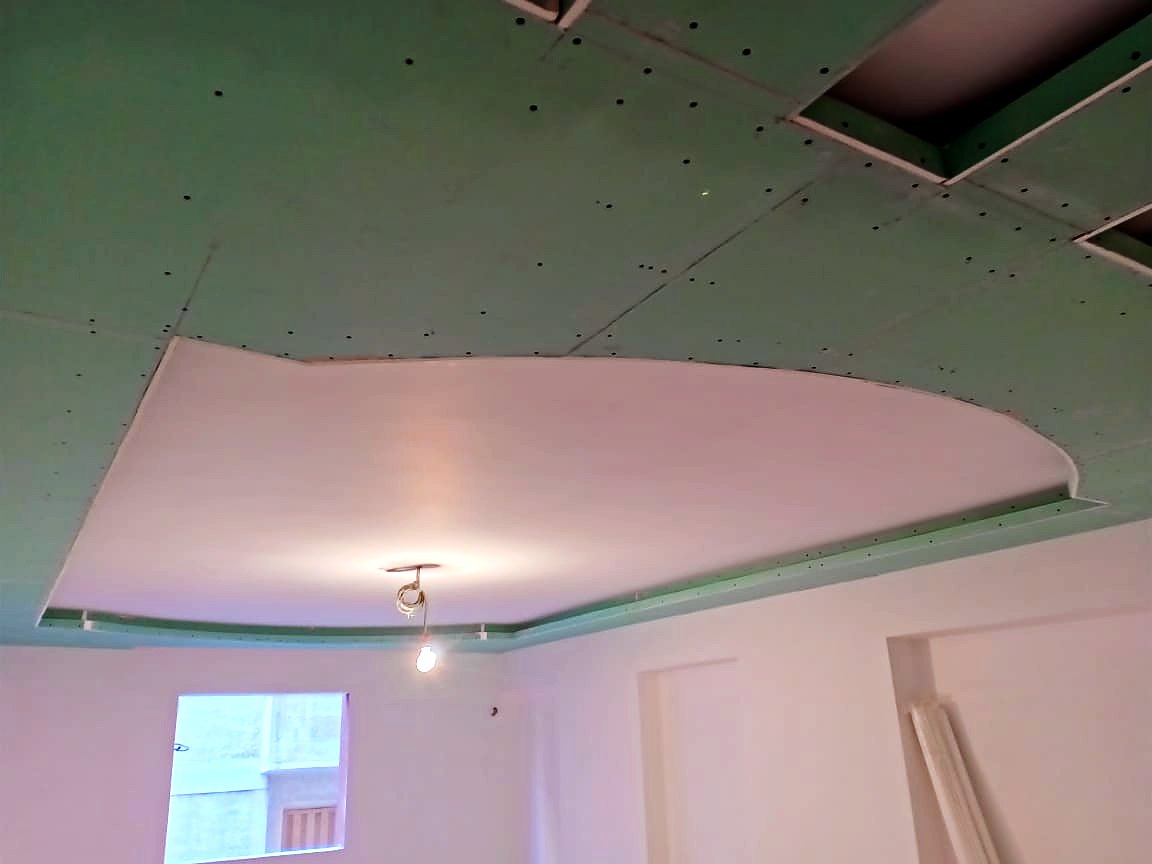
- Gypsum board joints should not show, and access hatches should open, close and sit flush.
- Look for damp patches or stains on ceilings below bathrooms and around AC units.
Every room: floors, marble and skirting
- Tap every tile with a coin or a screwdriver handle. A hollow, drummy sound means the tile is not fully bedded; mark it.
- Look along the floor from a low angle: tiles should be flat, with no raised edges between neighbours.
- Joints should be straight, even in width and completely filled.
- Cuts at walls and doorways should be clean, and hidden under skirting where that was planned.
- Marble should have an even polish or finish, matched colour between pieces and tight joints. On stairs, check every tread and nosing.
- Window sills should slope outwards so water runs away from the frame.
- Skirting should be continuous, straight and firmly fixed.
Every room: doors, windows and sockets
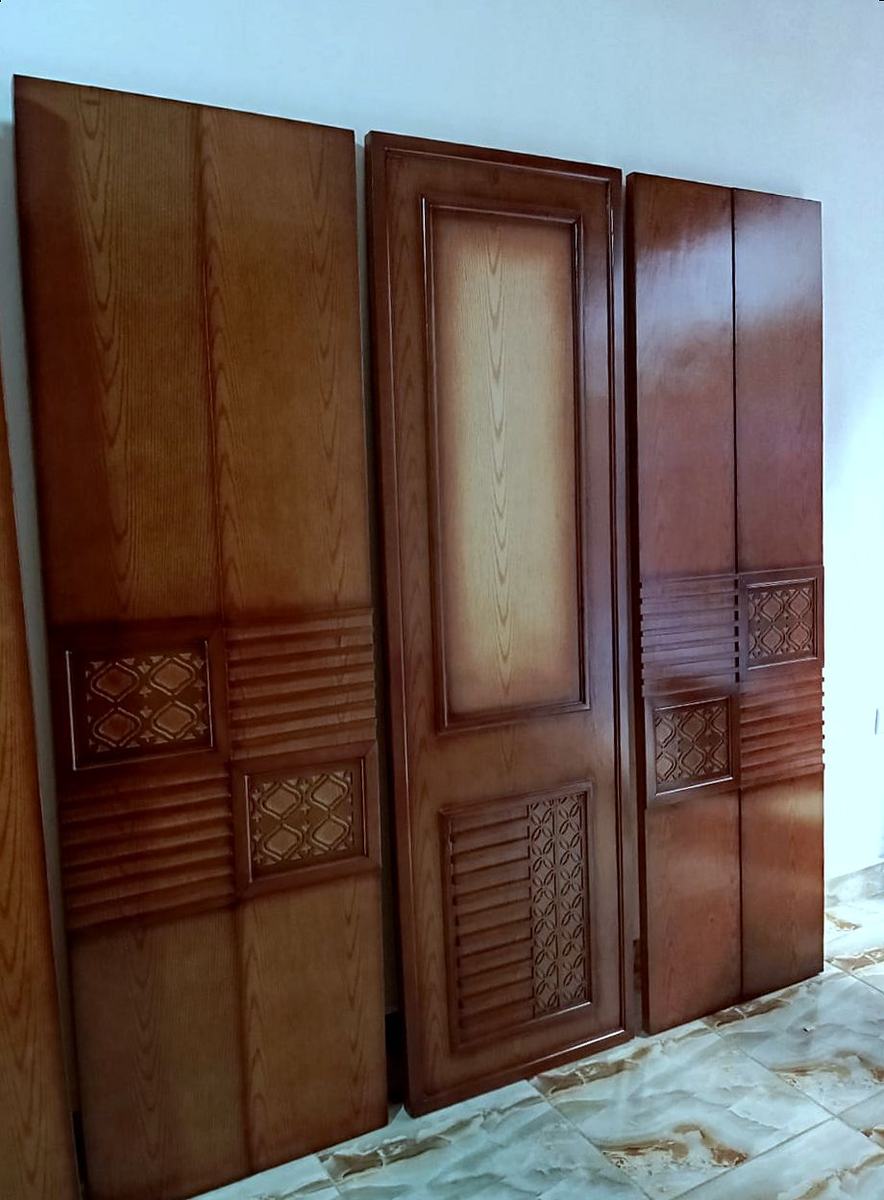
- Open and close every door: it should swing freely, stay where you leave it and show an even gap all round. Try every lock and key.
- Check that door leaves clear the finished floor, and that stops and handles are fitted.
- Open, close and lock every window and shutter. Sliding windows should run smoothly, and the drainage slots in the frame should be clear.
- Look at the glass for scratches and at the seals for gaps.
- Test every socket, every switch and every light, plus the doorbell and the TV and data points.
Bathrooms and kitchen: the water tests
- Run every tap, hot and cold, then look under every basin and sink for drips.
- Fill the basin, the sink and the bath, then let them go: water should drain quickly, without gurgling or backing up.
- Pour water on the shower floor and the balconies: it should run to the drain and leave no standing pools.
- Flush every toilet several times and check that the cistern refills and stops.
- Close every tap and look at the water meter. If it is still moving, there is a leak somewhere.
- Check that the water heater works.
- Silicone around basins, baths and worktops should be continuous and neat.
- In the kitchen: doors and drawers aligned and running smoothly, worktop joints tight, sink and hob cut-outs sealed.
Electrical panel, AC and balconies
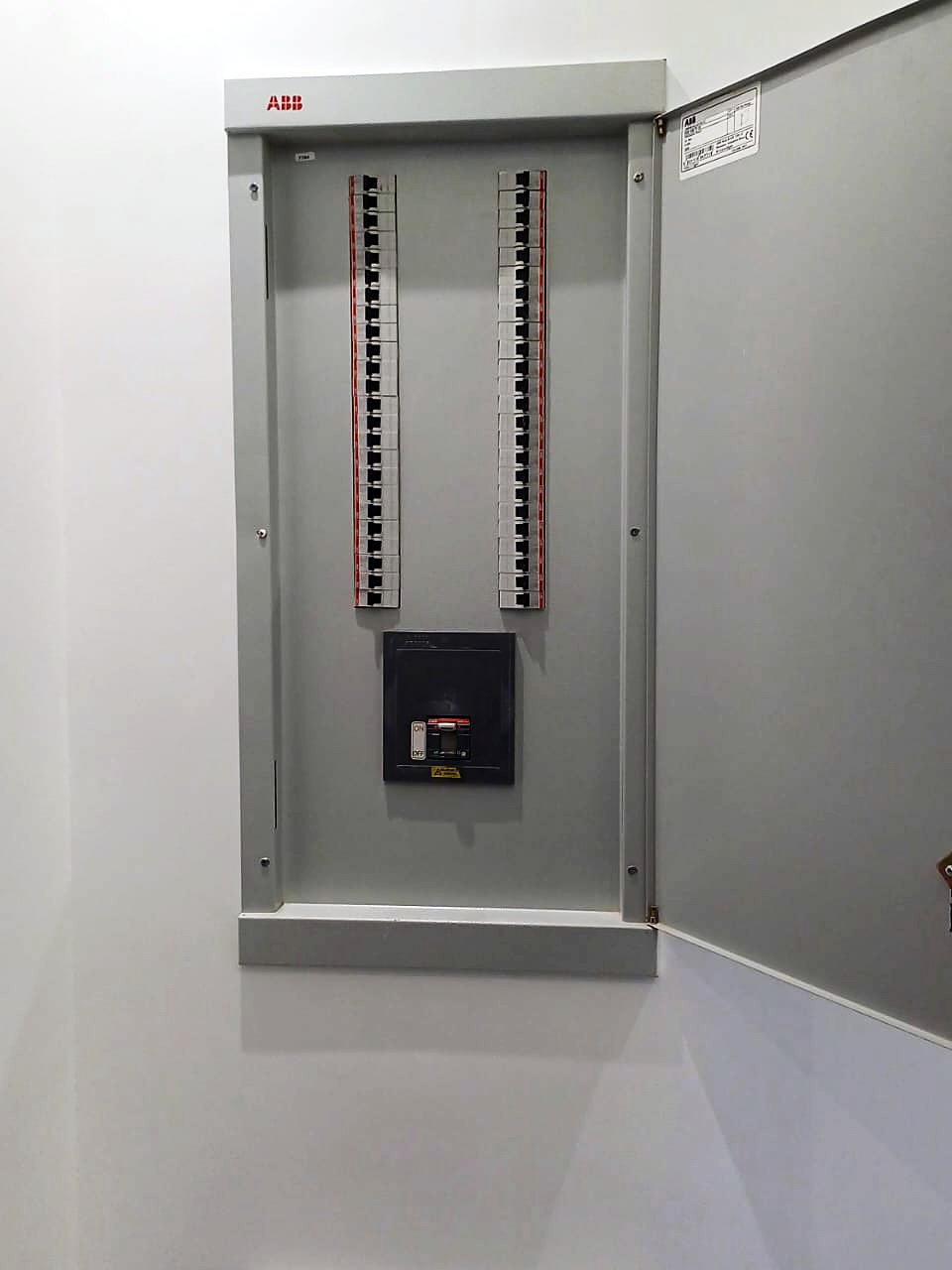
- Every circuit in the panel should be labelled with what it feeds.
- Press the test button on the earth-leakage breaker: it should trip at once.
- Ask the electrician to show you the earthing connection and test it.
- Run every AC unit on cooling. Check that the drain line takes water outside or to a drain, not down a wall, and listen for rattles.
- Outdoor AC units should be fixed firmly and reachable for maintenance.
- On balconies and terraces: floor falls, clear drains, firm railings.
The handover record and the snag list
The handover record (mahdar) is what you sign, so it should describe the unit as it actually is.
- List every defect by room, with a photo and a short description.
- Agree a date to fix each item, and a date to inspect again.
- If anything is still open, sign ‘received with the attached snag list’, not ‘received in good condition’.
- Attach copies of the drawings, and ask for the photos of the electrical and plumbing first fix taken before plaster: they show where pipes and cables run.
- Write down the handover date. Whatever the contract says about defects after handover usually counts from that day.
- Collect keys, remotes, manuals and supplier invoices.
How Itmam prepares for handover
With Itmam, the reference for handover is the written, itemised quotation you receive before work starts: every line in it is something you can check on the day.
Because you pay suppliers directly and the tax invoices are in your name, you can match the materials on site against those invoices. Fitted pieces are made in our own workshops, and stone is templated, cut and installed by the same team, so one team answers for that work from the drawing to the last joint.
Departments for this
Full Home Renovation
This is the contract most of our clients actually want: one company, one programme, one written quotation.
See moreElectrical & Smart Home
Electrics are invisible until they are a problem.
See more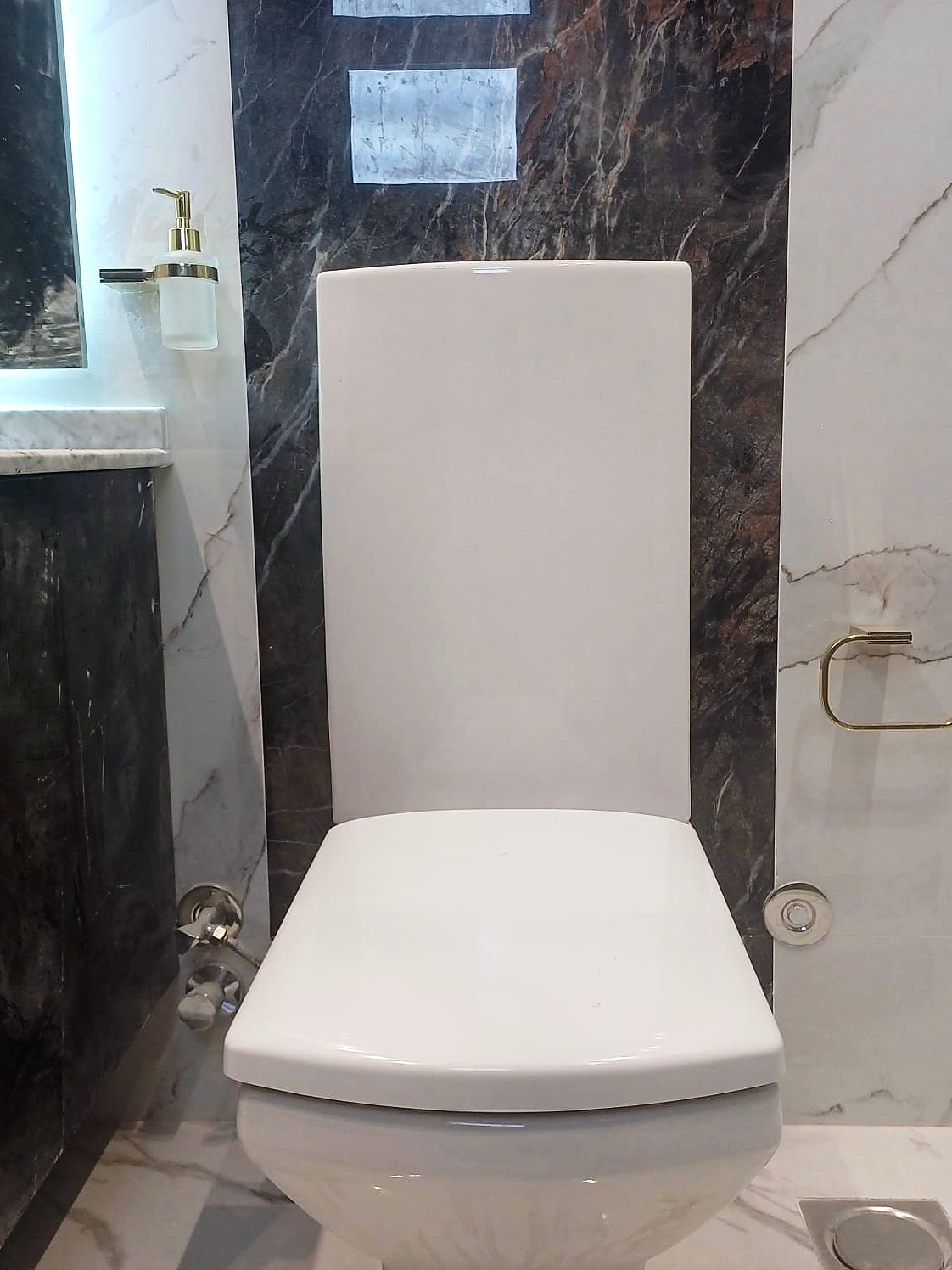
Bathrooms
Bathrooms are won and lost behind the tiles.
See moreWork we have done
Photo gallery
El Moghra
Turnkey build & finish · Desert lodge · Completed
View project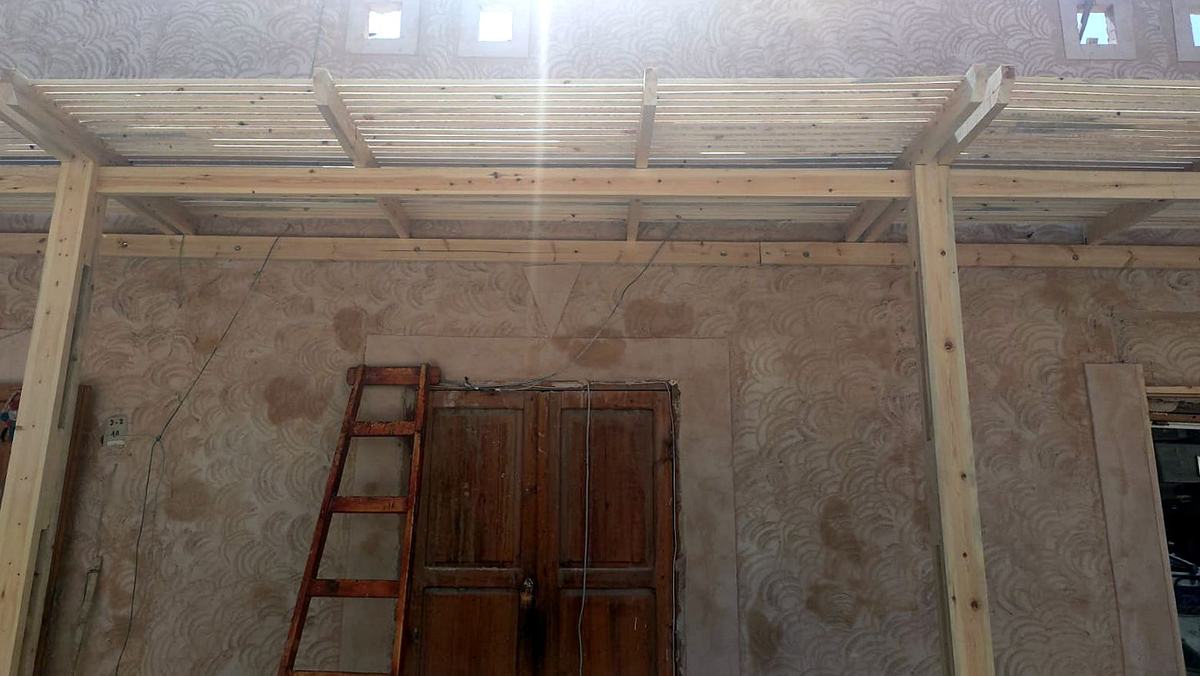
Market Street, Siwa
Façades, pergolas & shopfronts · A street of shops · Completed
View project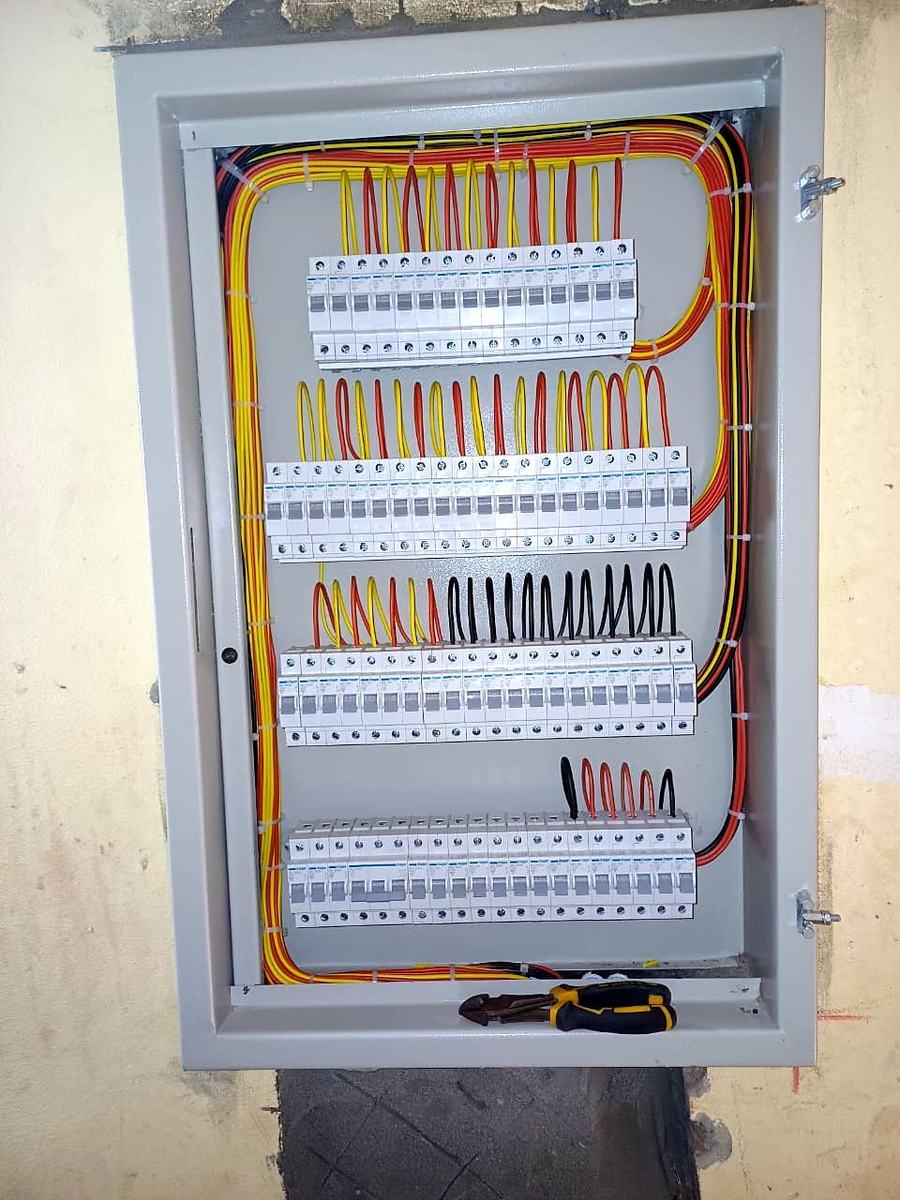
The Equestrian Yard
Stables, arena & yard · Working yard · In progress
View projectQuestions people ask
What's the most important thing to check at handover?
How can I tell if tiles are hollow underneath?
Should I sign if there are small defects?
Can someone take handover on my behalf?
What should I do about defects that appear after handover?
Read next
Completing a semi-finished flat without ripping it out
Semi-finished does not mean half the work is done. It means someone else has already done work that you will build on, so you…
See more Finishing · by current stateFrom red brick to keys
Took handover of a unit in red brick? Then everything is still ahead of you, and this is the best moment to make the decisions…
See more Guides · During the workFinishing a flat, step by step
Finishing has a right order, and most expensive mistakes come from breaking it. Here is the sequence from bare walls to…
See more