Finishing · by level
Finishing levels in Egypt, item by item
Lux, super lux and ultra super lux are words the whole market uses, and every company means something slightly different by them. Here is what usually changes from one level to the next, and how to turn a label into a written specification you can hold someone to.
These names are not a fixed standard
Lux, super lux and ultra super lux are market labels, not grades that every company defines the same way. What one firm calls super lux another may call lux, and the reverse; a developer may print the word in an advert without a single detail behind it.
So the label alone protects nobody. What protects you is a written specification for each item: the material, its size, grade and thickness, how it is installed, and what the item includes and leaves out. ‘Porcelain’ on its own can mean any porcelain. ‘Porcelain, this size, this grade, on this adhesive, with joints this wide’ tells you exactly what you will receive. The same goes for names like ‘deluxe’ and ‘high lux’: compare items, not names.
The comparison table
This is what each level usually means in the Egyptian market in terms of materials and workmanship. It is not a fixed standard. Use it as a list of questions to put to any company, not as a promise of what you will receive.
| Item | Lux | Super lux | Ultra super lux |
|---|---|---|---|
| Floors | Standard-size ceramic tiles, laid to an acceptable finish without tight demands on flatness or joint width. | Porcelain in the reception and corridors, good ceramic elsewhere, matching skirting, and flatter, straighter laying. | Natural marble or large-format porcelain, sorted for vein and shade before laying, with thin, even joints and properly detailed thresholds and skirtings. |
| Walls and ceilings | Putty and emulsion in a limited number of coats; ceilings mostly plain or with a simple cornice. | More putty coats and sanding before paint; gypsum board ceilings in the reception and corridors with simple concealed lighting. | Walls prepared until they read flat under side light, high-grade paints or cladding in stone, timber or wallpaper, and gypsum ceilings designed together with the AC and lighting. |
| Bathrooms | Ceramic walls and floors, basic sanitaryware and exposed mixers. | Porcelain or good ceramic up to the ceiling, sometimes a wall-hung WC with a concealed cistern, and better mixers. | Concealed mixers and cistern, a frameless or slim-framed tempered-glass shower, sometimes a linear drain, stone or large porcelain, and a vanity made to measure. |
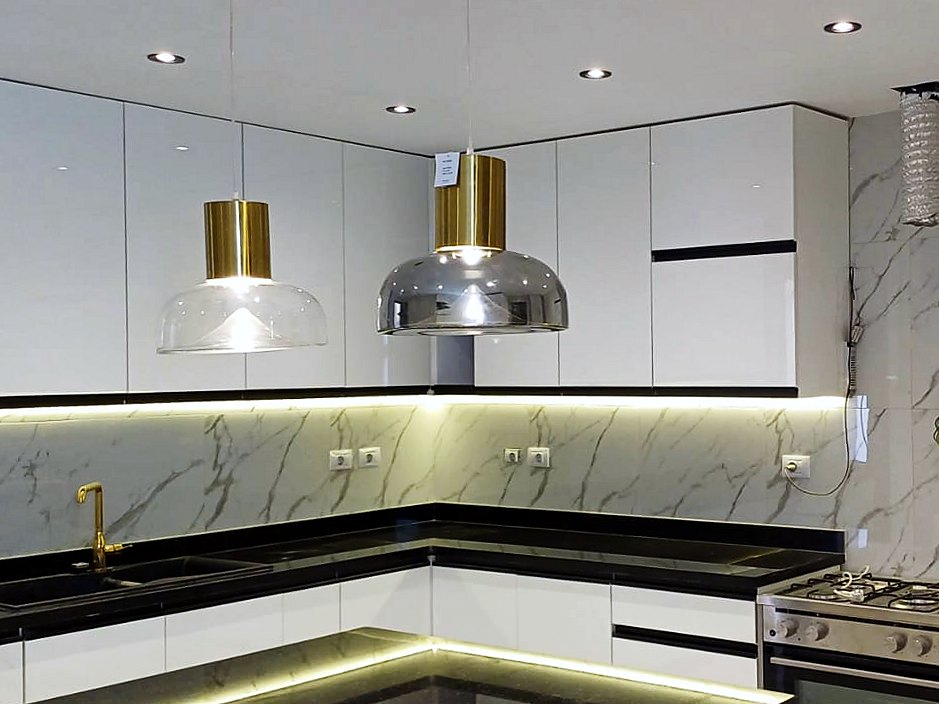
| Kitchen | Often just the plumbing and electrical points and the wall tiling; the kitchen itself is a separate item or a simple set of standard units. | MDF or HPL units designed for the room, a granite or quartz worktop, and mid-range hardware. | A made-to-measure kitchen in high-grade materials and hardware, a selected quartz, marble or granite top, integrated appliances and under-cabinet lighting. |
| Doors and windows | Simple panelled timber or MDF doors; standard aluminium sections with single glazing. | Better-finished MDF or timber doors with good locks; heavier aluminium sections or UPVC, with double glazing on noisy elevations. | Full-height or veneered solid doors, concealed hinges and magnetic latches, thermally broken aluminium with double glazing, and integrated shutters. |
| Electrics and AC | A basic number of outlets and a simple board; AC usually limited to pipework for split units, or nothing. | Cable sizes worked out from the loads, a board with a breaker per circuit and proper earthing, more outlets, and copper pipe and drain provision for split units. | A full electrical design with separate circuits, lighting control and smart-home readiness, and concealed ducted AC with slot diffusers in the ceiling. |
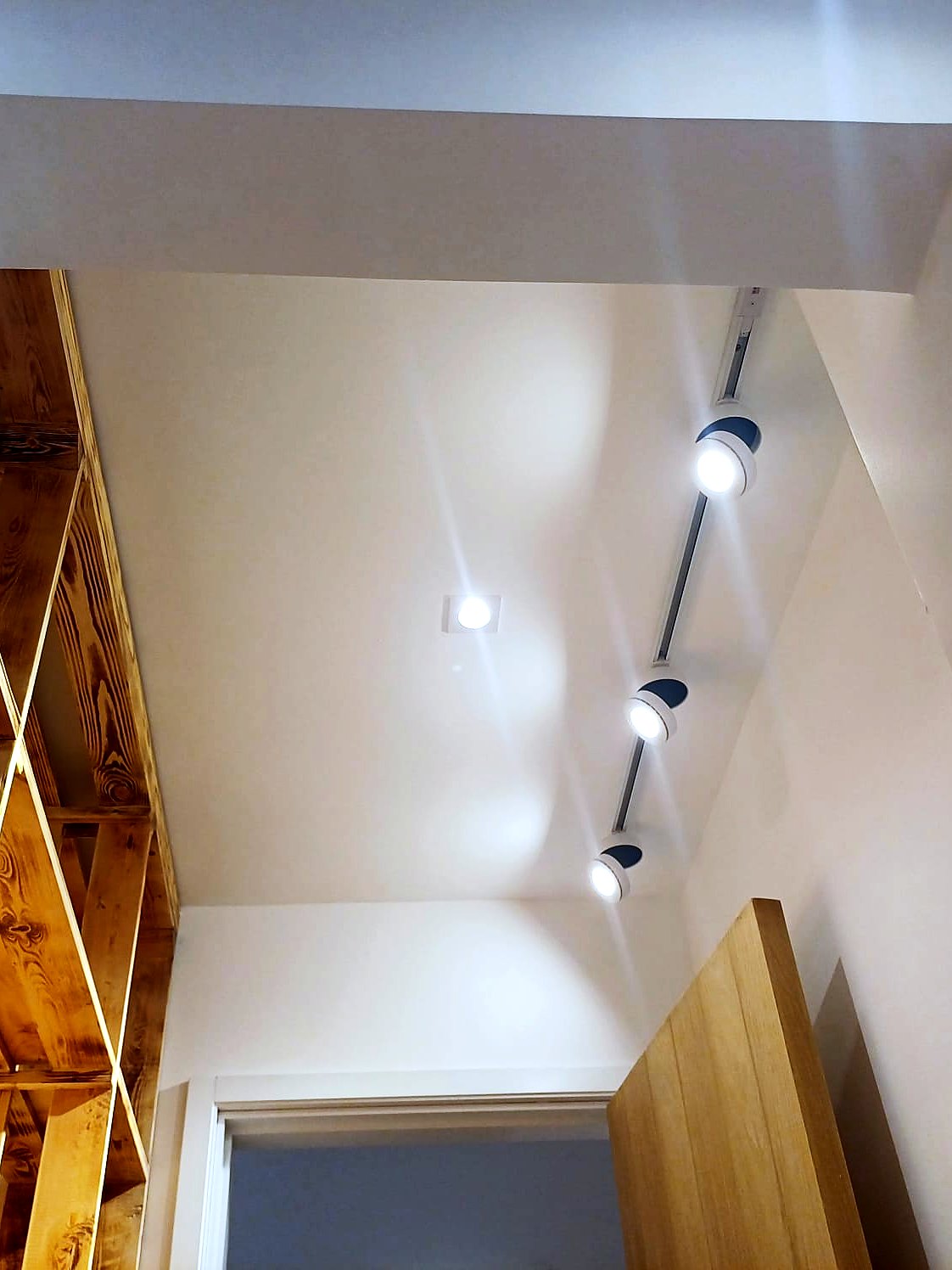
| Lighting | Roughly one ceiling point per room. | LED spotlights in the gypsum ceilings and some concealed light in the reception. | A layered lighting design — general, concealed and accent light — with consistent colour temperature, dimming and lighting scenes. |
One thing should not change between levels: waterproofing under bathroom, kitchen and balcony floors, a water test before tiling, and proper earthing. These are conditions of safety and of a finish that lasts, at any level. They are not extras reserved for ultra.
The level is not the handover state
The level describes the quality of materials and workmanship; the handover state describes where the work begins: on red brick, semi-finished with plaster and some first fix, or finished by the developer at whatever level they wrote down. Any of them can end at any level.
But the state you receive affects the level you want. Take a semi-finished unit to ultra super lux and you may have to remove or change part of what is there: wiring that does not suit concealed AC, or floor levels that will not allow a level-entry shower. Check what exists before you build on it.
Where the cost difference sits
The difference between levels is not spread evenly over every metre. It sits in a handful of items:
- Floors: moving from ceramic to large porcelain or marble changes the material, the laying and the finishing after it, across every metre of the unit.
- Bathrooms and kitchen: concealed mixers, wall-hung sanitaryware, glass, stone tops and made-to-measure units are the most expensive items per square metre.
- AC: concealed ducted AC needs equipment, design work and gypsum ceilings, so it cannot be compared with pipework for split units.
- Joinery and lighting: full-height doors, made-to-measure wardrobes, a lighting design and control circuits move the cost more than most people expect.
That is why we do not publish a price per metre for each level: one number cannot describe your choices in these items. We visit, measure and give you a written, itemised quotation, so a change of level in one item shows up in that item.
How to make sure you get the level you agreed
Write every item down
In the quotation and the contract: the material, its size, grade and thickness, the installation method and what the item covers. The words ‘super lux’ on their own are not a specification.
Sign the samples
Ask for a sample of every visible material: tiles, stone, paint, doors and hardware. Each side keeps a signed sample, and what arrives on site is checked against it.
Inspect before it is closed up
The inspections that matter most happen before walls and ceilings are closed: electrical and plumbing first fix, a pressure test on the water pipes, and a water test on the waterproofing. After tiling, these faults are hard to find and harder to fix.
Accept it item by item
At handover, check flatness, joints, corners and paint under side light, tap the tiles to find hollow spots, and try every socket, mixer, door and window. A written handover checklist saves a lot of arguments.
Which level suits you?
The right level depends on how you will use the unit and for how long, not on which name sits highest on the list.
- The home you will live in: spend on what is hard to change later — waterproofing, first fix, floors, bathrooms and AC. Paint and accessories are easy to change afterwards.
- A flat to rent out: durable materials in sizes that are easy to replace. Good super lux is usually enough, with a step up in the bathrooms and kitchen because they wear fastest.
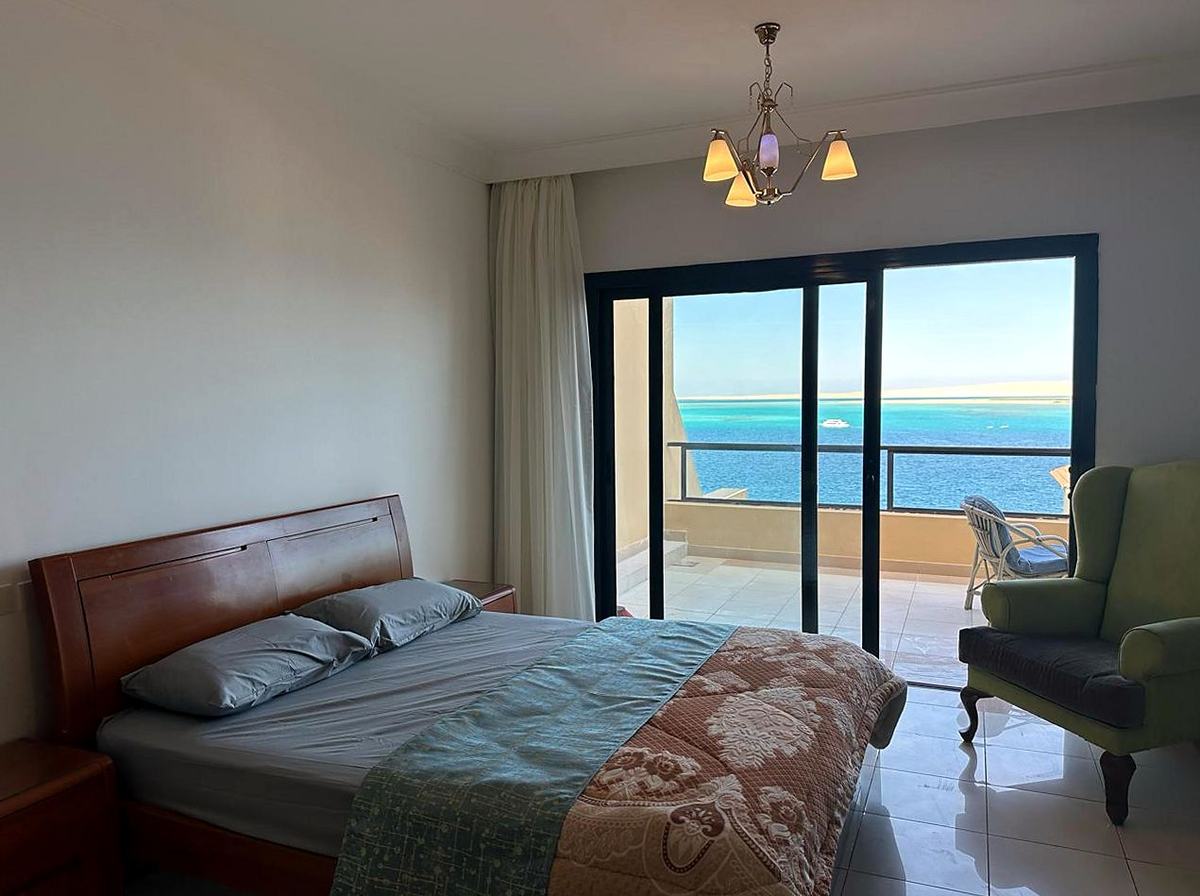
- A chalet on the North Coast: resistance to salt and damp matters more than visible luxury, so materials and hardware made for the sea come first.
- A unit to sell: buyers look at floors, bathrooms and kitchen first, so those are the items that deserve attention, with a written specification to hand over.
- You can mix levels: ultra super lux in the reception and main bathroom, super lux in the children’s rooms and guest bathroom. A sensible choice, as long as it is written item by item.
And hotel-style finishing?
Hotel-style is not a fourth level but an approach: hidden services, surfaces that take daily use, considered lighting and quiet rooms. It is usually built at a level close to ultra super lux, but what sets it apart is the detailing, not the materials alone, and its decisions start with the plumbing, wiring and ceilings, not the decoration.
How Itmam handles levels
We do not sell the name of a level; we write a specification. We visit and measure the unit, then give you a written, itemised quotation before work starts, with every item’s material, size and installation method. We work in Alexandria, on the North Coast and in New Cairo, and elsewhere in Egypt when the job suits us.
On a finishing contract you pay each supplier directly and the tax invoice is in your name; our fee for supervision and execution is agreed in writing before we begin. That keeps the comparison between levels clear: you see the price of each material from its supplier, and our fee separately.
Kitchens, wardrobes, doors, vanities and stone tops are made in our own workshops, and stone is templated, cut and installed by the same team. You can browse a catalogue of 94 Egyptian stones: marble, granite, quartz and onyx.
Departments for this
Full Home Renovation
This is the contract most of our clients actually want: one company, one programme, one written quotation.
See more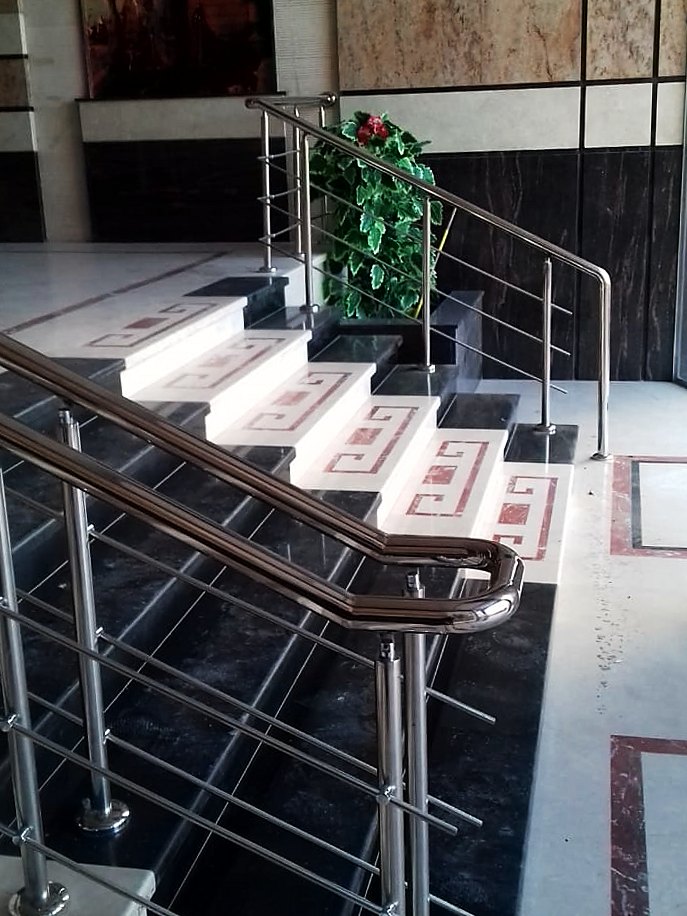
Marble
We buy marble at the block, not off a photograph.
See more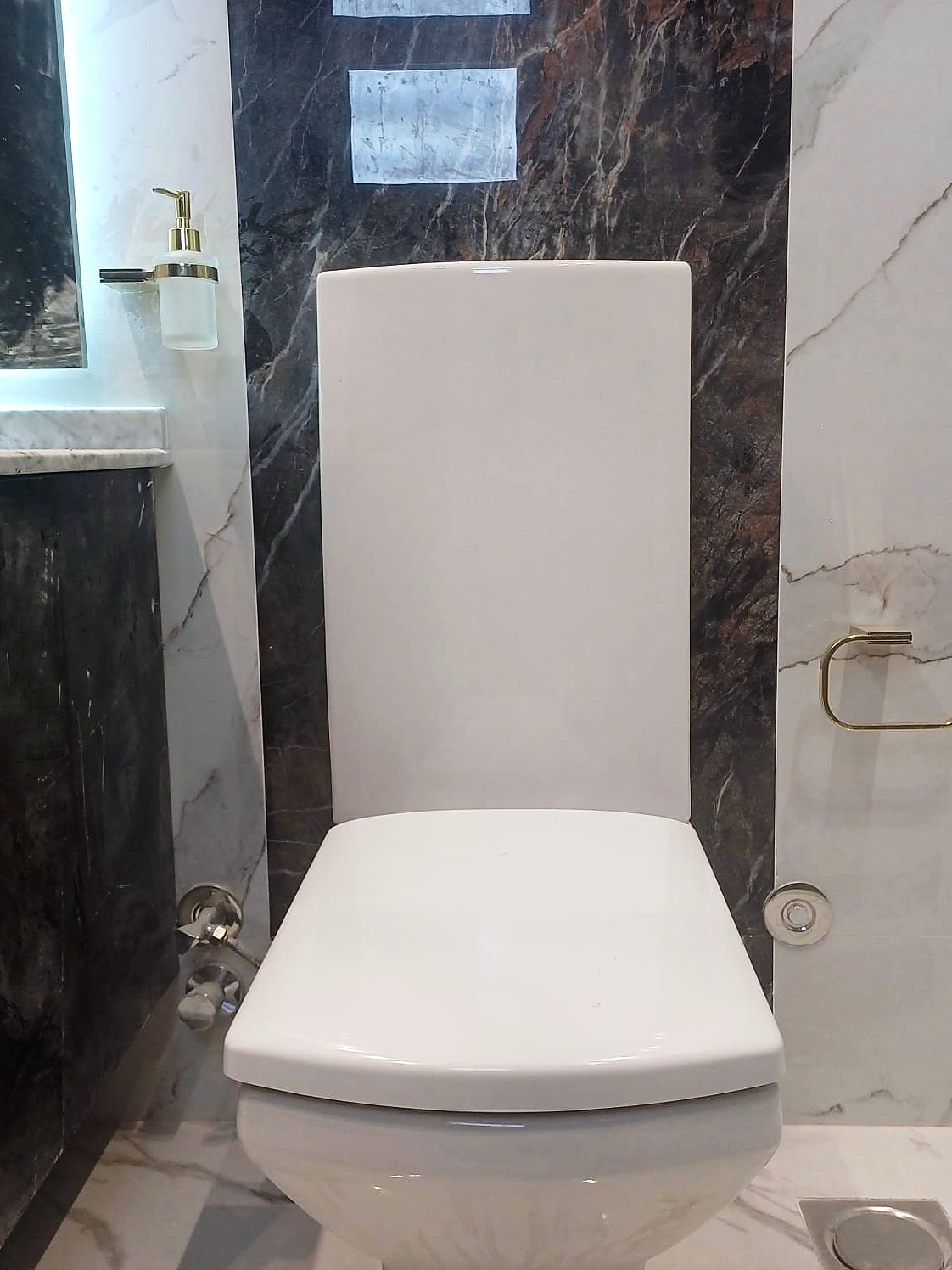
Bathrooms
Bathrooms are won and lost behind the tiles.
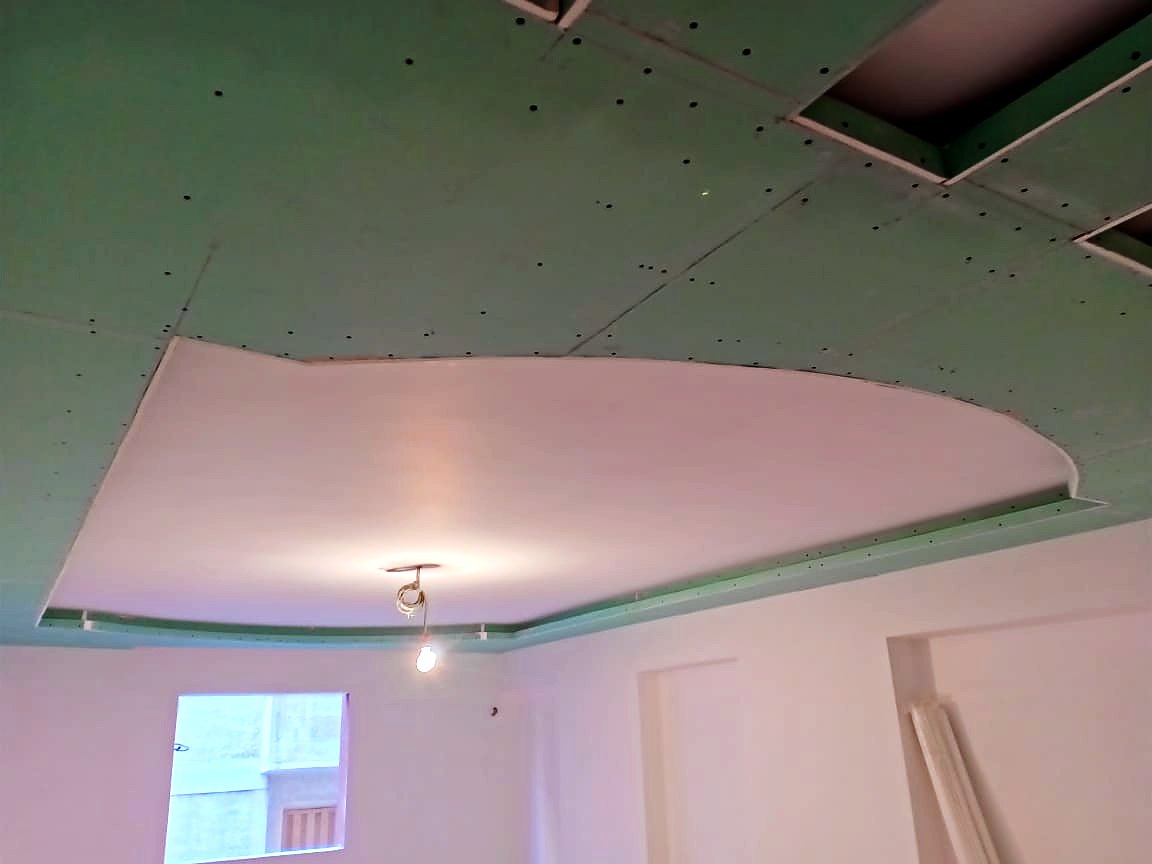
See moreGypsum & Decorative Ceilings
The ceiling is where lighting, air conditioning and joinery all arrive at the same plane, which is why it is the first thing an eye catches when something is out.
See more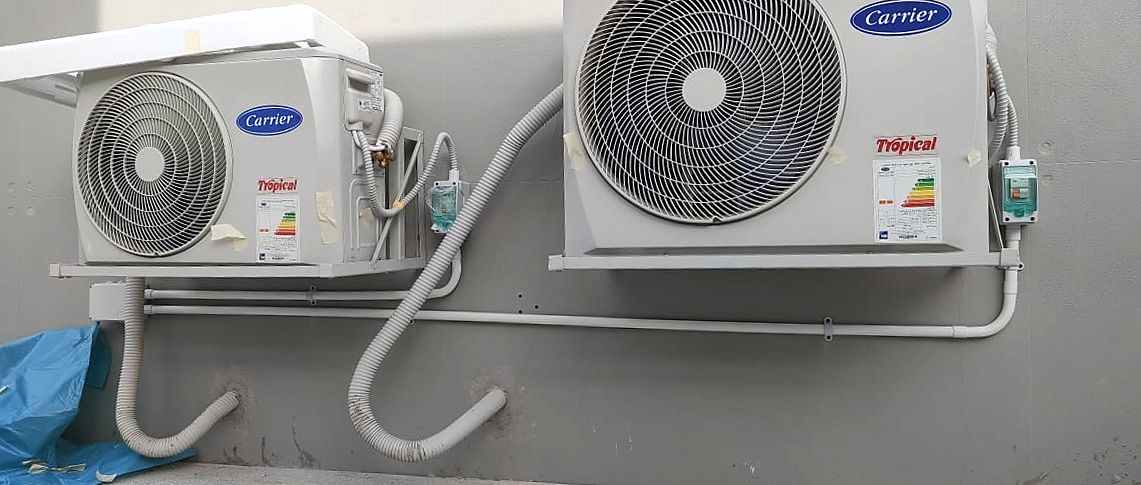
Air Conditioning & Ventilation
Air conditioning is the system nobody thinks about until it fails, and then it fails visibly: a brown stain spreading across a new gypsum ceiling, a bedroom that never gets cold because the unit was chosen from a catalogue, an outdoor condenser eaten through by three seasons of salt.
See more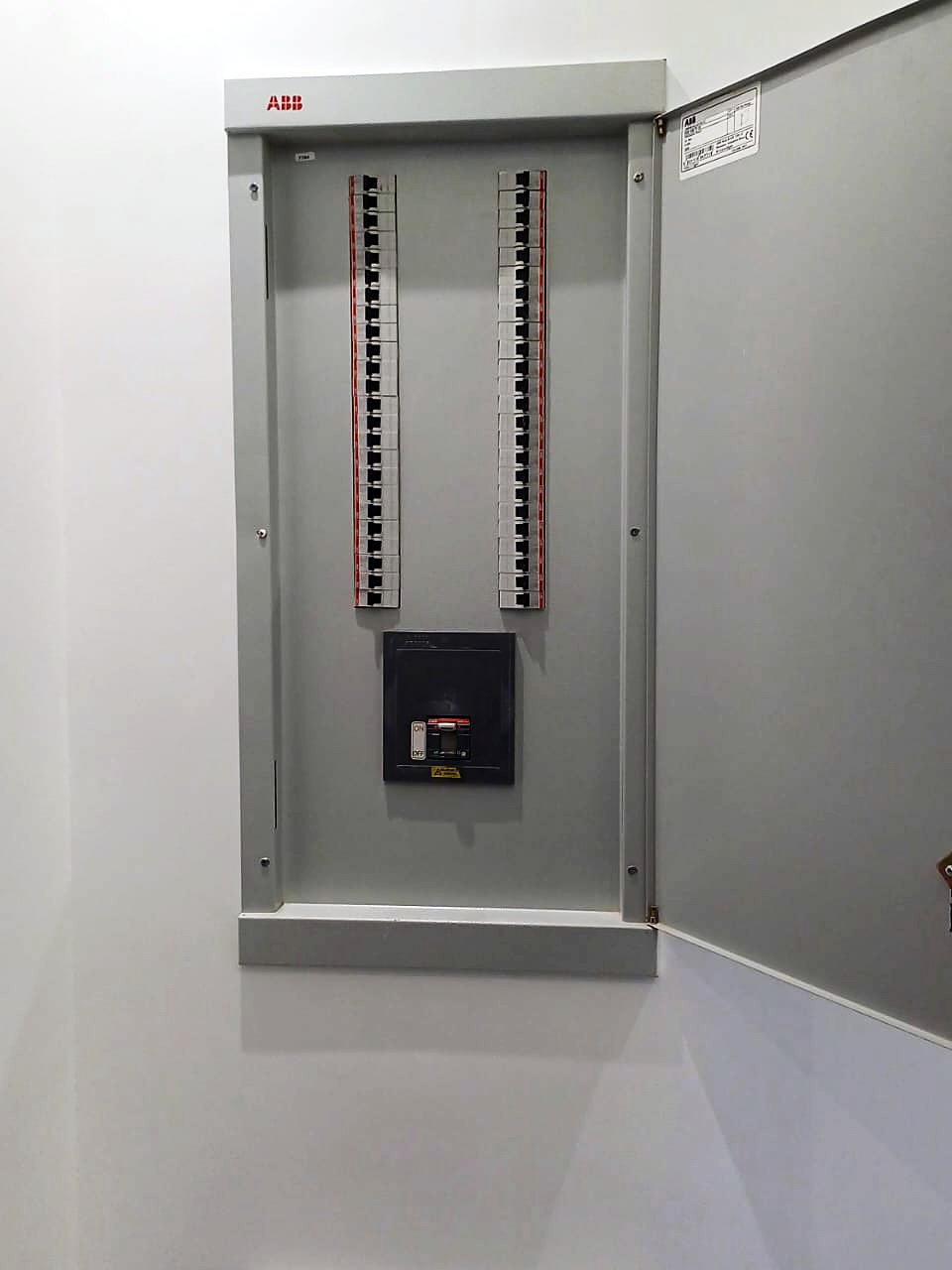
Electrical & Smart Home
Electrics are invisible until they are a problem.
See moreWork we have done
Photo gallery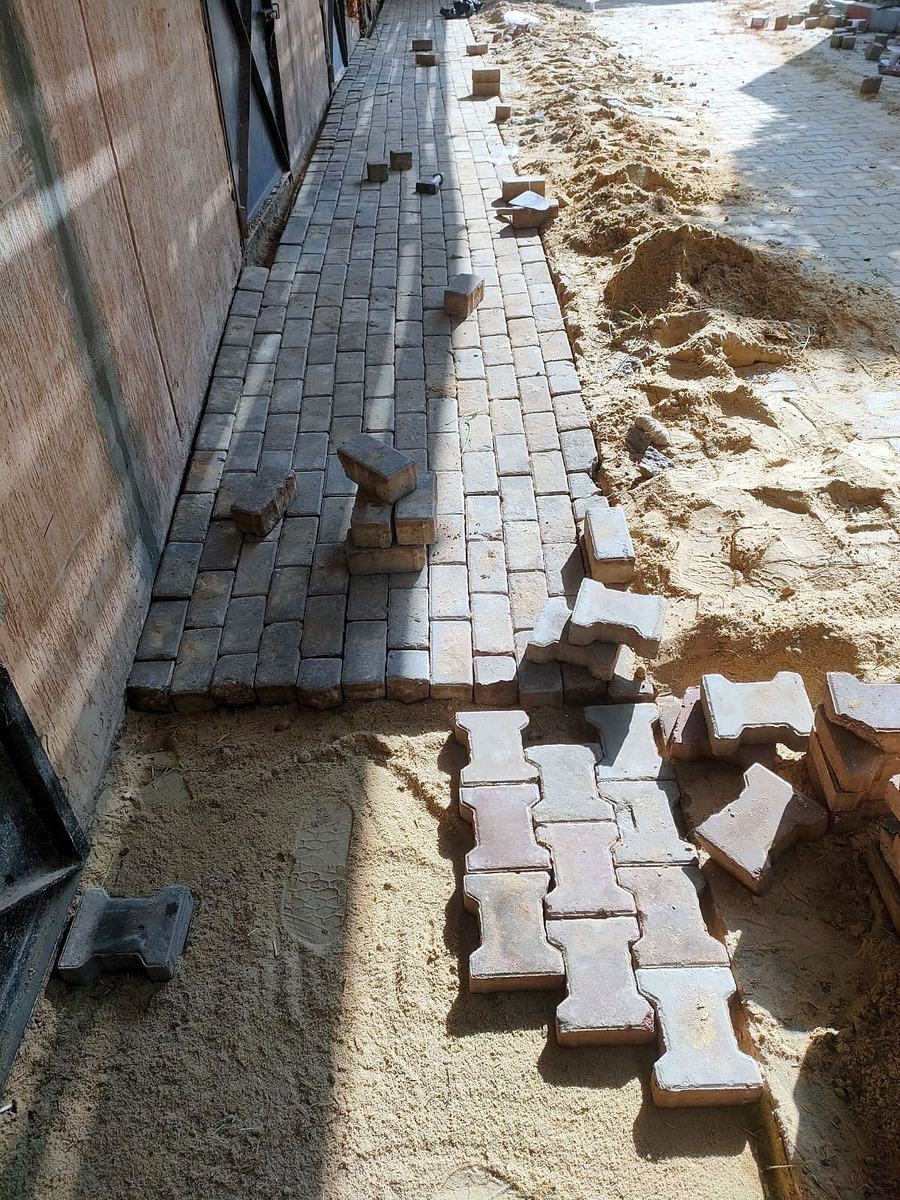
The Equestrian Yard
Stables, arena & yard · Working yard · In progress
View project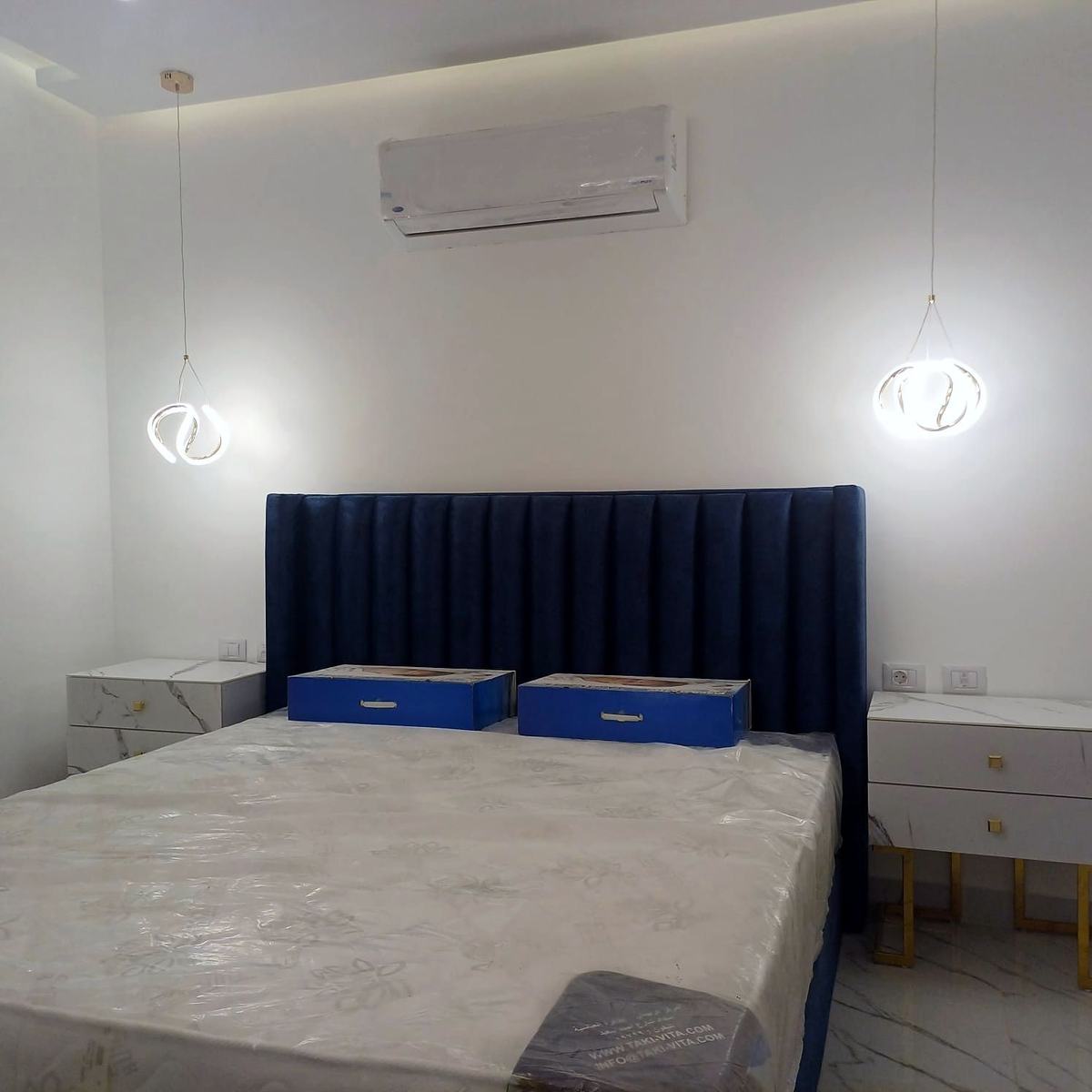
Sea-view Villa — Marble & Brass
Turnkey finishing · Villa · In progress
View project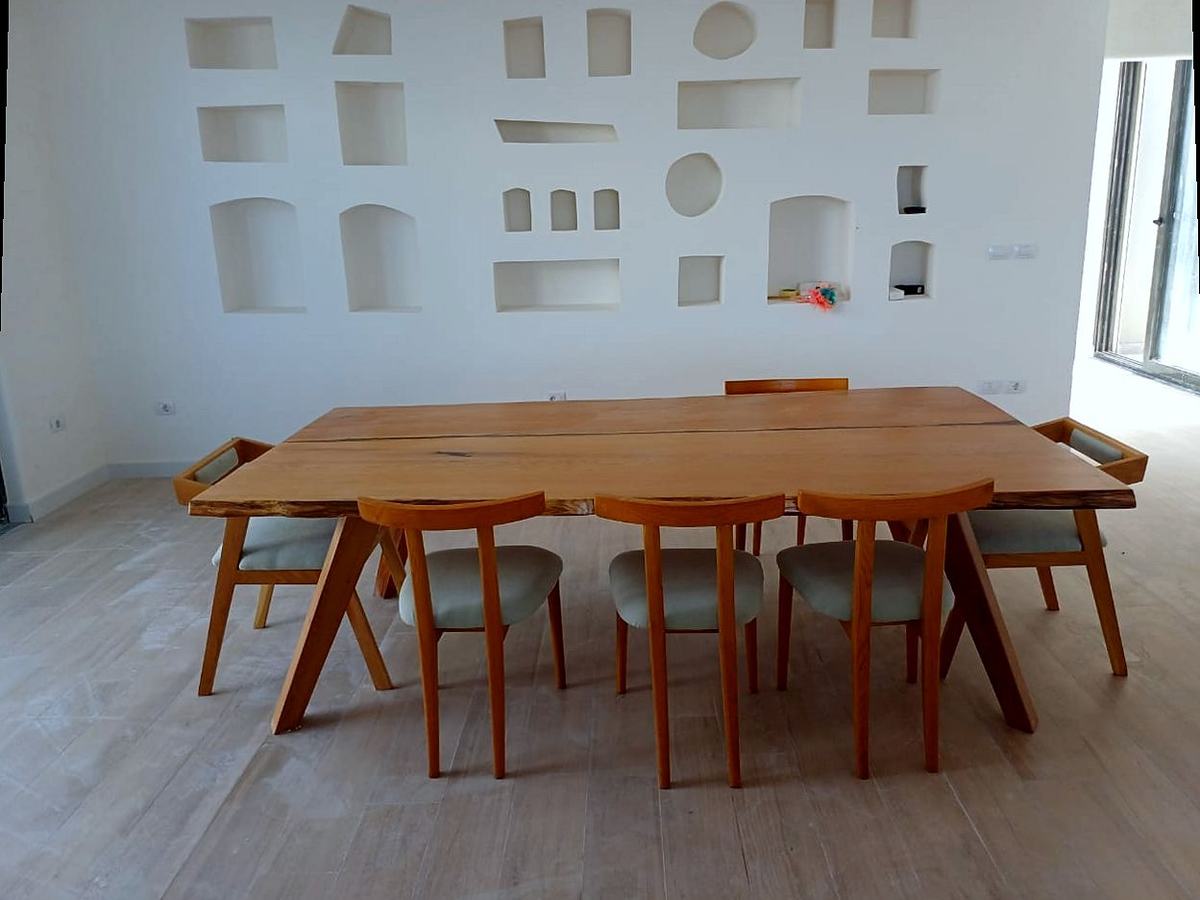
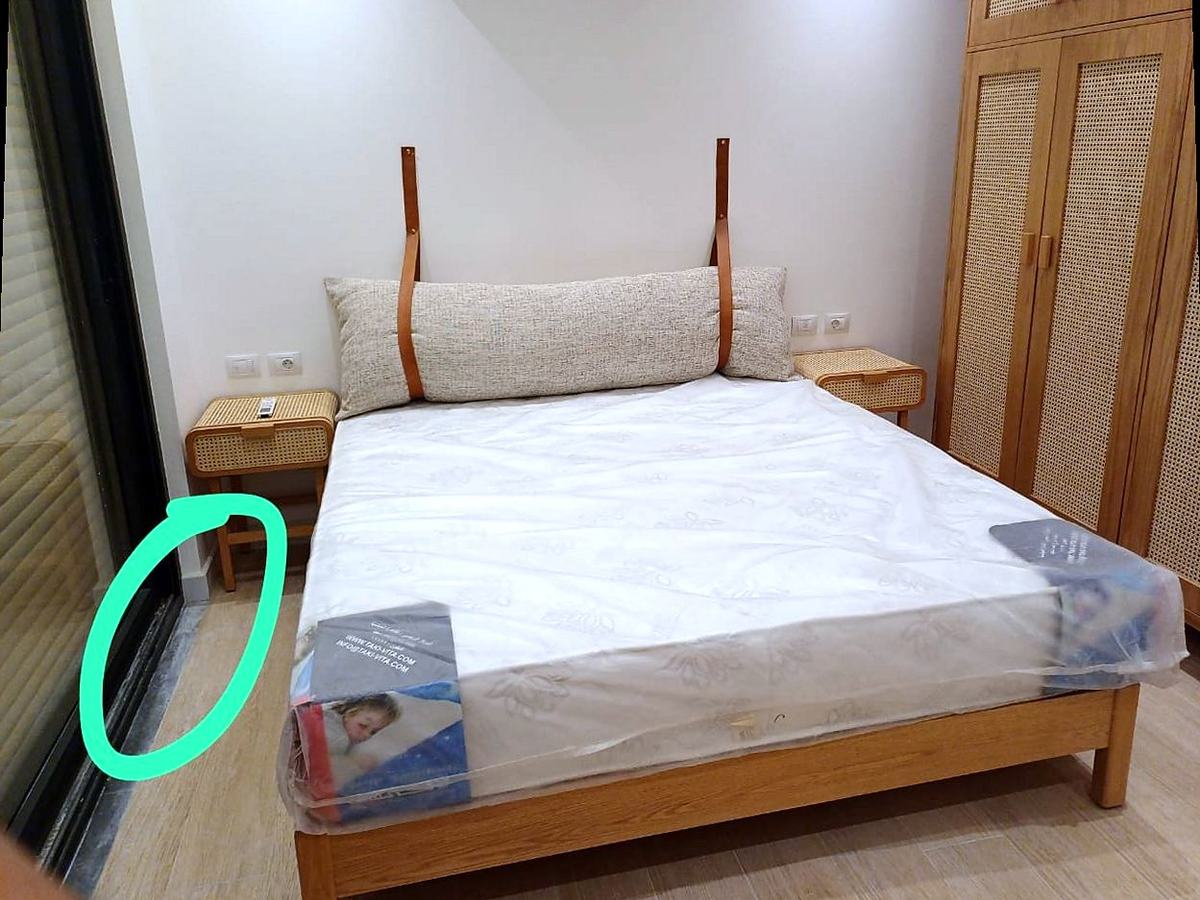
Pool Villa — Oak & Rattan
Exterior, pergola & interiors · Villa · In progress
View projectQuestions people ask
What’s the difference between super lux and ultra super lux?
What does high lux or deluxe finishing mean?
Is there an official standard for these levels in Egypt?
Can I mix levels: ultra for wet rooms, super lux elsewhere?
The developer says super lux. How do I check?
How much does the price per metre change between levels?
Read next
Super lux finishing, fully specified
Super lux is the level many flats in Egypt are finished to, and the label people understand in the most different ways. Here is…
See more Finishing · by levelUltra super lux: a written spec, not a slogan
Ultra super lux is not just expensive materials. It is decisions taken early, details built precisely and systems hidden behind…
See more Finishing · by levelHotel-style finishing at home
The feeling you get in a good hotel room is not an accident: hidden services, a few repeated materials, layered light and quiet.…
See more Guides · Before you startThe finishing BOQ: every line that should be written down
A muqaysa, or bill of quantities, lists every job and material in your finish with its unit and specification. Read properly, it…
See more Finishing · by current stateFrom red brick to keys
Took handover of a unit in red brick? Then everything is still ahead of you, and this is the best moment to make the decisions…
See more Finishing · by current stateCompleting a semi-finished flat without ripping it out
Semi-finished does not mean half the work is done. It means someone else has already done work that you will build on, so you…
See more Guides