Guides · Colour and paint
Wall paint colours and paint types: a guide to choosing
Calm wall paint colours such as off-white, vanilla latte and light grey are popular in Egyptian homes now, but the same colour looks different from one room to the next depending on the light, the floor and the type of paint. This guide covers the paint types used in Egypt, how to choose and test a colour, and what has to happen to the wall before any colour goes on.
Paint types in Egypt: which one goes where
Most walls in Egypt are painted today with plastic (emulsion) paint, which is water-based and comes in several sheens; oil paint belongs on wood and metal, and moisture-resistant paints in bathrooms and kitchens:
| Type | Look | Suits | Wiping and washing |
|---|---|---|---|
| Matt emulsion (مطفي) | No sheen; hides small flaws in the wall | Ceilings, bedrooms, reception rooms | The least, unless labelled washable |
| Semi-gloss emulsion (نص لمعة) | A light sheen | Corridors, children’s rooms, kitchens | Higher than matt |
| Gloss emulsion (لامع) | A clear shine that shows every ripple | Areas wiped often, on an excellent wall | The highest of the emulsions |
| ‘Satin’ and ‘velvet’ (ساتان، قطيفة) | A soft sheen between matt and gloss | Reception rooms, bedrooms, corridors | Usually washable, depending on the product |
| Oil / alkyd (زيت) | A hard, glossy film | Doors, frames, metalwork, railings | Very high |
| Moisture- and mould-resistant | Usually matt or semi-gloss | Bathrooms and kitchens | Takes wiping and steam |
‘Satin’ and ‘velvet’ are names used in the market, not one specification. ‘Velvet’ usually has the quieter sheen and the softer feel, but that varies from maker to maker, so read the sheen level on the can and whether it says washable.
Oil paint is used less on walls now because it smells strongly, white oil paint tends to yellow with time, and its film does not let water vapour through the way emulsion does, so it blisters or peels on a damp wall. Washable emulsions now do its old job in kitchens and stairwells.
Calm wall paint colours: the shades popular now
Light, calm shades are the most popular in Egyptian homes now, because they are easy on the eye and make a space feel larger. But colour names change from one maker to another, so the colour code is the reference, not the name.
| Colour | Character | Watch out for |
|---|---|---|
| Off-white | A broken white with a warm or cool tint | There are many, so compare samples side by side |
| Vanilla latte | A warm cream between white and beige | Can look too yellow in west-facing sun |
| Beige | Warm, from very pale to sandy | Next to a floor of the same shade, the room looks flat |
| Greige | A grey leaning to beige, neither cold nor warm | Greyer in cool light, beiger in sun |
| Light grey (رصاصي فاتح) | A calm, contemporary grey | Can look gloomy in a dim room, so choose one with a warm base |
| ‘Breeze’ shades | A pale blue or green leaning to grey | Looks colder than you expected in cool light |
If you like a deeper colour, put it on one wall, behind the bed or on the television wall, and keep the other walls in a light shade of the same family; this is common in modern wall painting.
Colour never works alone: light, space and floor
The same colour changes from room to room with the light from the window and the colour of the floor and the wood:
- North-facing rooms have steady but cooler light, so grey leans blue; warm shades such as vanilla and beige balance it. Many sea-facing flats in Alexandria face roughly this way.
- West-facing rooms get strong, warm afternoon sun that makes warm colours yellower; light grey and greige handle it better. South-facing rooms get more sun through the day, and east-facing rooms are brightest in the morning.
- Rooms on a light well, or lit artificially most of the time: a light shade with a warm base, tested under the room’s own lamps, since warm yellowish light warms beige and cool white light cools grey.
- Small rooms: one light colour on the walls, with the ceiling the same or lighter, blurs the room’s edges so it feels larger.
- High ceilings in older buildings, as in many Alexandria flats: a ceiling slightly darker than the walls, or the ceiling colour taken down the wall to the cornice line, makes the room feel warmer.
- Floor and wood: choose the colour after them and hold the sample next to them. Beige floors and warm wood go with cream and vanilla, grey porcelain with light grey and greige, and dark wood with light walls that show it off.
Colours for each part of the home, from bedroom to stairwell
Each part of the home is used differently, so the colour and the type of paint change with it:
- Bedrooms: calm, low-saturation shades in matt or velvet, because the side light of a bedside lamp shows ripples in any wall with a sheen. A common choice is a deeper wall behind the bed with the rest kept light.
- Reception and living room: a neutral such as off-white or greige that ties open spaces together, and a washable soft sheen if there are children at home.
- Kitchen and bathroom: a moisture- and mould-resistant paint that takes wiping, on the untiled walls and the ceiling, with an extractor fan venting outside.
- Stairs, corridors and landings: a washable paint, ideally with a darker lower band up to about a metre, divided from the lighter wall above by a line or a moulding. A shared stairwell is agreed with the building management or the occupants’ union before choosing a colour.
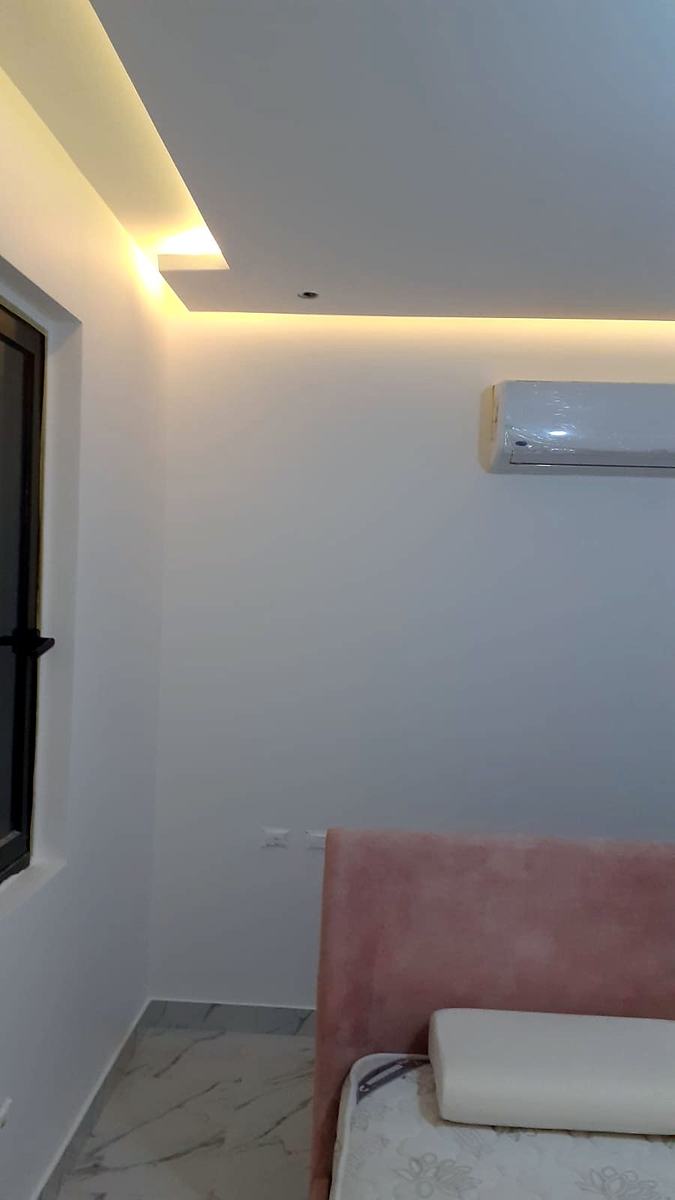
- Ceilings: white or lighter than the walls, in a matt paint that hides flaws under concealed lighting.
Test the colour on your wall before you buy
A small colour card or a photo on a phone is not enough, because a colour usually looks stronger across a whole wall, and each room’s light changes it:
A large sample
Paint an area of about A3 size (30 × 42 cm) in two coats, or paint a white board you can move, because a coloured wall underneath changes how the sample looks.
On two walls
One facing the window and one in shadow, and compare two or three close shades side by side.
Morning and evening
Look at it in the morning and at night under the room’s lighting, once it is fully dry, because wet paint looks different.
Note the code and batch
Record the product, the colour code, the sheen and the batch number, order each colour’s whole quantity at once, and keep a little for touch-ups.
Preparation decides how the paint looks
The finest colour will not hide a badly prepared wall. The usual order:
Deal with damp first
If the wall has stains, flaking or salts, find and fix the cause and let the wall dry, as the damp walls guide explains; then scrape off loose paint and fill the cracks.
A sealer coat
On new plaster and repaired patches: alkali-resistant on new plaster, and a bonding primer on glossy or oil-painted surfaces.
Putty and sanding
Two or three knife coats depending on how flat the wall is, sanded between coats and checked with a lamp held at a low angle, then a primer over the putty as the paint system requires.
Two finish coats
Two coats is normal; a third is usually needed for deep colours or when going from dark to light, and the time between coats follows the product’s instructions.
The higher the sheen, the better the wall must be: matt hides small ripples, while gloss shows every knife mark and every patch in raking light.
To work out the quantity: litres = area to paint × number of coats ÷ the coverage per litre printed on the can, and the paint calculator on our site works out the area and the litres for one room or a whole flat.
Humidity and sea air: painting in Alexandria and coastal cities
Itmam is based in Alexandria, where the air is humid most of the year and carries salt near the sea, and that changes the choice of paint in every coastal city:
- Bathrooms and kitchens: mould-resistant paint with an extractor fan and daily airing, because anti-mould additives do not replace ventilation.
- Do not paint over active damp: a sealing paint traps the water, so it spreads through the wall or the paint blisters.
- Sea-facing walls: repair façade cracks and window sills first, because they let in moisture and salts, and inside use a paint that lets the wall breathe.
- Drying is slower in humid weather, so do not cut the time between coats, and keep wardrobes a little away from cold outer walls so mould does not form behind them.
- Façades are a different system: an alkali-resistant primer and a flexible exterior topcoat that copes with sun and salt, and changing their colour is a matter for the building management or the compound.
Itmam and painting
Itmam (إتمام للتشطيبات والتوريدات) is based in Alexandria: the head office is in El Ibrahimya and the marble and granite showroom in El Deresa, Moharram Bey. Itmam was founded in 2016, with 20+ years in the trade, and we work in Alexandria, the North Coast and New Cairo, and elsewhere in Egypt when the job suits.
We paint to a system: wall preparation, then putty, then primer, then the finish coats, with Venetian plaster, micro-cement and painted murals for anyone who wants a feature wall. We visit, measure and write the painting into the quotation line by line before work starts: walls and ceilings in m², the number of coats, the putty and the sealer.
On a finishing contract you pay each supplier directly at their price, and the tax invoice is in your name; our management fee for supervision and execution is agreed in writing before we begin, and we add nothing to the price of materials. Supply-only of paint, sealer and putty is available. Call or WhatsApp us on +20 106 926 2572, Saturday to Thursday, 09:00 to 18:00.
Departments for this
Painting & Decorative Finishes
Paint is the finish everybody judges and the trade everybody rushes.
See more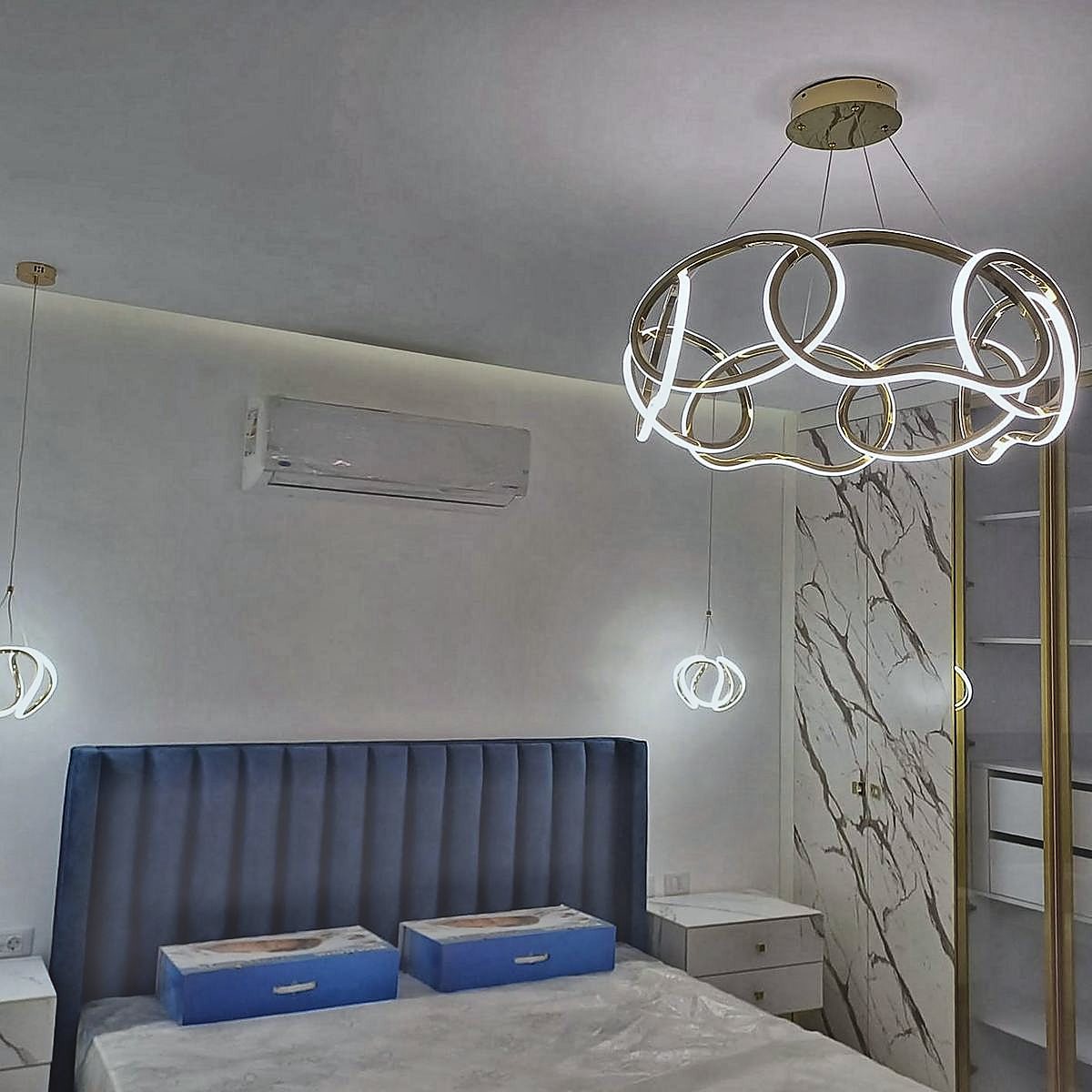
Paint & Coatings
Paint, primer and waterproofing go out by the tin, the pail and the drum to anybody who wants to roll it on themselves or hand it to their own decorator.
See moreGypsum & Decorative Ceilings
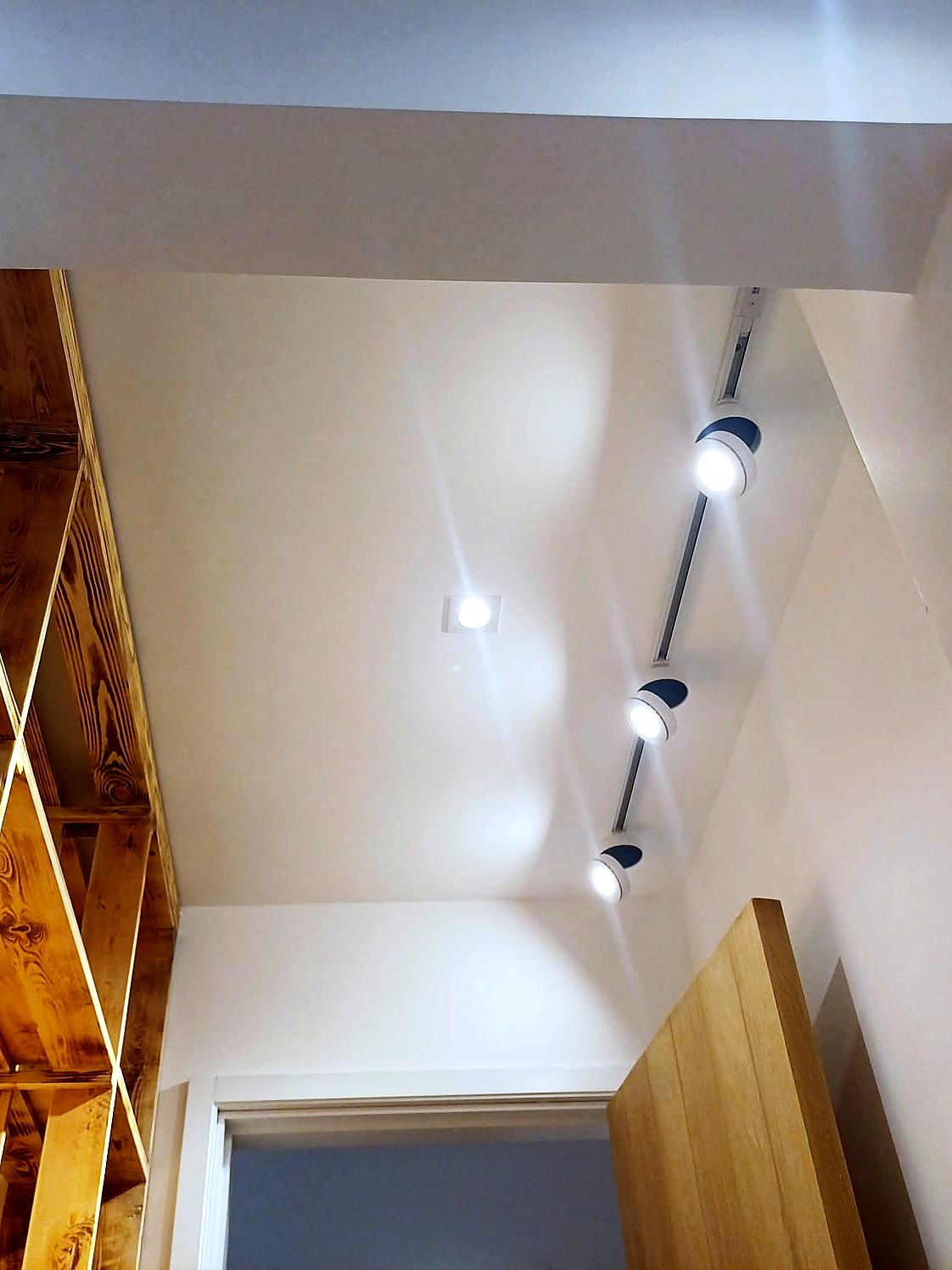
The ceiling is where lighting, air conditioning and joinery all arrive at the same plane, which is why it is the first thing an eye catches when something is out.
See moreWork we have done
Photo gallery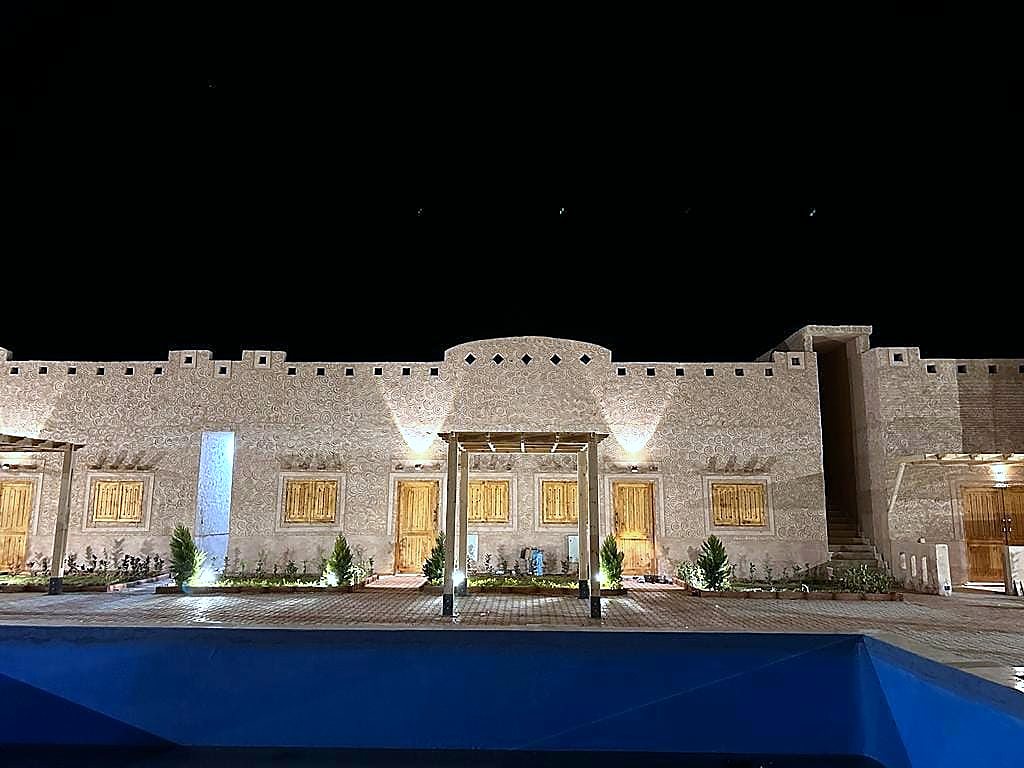
El Moghra
Turnkey build & finish · Desert lodge · Completed
View project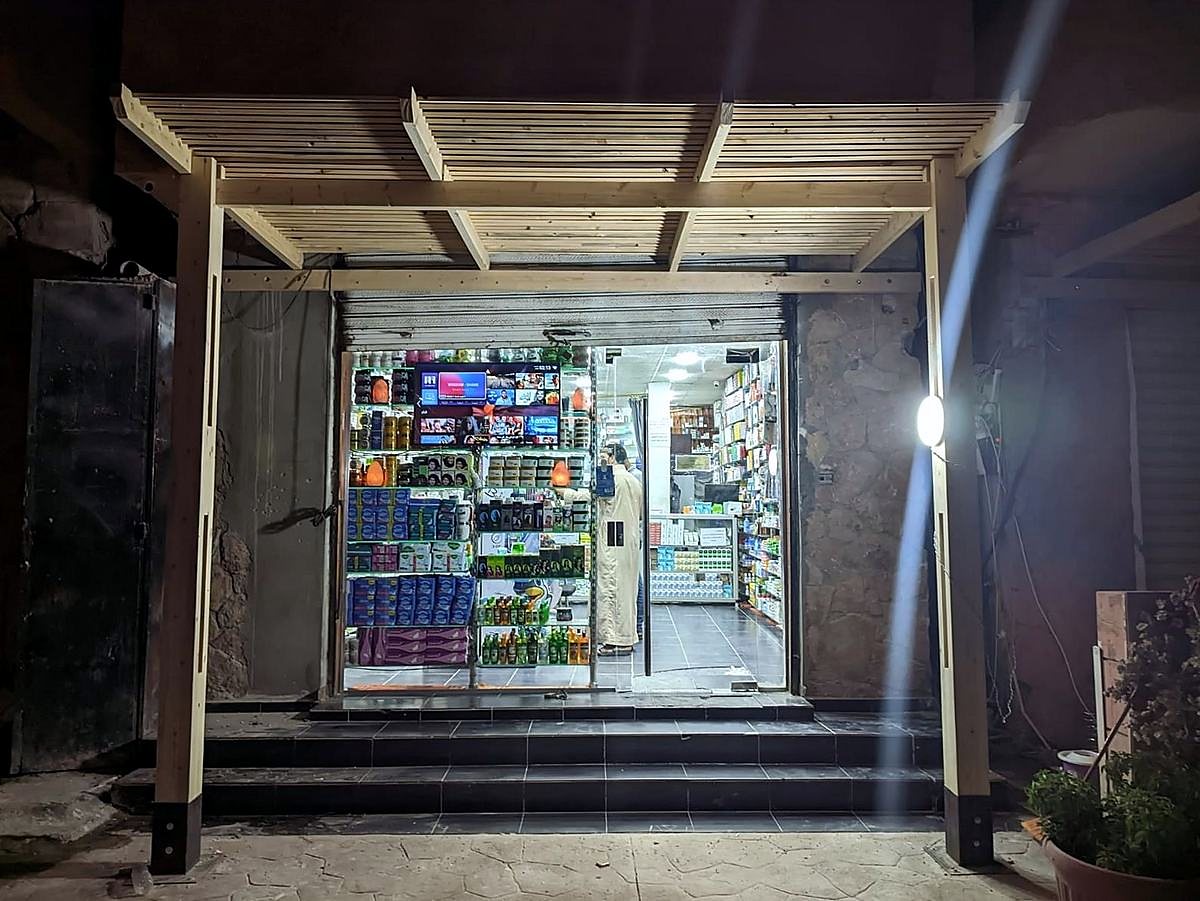
Market Street, Siwa
Façades, pergolas & shopfronts · A street of shops · Completed
View project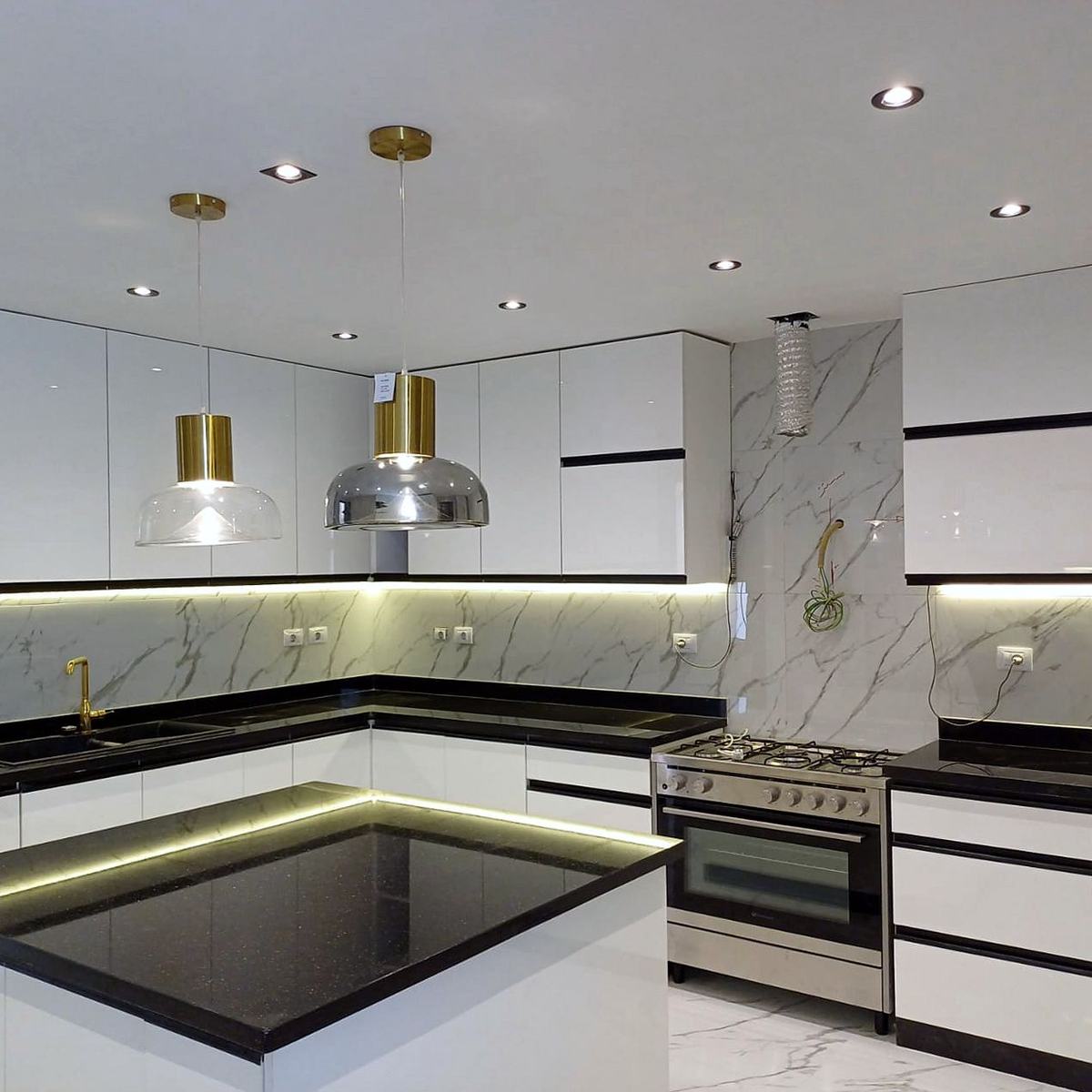
Sea-view Villa — Marble & Brass
Turnkey finishing · Villa · In progress
View projectQuestions people ask
Which wall paint colours are popular in 2026?
Light grey or beige: how do I choose?
Matt or gloss emulsion?
What do ‘satin’ and ‘velvet’ paint mean?
What colours suit a modern bedroom?
What paint should I use on a stairwell?
Read next
How much paint do you need? Work out the litres
There is no fixed amount of paint per metre: it depends on the wall and ceiling area, the number of coats and the coverage…
See more Guides · repairsDamp walls: find the cause first
Painting over damp hides it for a season, and then it comes back, usually worse. The fix depends on where the water comes from…
See more Decoration · by styleModern interiors
Modern is not just taking the ornament away. It is clean lines, few materials and details built precisely, because simplicity…
See more Decoration · by styleNeo-classic interiors
Neo-classic takes the proportion, symmetry and cornices of classic design and leaves out the clutter and most of the gold. The…
See more Areas · AlexandriaInterior decoration in Alexandria: design and build
Decoration in Alexandria happens in older flats with details worth keeping and in newer flats close to the sea, and all of them…
See more Areas · AlexandriaBuilding materials supply in Alexandria, from cement to tiles
Building materials supply in Alexandria goes well when you know exactly what to order, what to check the moment it arrives, and…
See more Guides · Newly-weds’ flatsFinishing a newly-weds’ flat: what comes first and what can wait
Finishing a newly-weds’ flat in 2026 begins with the things you will never see: the electrics, plumbing, waterproofing and…
See more