Areas · North Coast
Furnishing a chalet on the North Coast
Furnishing a chalet is not just buying furniture: salt, humidity, sand and the long closed months ruin ordinary furniture fast. Here is how to fit out a chalet by the sea with pieces that last, in an order that leaves it ready to open and live in.
What furnishing a chalet covers
Furnishing a chalet means making it ready to live in: every piece in place, the kitchen working, the beds made up and the terrace ready to sit on. If the chalet is not finished yet, finishing comes first, and our chalet finishing page covers it; this page is about what comes after.
- Fitted joinery: the kitchen, wardrobes, bathroom vanities, the TV unit, shelves and built-in storage.
- Furniture: beds, sofas and living-room seating, a dining table and chairs, and bedside tables and a dresser if there is room.
- Soft furnishings: curtains, mattresses, bedding, rugs and cushions.
- Lighting: ceiling lights, spotlights, wall lights and outdoor lighting.
- Appliances: fridge, cooker or hob, extractor, washing machine and AC units, with their sizes fixed before the kitchen is made.
- Terrace and garden: outdoor seating, shade, a place to grill, and storage for beach chairs and umbrellas.
Plan it around how the chalet is used
The first decision is who will use the chalet and how. A family chalet is not a rental chalet, and the answer decides the materials, the number of sleeping places and how hard-wearing everything must be.
| Use | Priority | Good choices |
|---|---|---|
| A family that spends the whole summer | Comfort and plenty of storage | Wardrobes to the ceiling, beds with drawers, a full kitchen, comfortable terrace seating |
| Family and weekend guests | Extra sleeping places | A sofa bed, bunk beds in the children's room, spare mattresses stored under the beds |
| Seasonal rental | Durability and easy replacement | Removable, washable covers, matching pieces that are easy to replace, few breakable accessories |
| A small chalet | Every centimetre working | Multi-use pieces, an extending dining table, built-in joinery instead of loose furniture |
Write down how many people stay on the busiest days of the season, how many sleeping places you need, and what you want to leave in the chalet all year. That list is the basis of the quotation.
Furniture that takes salt air and humidity
By the sea, furniture fails at its edges, its metal parts and its fabrics before anything else, so the specification matters more than the look. The full detail on materials is in our guide to coastal materials.
- Carcasses: moisture-resistant boards with every edge sealed, including the back and the holes for pipes and cables; a raw edge is where moisture gets in and the board swells.
- Solid wood: fine for frames and beds if every face is sealed, with a check every season.
- Hinges, runners and handles: 316 stainless or metal coated for marine exposure, because one rusting screw stains the piece around it.
- Upholstery: removable, washable covers, foam of a suitable density, and fabrics that do not hold damp and smells.
- Steel and aluminium: steel hot-dip galvanised and then painted, or aluminium with a seaside-class powder coating.
- A gap at the wall: leave a small gap behind wardrobes and pieces on outside walls so air can move and mould does not form.
Kitchen, wardrobes and beds
Made-to-measure joinery is what lets a small chalet hold everything, and it is made after the floors and walls are finished and measured on site.
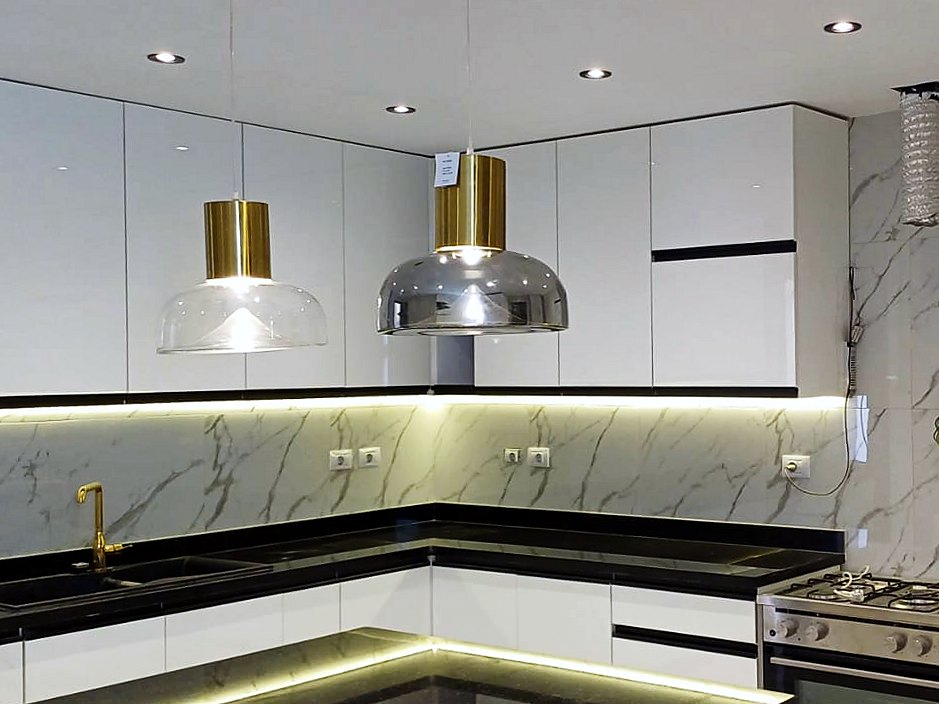
- Kitchen: moisture-resistant carcasses, fronts that take humidity and cleaning such as HPL, a granite top where the sun reaches it, and quartz only away from direct sun. Choose the appliances and their models before anything is made.
- Wardrobes: up to the ceiling, with the high shelves for seasonal things, and vented or louvred doors in damp spots so the contents can breathe.
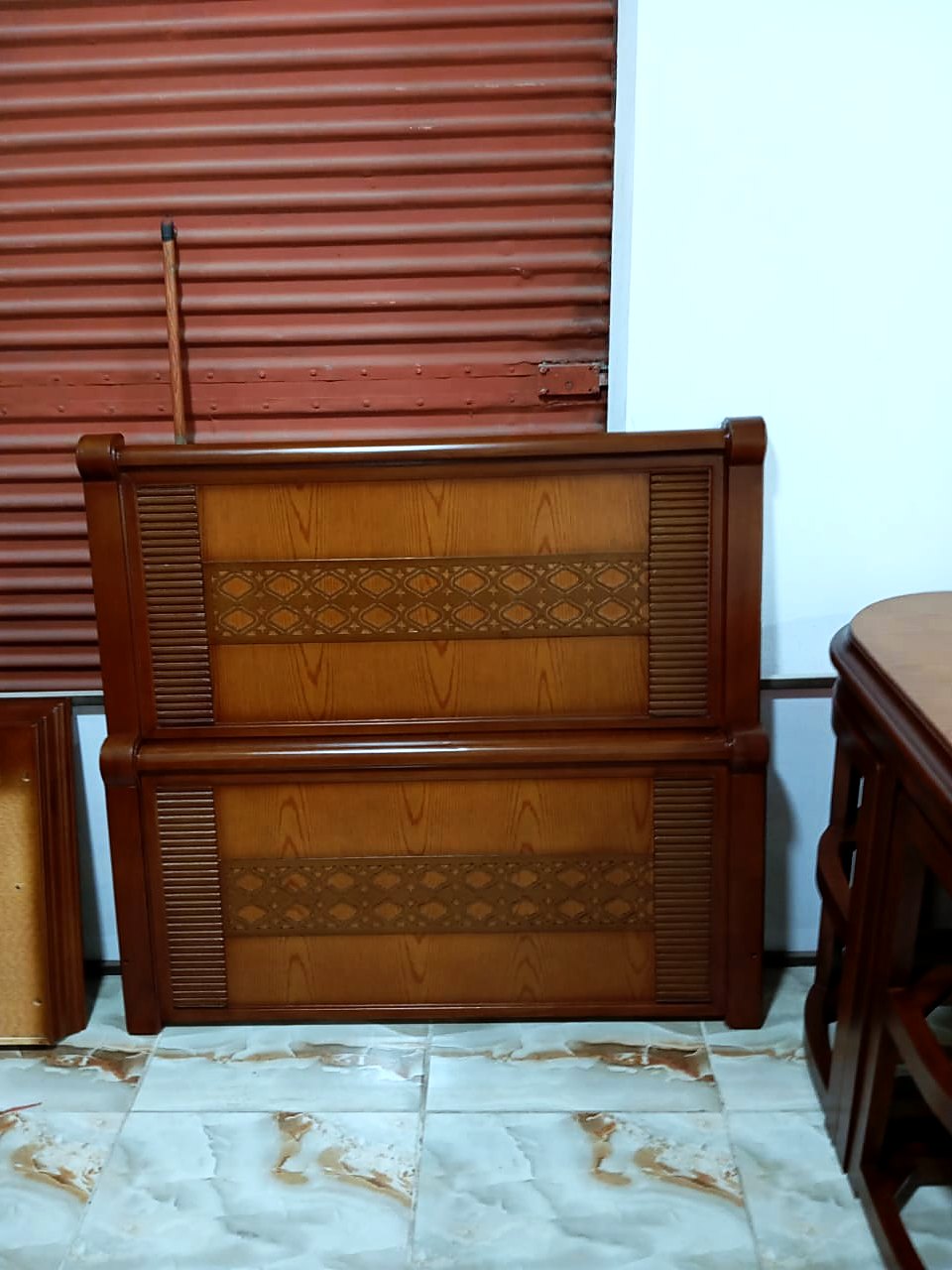
- Beds: with drawers or a lifting base to store spare mattresses and bedding, and bunk beds for children's rooms.
- Bathroom vanities: a moisture-resistant carcass raised off the floor, with a stone top.
- The entrance: a place for flip-flops, towels and beach gear, so the sand stays out of the rooms.
Curtains, lighting and seaside décor
Good chalet décor is calm and easy to clean: light colours, natural textures, and a few pieces that can take sun and sand.
- Curtains: a light layer for the day and a blackout layer for bedrooms, in washable fabrics that do not fade fast in the sun, on aluminium or rust-proof tracks. Shutters outside protect the curtains themselves from the sun.
- Rugs: thin, flat-woven rugs that wash and shake out sand, rather than deep pile that traps sand and damp.
- Lighting: LED fittings, with general light and softer evening light on separate circuits, and fittings suited to humidity in the bathrooms.
- Outdoor lighting: fittings rated for outdoor use and sealed against water and dust, on a circuit with earth-leakage protection.
- Colours: white, beige, sand tones and soft blues are easy on the eye by the sea and hide sand; very dark colours outside get hot in the sun.
- Accessories: fewer and sturdier, because every extra piece is one more thing to clean of salt each season.
The terrace and outdoor seating
The terrace is where the family spends most of the day, and its furniture faces sun and salt directly, so choose the material for that.
| Material | By the sea | What it needs |
|---|---|---|
| Aluminium with a seaside powder coating | Does not rust; light and easy to move | A fresh-water rinse from time to time, and stainless screws |
| Hot-dip galvanised and painted steel | Strong and heavy, stays put in the wind | Any scratch or weld treated at once, before rust starts |
| Oiled hardwood | A warm, natural look | Regular oiling, or it greys and cracks |
| Synthetic rattan on an aluminium frame | Copes with humidity better than natural rattan | A sun-resistant grade, so it does not turn brittle |
| Outdoor cushions and fabrics | Fabrics dyed in the fibre resist fading better than printed ones | Outdoor foam that drains water, and dry storage for the cushions in winter |
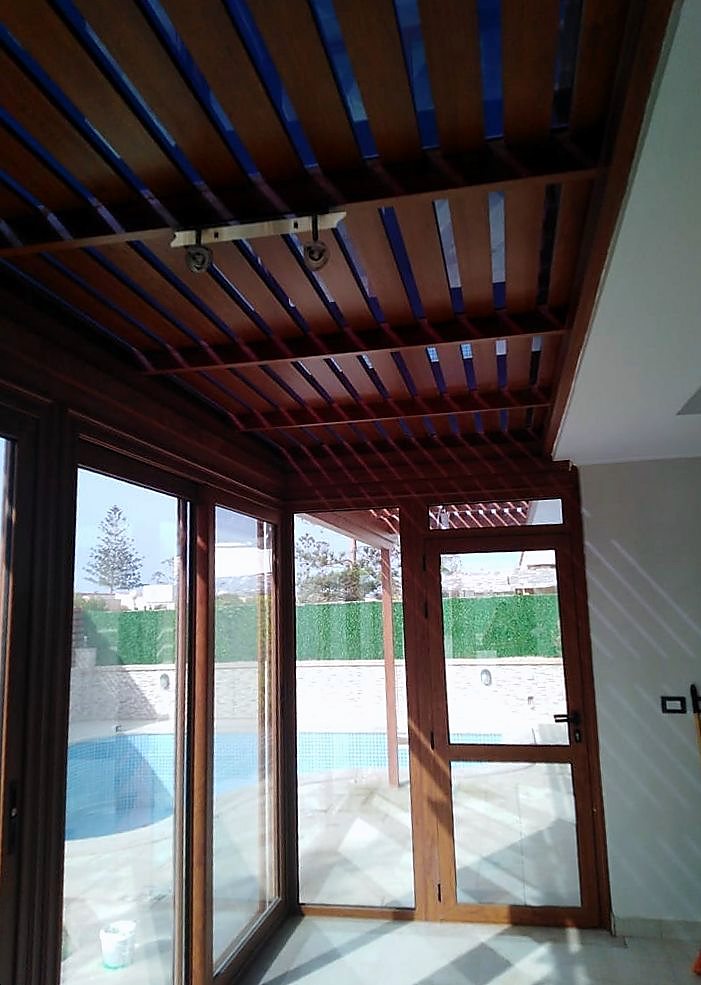
Add proper shade such as a pergola or an umbrella, a closed place to store cushions and chairs, and a water point nearby for rinsing. Any fixed change to the terrace or façade needs the village or compound management's approval first.
The schedule: work off-season, receive it ready
The best time to furnish a chalet is the quiet period after summer, when there is time for decisions, making and installing. Each North Coast village or compound sets its own working hours and entry passes, so ask the management for them in writing before you fix delivery and installation dates.
Final measurements
Once the floors and walls are finished, every room, opening, entrance and stair is measured, because a piece bigger than the door will not go in.
The list and the quotation
A list of every piece with its size and material, and a written quotation that shows what is made in the workshop and what comes from suppliers.
Samples and approval
Materials, colours and fabrics approved on real samples, not on photos.
Making
The joinery and furniture are made in the workshop, while the appliances, mattresses and soft furnishings are ordered from their suppliers.
Delivery and installation
Everything goes in during the hours the management allows; the joinery is installed, doors and drawers adjusted, and the appliances connected and tested.
Ready to live in
Curtains hung, beds made up, and the chalet cleaned of building dust so it is ready to use.
The handover list
Every piece checked against the quotation, every door, drawer, light circuit and appliance tried, and remarks written down and closed.
If the chalet will be shut after furnishing until the season, cover the furniture with breathable fabric covers rather than airtight plastic that traps damp, store the terrace cushions somewhere dry, and leave wardrobe doors ajar. The full closing and opening checklist is in our guide to coastal materials.
How Itmam furnishes your chalet
We work along the North Coast. Kitchens, wardrobes, doors, vanities, metalwork, stone tops and made-to-measure furniture are made in our own workshops, to our coastal specification: seaside-class powder coating, 316 stainless fixings, hot-dip galvanised steel, marine-grade hardware and moisture-resistant boards. We also supply sofas and living-room seating, upholstery and curtains.
What we do not make, such as appliances and mattresses, you buy from its supplier directly at their price, and the quotation shows every piece: what we make and what comes from suppliers. We visit and measure the chalet and give you a written, itemised quotation before any work starts; on the contract you pay each supplier directly, the tax invoice is in your name, our management fee is agreed in writing before we begin, and we add nothing to the price of materials.
If the chalet still needs finishing, we finish and furnish it with the same team; our chalet finishing page has the detail. Itmam was founded in 2016, with 20+ years in the trade.
Departments for this
Furniture Manufacturing
We run our own furniture workshop, which means the bed, the wardrobes, the desk and the internal doors of the same villa are cut, jointed, sprayed and delivered by one team on one programme.
See more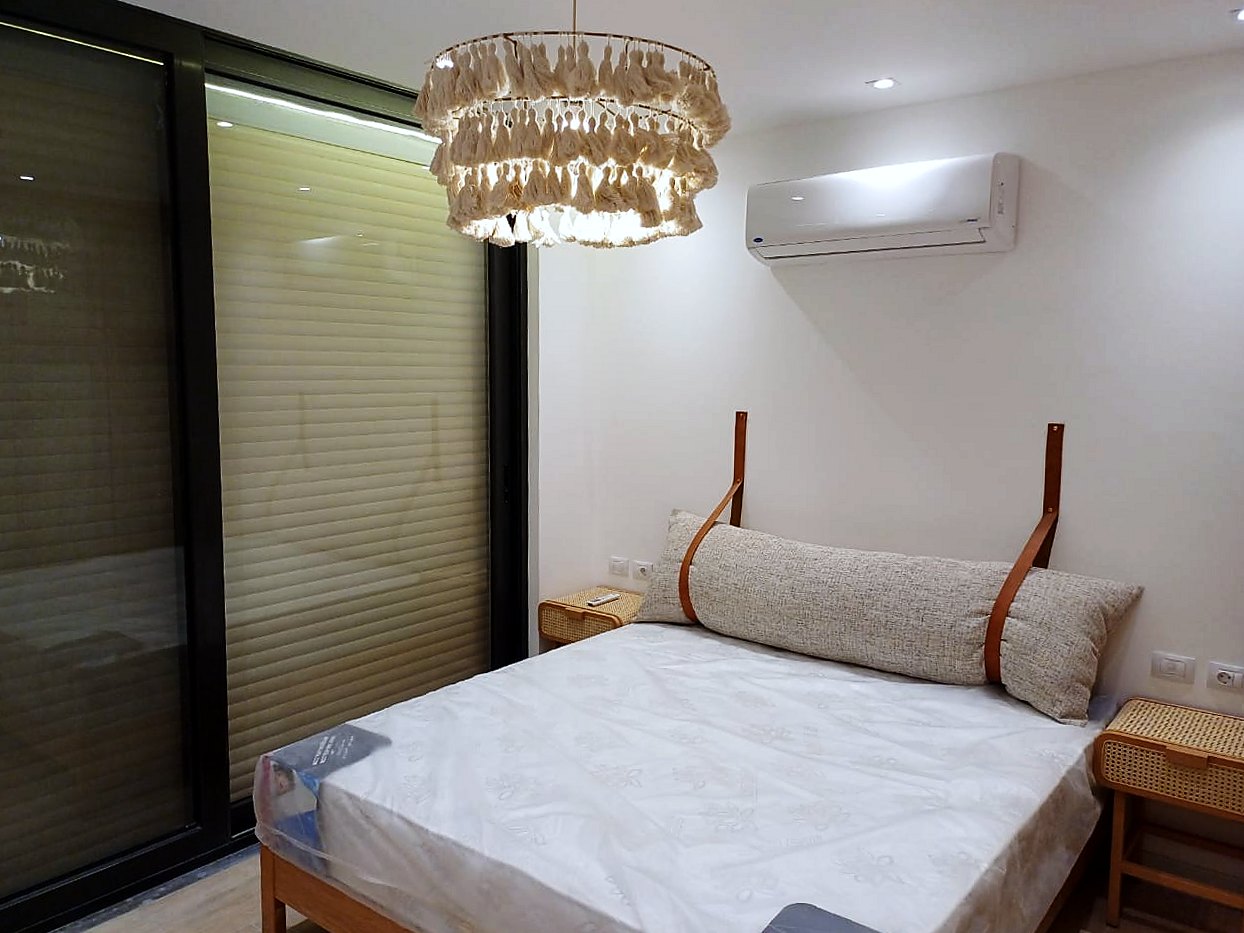
Bedrooms & Furniture
Fitted furniture is measured in millimetres and judged in reveals.
See moreKitchens
A kitchen is the one room where bad manufacturing shows up daily — a door that drops, a drawer that catches, a worktop joint over the sink.
See more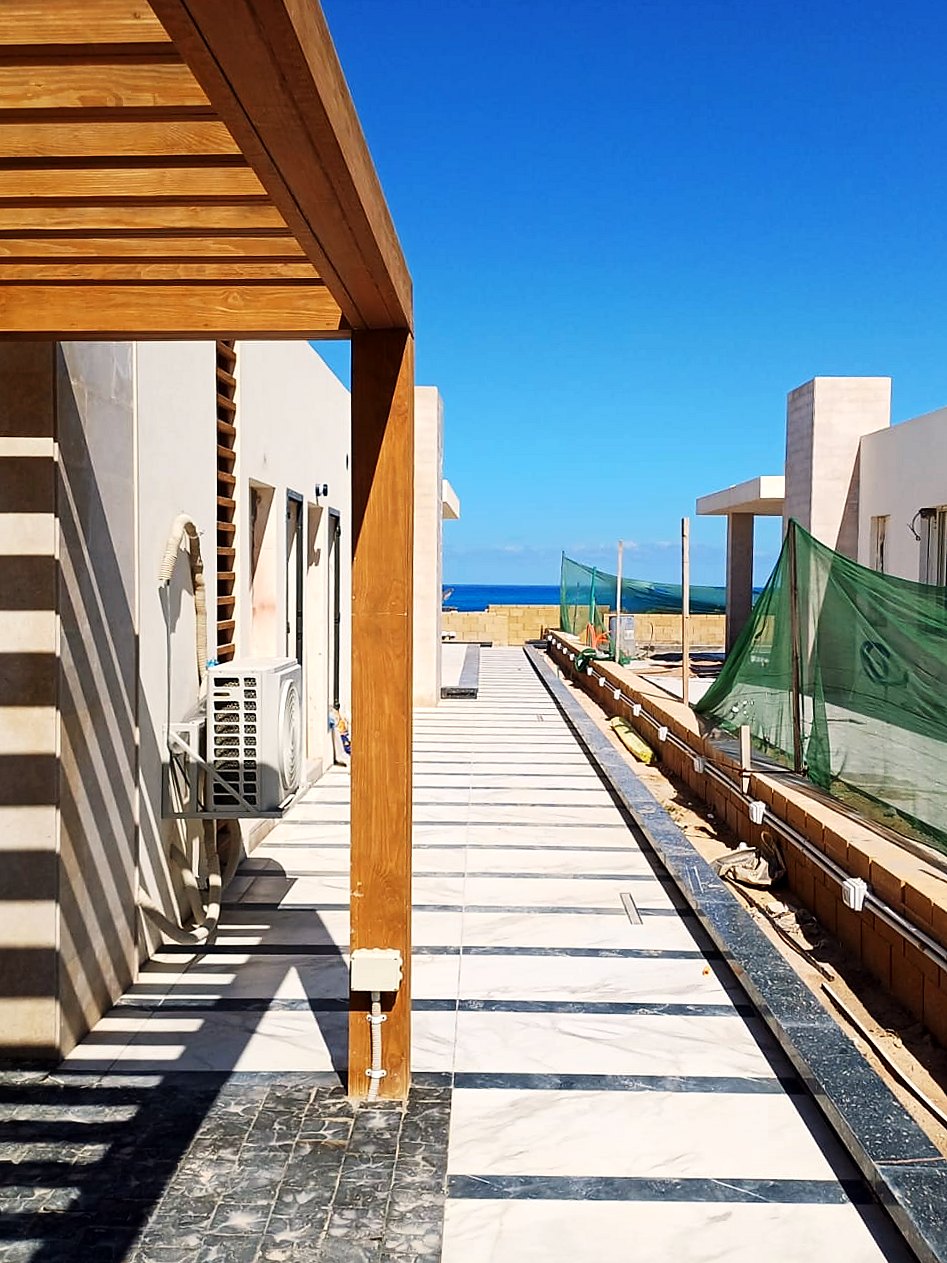
Outdoor & Terraces
In a North Coast chalet the terrace is the house.
See more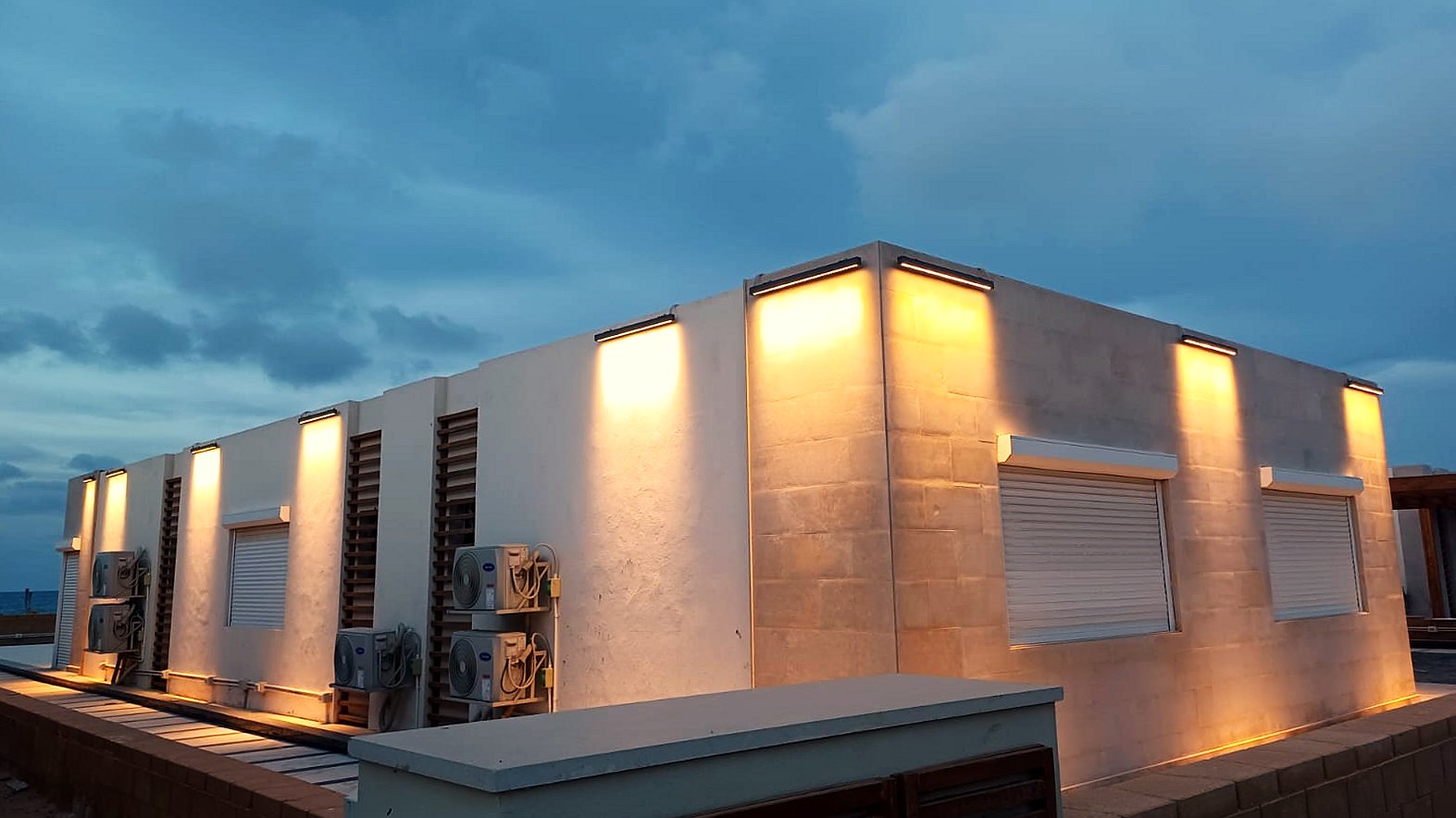
Shutters & Sun Control
In Sahel the sun is the main structural load on a room.
See more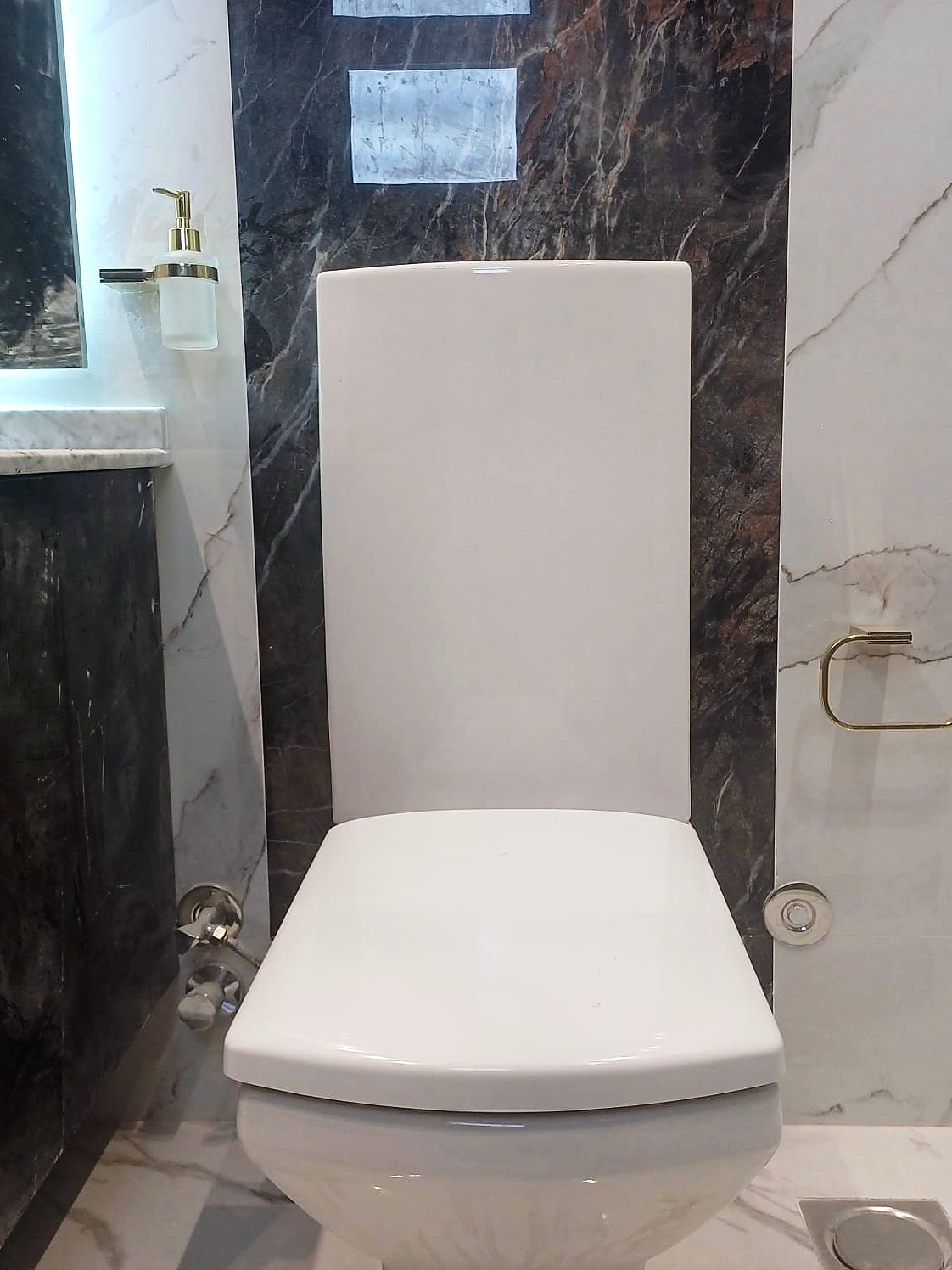
Bathrooms
Bathrooms are won and lost behind the tiles.
See moreWork we have done
Photo gallery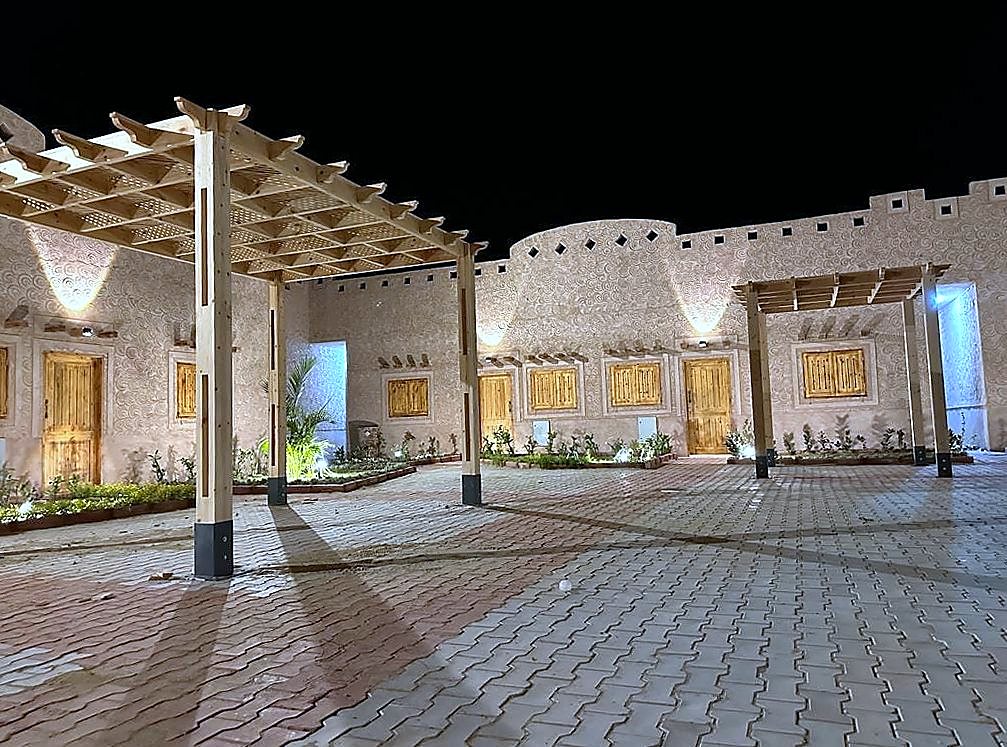
El Moghra
Turnkey build & finish · Desert lodge · Completed
View project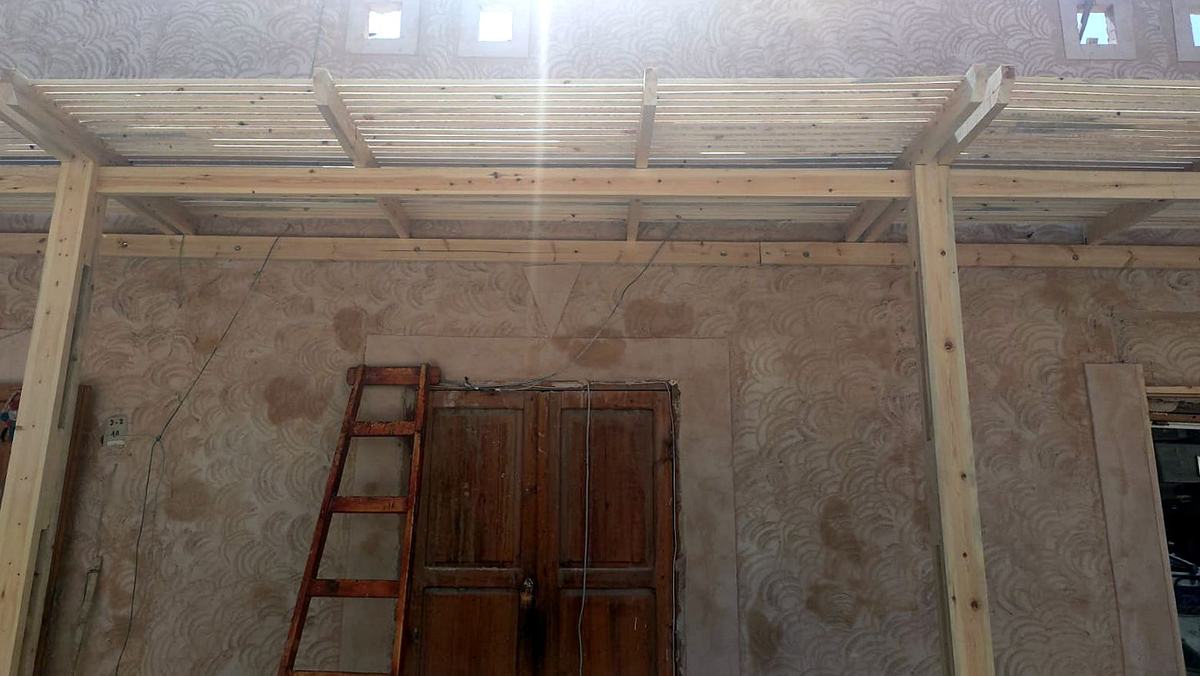
Market Street, Siwa
Façades, pergolas & shopfronts · A street of shops · Completed
View project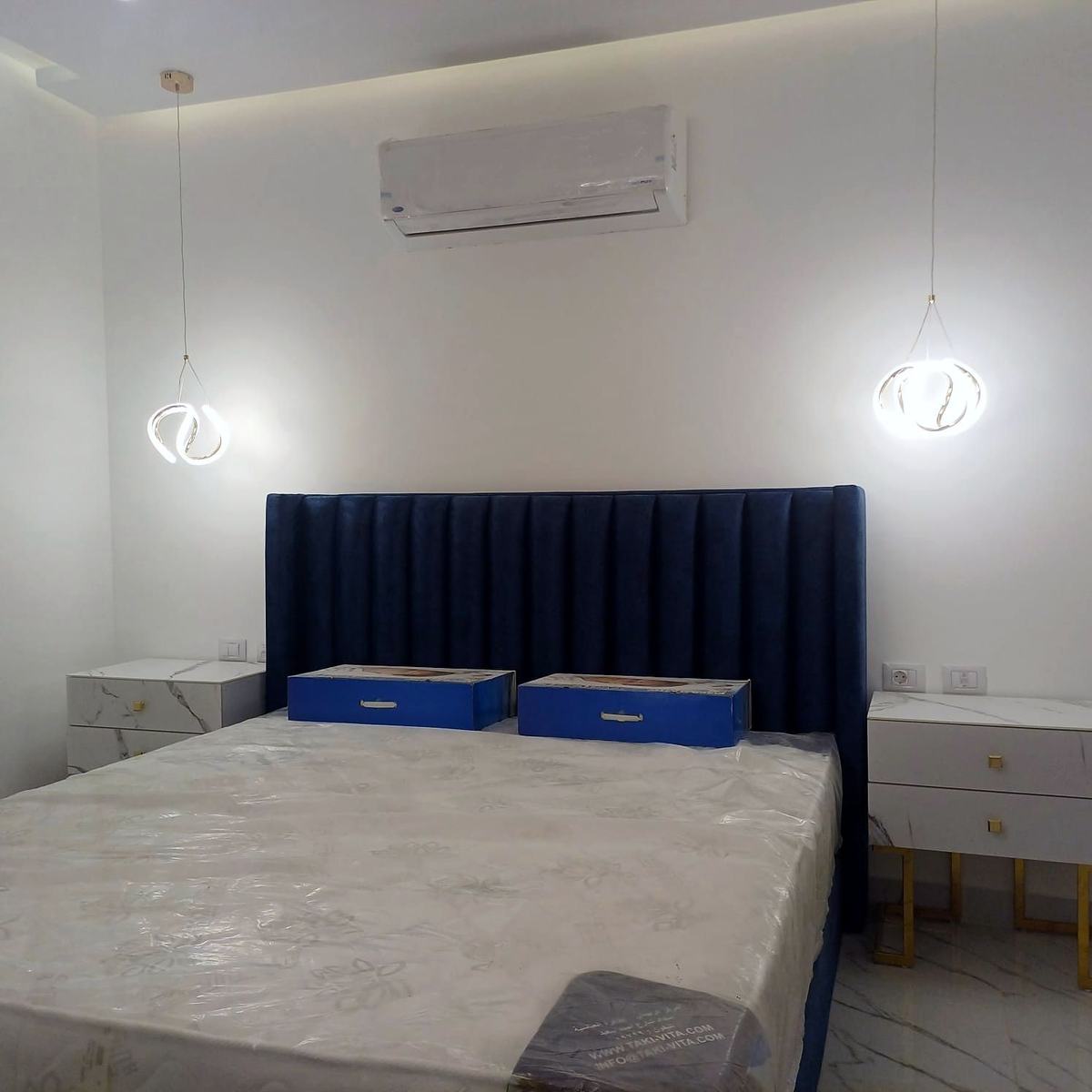
Sea-view Villa — Marble & Brass
Turnkey finishing · Villa · In progress
View projectQuestions people ask
How much does it cost to furnish a chalet?
When should I start furnishing to be ready for summer?
What furniture materials are best by the sea?
How do I furnish a small chalet?
Do you furnish the whole chalet?
How do I protect the furniture while the chalet is closed in winter?
Read next
Chalet finishing by the sea
A chalet is lived in for a few weeks a year and shut for the rest, next to a sea that brings salt, damp and sand. Finishing it…
See more Guides · MaterialsFinishing by the sea: what lasts and what fails
A finish that lasts for years in Cairo can fail within a few seasons on the North Coast. Salt, humidity, sun, sand and long…
See more AreasNorth Coast (Sahel)
See more Guides · materialsKitchen materials compared
A kitchen is a box, a door, a worktop and the hardware that moves them, and each needs its own decision. Here is what HPL…
See more Guides