
Finishing · elements
Roof and bathroom waterproofing
Waterproofing is a layer nobody sees once the finishing is done, which is why its mistakes show late: a stain on the neighbour’s ceiling, peeling paint, or tiles that have to come up. Here is why leaks happen, the types of waterproofing, and the right order before the tiles.
Why leaks happen
Most leaks do not come through the middle of the waterproofing layer but through the details: corners, drains and pipes, cracks, and places where water stands.
- Floor-to-wall corners: if the waterproofing is not turned up the wall far enough, water runs under the tiles into the wall and then down.
- Around drains and pipes coming through the floor: the weakest point of any system, needing reinforcement pieces and a carefully welded or bonded joint.
- Wrong falls: water that stands on a roof eventually finds any crack.
- Cracks in the concrete and plaster: if they are not treated before waterproofing, they move and split a rigid layer.
- Damage after waterproofing: an unprotected layer punctured by a nail or a tool while the tiles or a pergola go in.
- The pipes themselves: sometimes the stain on a ceiling is not the waterproofing at all, but a leaking pipe or joint inside the wall or floor.
Types of waterproofing: what’s the difference?
No single system is best everywhere; the choice depends on the place, whether it will be tiled over or left exposed to the sun, and whether the surface moves or cracks. In general terms, these are the common systems:
| System | Suits | Watch for |
|---|---|---|
| Torch-applied bitumen membranes | Concrete roofs, under tiles, and buried structure. | The laps between rolls and how they are welded, and turning them up the parapets; they usually need a protection layer against sun and knocks. |
| Cementitious coatings, rigid or flexible, brushed on | Bathrooms, kitchens, water tanks and basements. | Rigid coatings cannot take crack movement, so flexible ones suit where there is slight movement; they go on a clean, damp surface in at least two coats. |
| Liquid-applied membranes that cure to a seamless layer | Roofs, terraces and complicated details around pipes. | The thickness must be even everywhere, and some types can be left exposed to the sun while others must be covered. |
| Bituminous coatings | Foundations and buried walls below ground. | Most are not made to stay exposed to the sun on a roof. |
More important than the product name are three things: preparing the surface before it, the details at corners and drains, and the flood test after it.
Roof waterproofing: water and heat
Proper roof waterproofing is a set of layers in a fixed order, and each layer is checked before the next one covers it.
Inspect and clean
Remove old failed layers and debris, inspect the concrete slab and treat its cracks.
Falls
A layer laid to falls towards the drains, so water does not stand anywhere on the roof.
Prepare corners and drains
A fillet or chamfer in the corner between the roof and the parapet, so the waterproofing does not crack over a sharp angle, and the drains and rainwater pipes prepared.
Waterproofing layer
One continuous layer over the whole roof, turned up the parapets and protected at the top, and sealed around every pipe and base.
Flood test
The drains are blocked and the roof is flooded for 24 to 48 hours, and the top-floor ceiling is checked from below.
Insulation and protection
Insulation boards and a protection layer, then the final finish. The order of insulation and waterproofing differs between systems; what matters is that the waterproofing is never left open to knocks or sun unless it is made for that.
Heat insulation cuts the heat reaching the top floor in summer, and a light-coloured roof finish helps too. The roof finish itself — floors and pergolas — is covered on the roof finishing page.
Bathrooms and kitchens
Bathroom waterproofing covers the whole floor and turns up the walls, not only the shower area, because water travels anywhere under tiles.
- Waterproofing across the whole bathroom floor, turned up the walls to a sensible height, and over almost the full wall in the shower zone.
- A reinforcing tape or piece in the corners, around the drain and around every pipe coming through the floor or wall.
- The drain fitted so the waterproofing bonds into it tightly, rather than simply stopping around it.
- Falls under the tiles towards the drain, so water does not stand in a corner of the shower.
- In the kitchen: waterproofing under the sink area, at the washing machine position and around any floor drain.
- Plumbing first fix pressure-tested before waterproofing, because a leaking pipe under sound waterproofing will still soak the wall and floor.
The flood test, before the tiles
A flood test means blocking the drain, filling the bathroom or roof with water a few centimetres deep and leaving it for 24 to 48 hours, then checking the ceiling below and the walls around it for any damp.
Why before the tiles? Because repairing waterproofing while it is exposed means patching a small area; after tiling, it means lifting tiles and bedding, and sometimes the sanitary ware, to reach the leak.
Ask for the test to be recorded with photos and a date, and keep the record with your handover papers. After the test, protect the waterproofing until the tiles go down, so nobody punctures it during the work.
Old buildings and basements
In older buildings, the stain on your ceiling often comes from the bathroom or kitchen of the flat above, or from shared pipes, so find the source before any painting, or the stain will come back. Sometimes the cause is rising damp or condensation, and each needs a different treatment; the damp walls guide covers them.
In basements, the best waterproofing is on the outside, against the soil, while the building goes up. In an existing basement there are cementitious systems applied from the inside that resist water pressure from behind, together with stopping any active leak and draining water away from the building where possible.
When you renovate a bathroom in an old flat, lift the old tiles and expose the pipes, then waterproof and test again, rather than patching over the old.
Itmam and waterproofing
For us, waterproofing is part of bathroom, roof and terrace work, not a separate item rushed through. We visit, try to trace the source of the leak, and give you a written, itemised quotation before work starts, with the system, the areas, the upturns and the flood test as clear items.
The flood test is recorded with photos before any tile goes down. If you are doing the work yourself or with your own contractor, waterproofing materials are available supply-only — cementitious coatings, bitumen membranes and coatings, and liquid-applied systems — and we will tell you which one suits your problem.
On a finishing contract you pay each supplier directly and the tax invoice is in your name; our fee for supervision and execution is agreed in writing before we begin. We work in Alexandria, on the North Coast and in New Cairo, and elsewhere in Egypt when the job suits us.
Departments for this
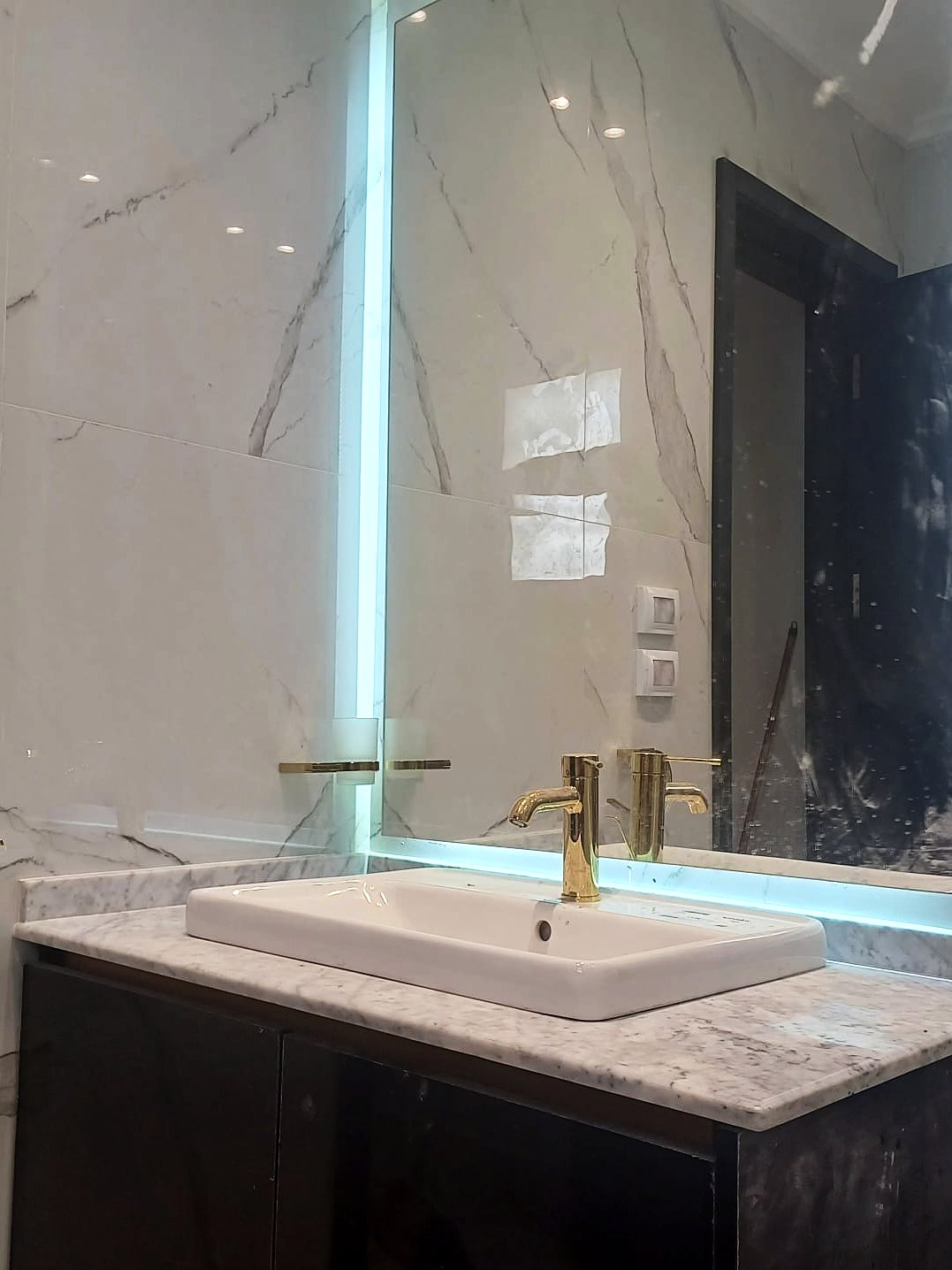
Bathrooms
Bathrooms are won and lost behind the tiles.
See more
Paint & Coatings
Paint, primer and waterproofing go out by the tin, the pail and the drum to anybody who wants to roll it on themselves or hand it to their own decorator.
See moreOutdoor & Terraces
In a North Coast chalet the terrace is the house.
See moreFull Home Renovation
This is the contract most of our clients actually want: one company, one programme, one written quotation.
See moreWork we have done
Photo gallery
El Moghra
Turnkey build & finish · Desert lodge · Completed
View project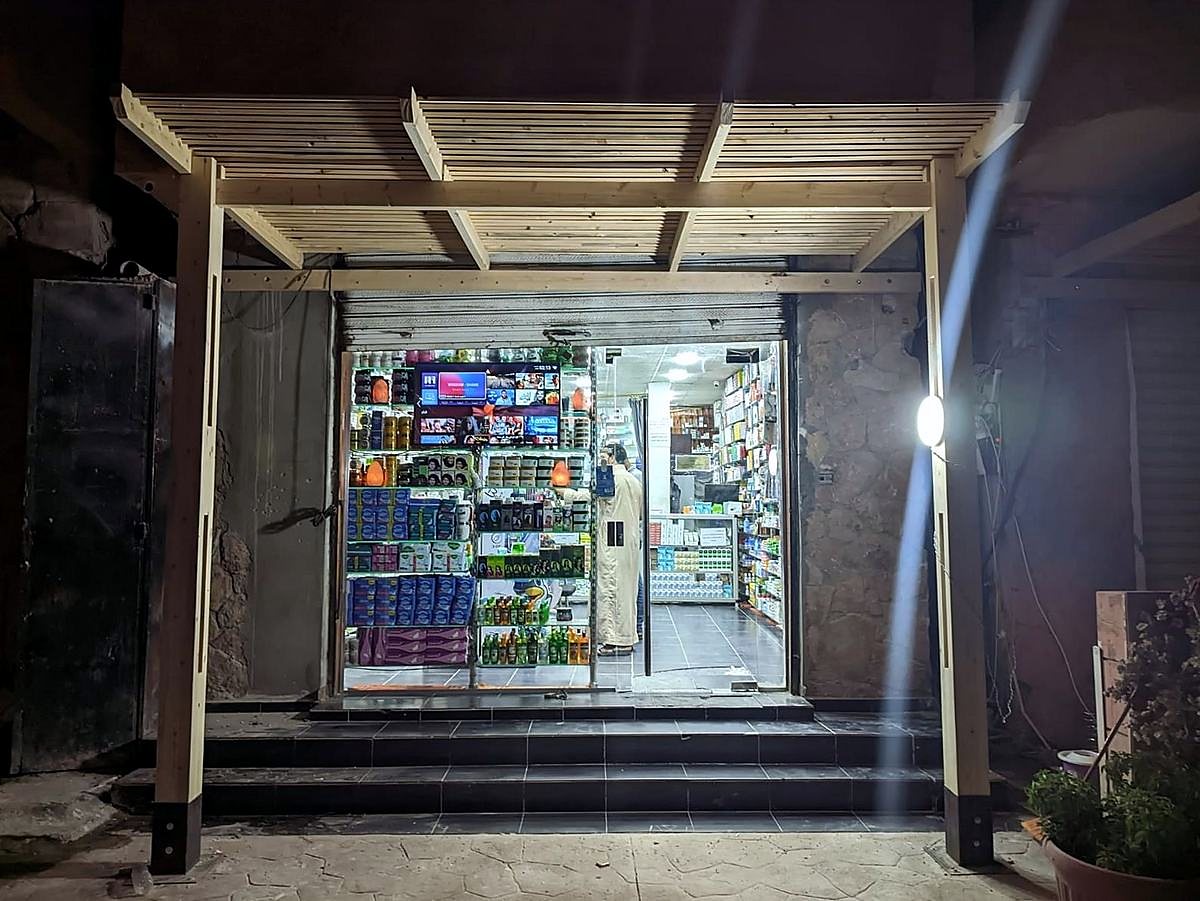
Market Street, Siwa
Façades, pergolas & shopfronts · A street of shops · Completed
View project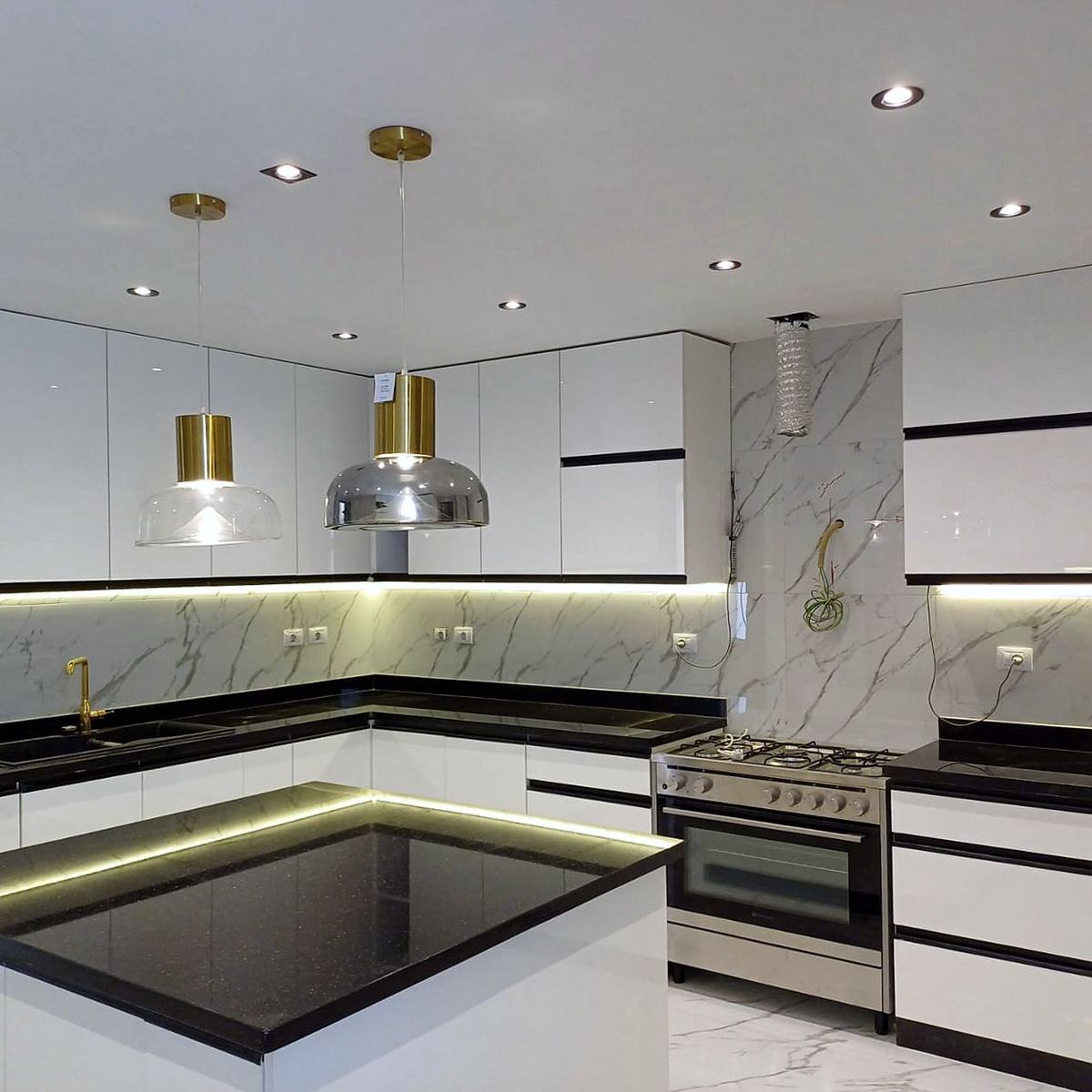
Sea-view Villa — Marble & Brass
Turnkey finishing · Villa · In progress
View projectQuestions people ask
What’s the best way to waterproof a roof?
How long does waterproofing last?
Can a bathroom be waterproofed without lifting the tiles?
What is a flood test?
Does roof insulation cut cooling costs?
What does roof or bathroom waterproofing cost?
Read next
Roof terrace and penthouse finishing
A roof becomes either the best place in the house or the source of problems for everyone below it. The difference is the order…
See more Guides · repairsDamp walls: find the cause first
Painting over damp hides it for a season, and then it comes back, usually worse. The fix depends on where the water comes from…
See more Finishing · by current stateRenovating older apartments
Older apartments in Alexandria have generous rooms, high ceilings and details that are hard to find today, and also wiring…
See more Guides · During the workFinishing a flat, step by step
Finishing has a right order, and most expensive mistakes come from breaking it. Here is the sequence from bare walls to…
See more Guides · HandoverTaking handover: what to check before you sign
Handover is the last moment when defects are easy to fix. Go through the unit room by room, with the power and water on, and…
See more Finishing · by propertyBuilding finishing, from lobby to roof
Finishing a building is not finishing one flat multiplied by the number of floors. There are shared areas every resident uses…
See more Guides · MaterialsFinishing by the sea: what lasts and what fails
A finish that lasts for years in Cairo can fail within a few seasons on the North Coast. Salt, humidity, sun, sand and long…
See more