Decoration · by style
Modern interiors
Modern is not just taking the ornament away. It is clean lines, few materials and details built precisely, because simplicity shows every mistake.
What modern actually means
Modern design rests on one idea: everything in the room is there for a reason, and it appears in its simplest form. Lines are straight, surfaces are flat and smooth, colours are calm, and each room uses only a handful of materials. There are no heavy cornices and no raised ornament; the beauty comes from proportion, from the quality of the material and from light.
Simple is not the same as easy. In a classic room, ornament can hide a wall that is out of true or a joint that wanders. In a modern room every line is on show, and a leaning door frame or a tile that sits proud of its neighbour catches the eye at once.
- Straight lines and flat surfaces, with no raised ornament.
- A few materials repeated through the whole home, rather than a new one in every room.
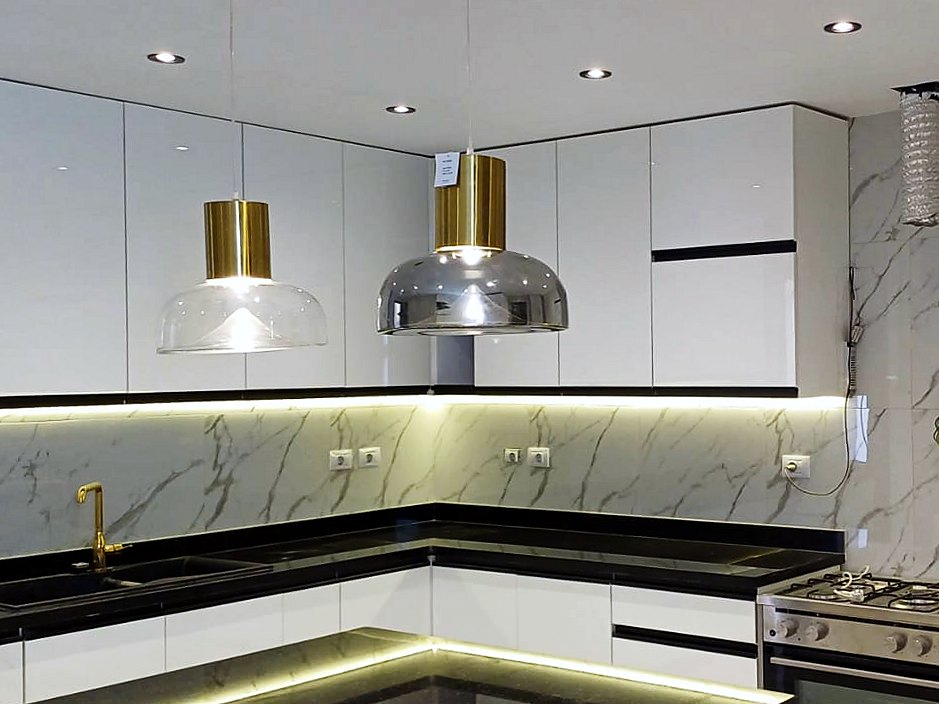
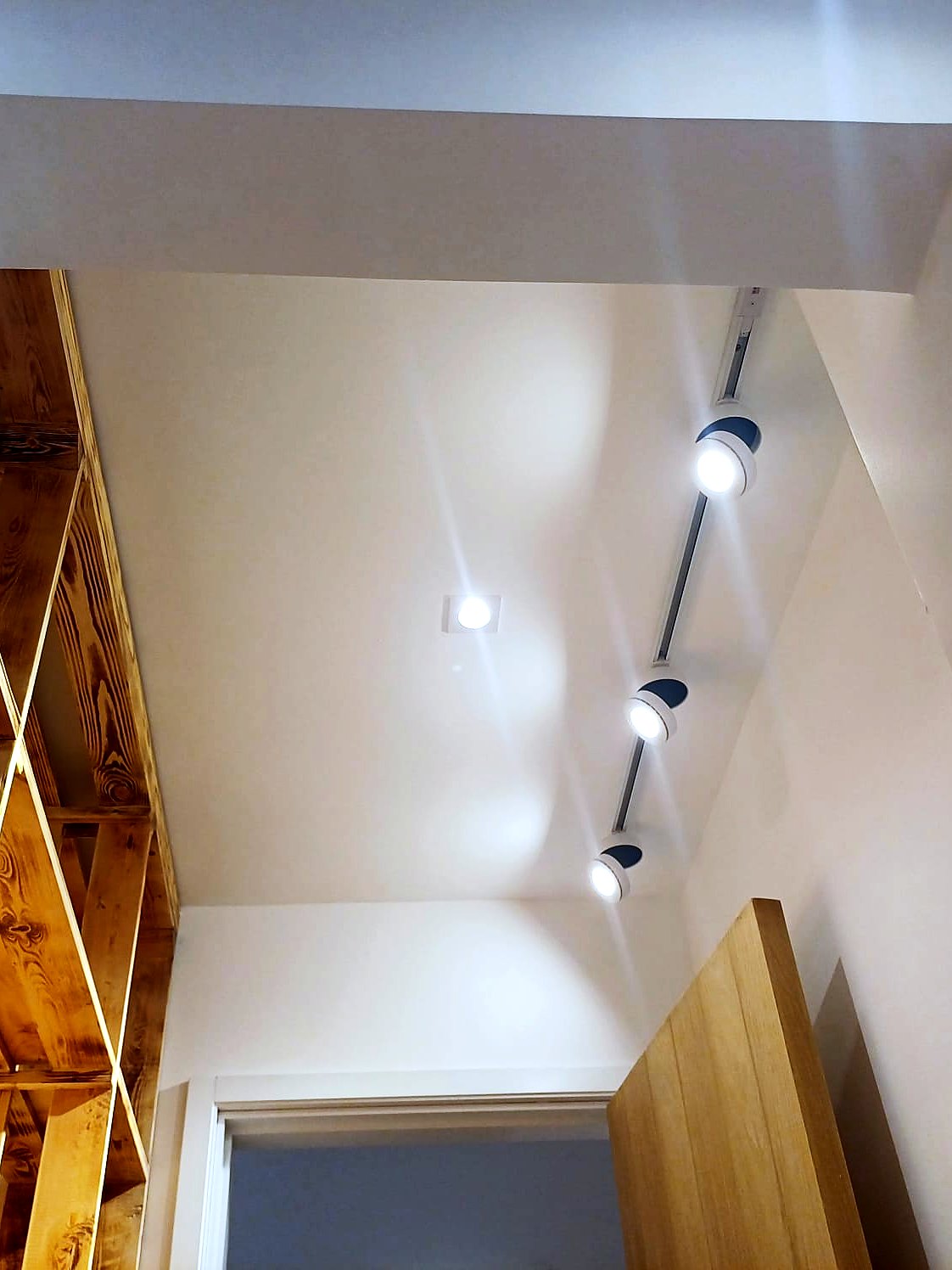
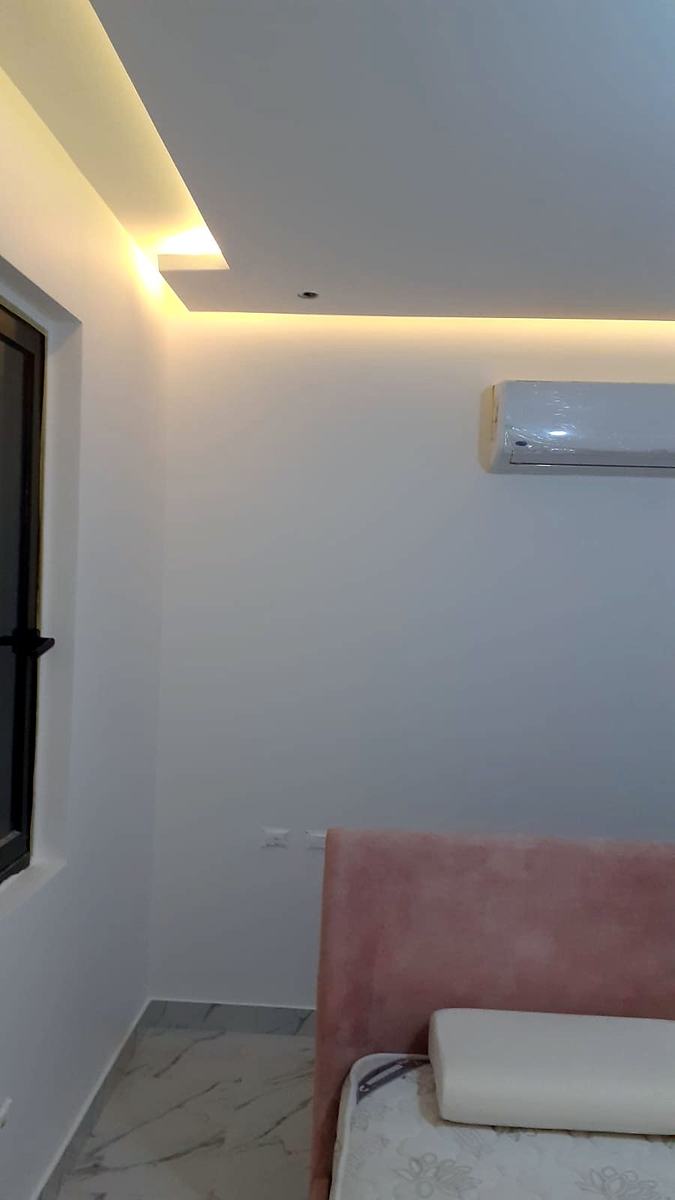
- Concealed light in gypsum board and joinery instead of many chandeliers.
- Handleless joinery, and tall doors that run up to the ceiling.
- Floors in large formats with few joints, in porcelain or stone.
The materials modern is built on
In a modern interior the material is the decoration, so a few are enough, as long as each one is good and well installed. The table sums up the usual choices and what to watch with each.
| Material | Where it works | Watch out for |
|---|---|---|
| Large-format porcelain | Floors, walls, bathrooms | Needs a very flat substrate, the right adhesive and careful laying, or every change in level shows at the joints. |
| Natural marble or granite | Floors, TV walls, kitchen tops, bathrooms | Every slab is different, so choose yours in person. Marble is etched by acids; granite copes better in a kitchen. |
| Quartz | Kitchen worktops, vanity tops | Even in pattern and easy to clean, but do not put a pan straight from the hob onto it. |
| Matt paint and soft effect finishes | Walls and ceilings | Matt shows plaster defects less than gloss, but preparation and putty still decide the result. |
| Microcement | Walls and floors without joints | A thin coat that needs a stable base, proper waterproofing beneath it in wet areas, and an experienced applicator. |
| Wood veneer or painted MDF | Wardrobes, doors, wall panelling | Keep veneer and colour from one batch across the home, so rooms do not drift apart in tone. |
The details that make the difference
The gap between a well-built modern home and an ordinary one lies in small details that nobody notices unless they are wrong. The main ones:
- Shadow gaps: a slim recess between wall and ceiling, or around a gypsum board ceiling, that makes the ceiling look as if it floats and hides small irregularities in the corner.
- Skirting set flush with the wall or recessed into it, or a slim skirting painted the wall colour, instead of a bulky projecting one.
- Handleless wardrobes and kitchens: push-to-open fronts, or a grip channel built into the edge of the door.
- Doors that run to the ceiling or to the gypsum line, with concealed or slim frames, so the door reads as part of the wall.
- Simple gypsum board details: one straight light cove, or a ceiling with two clear levels, rather than many curves.
- Tile and stone layouts drawn before laying, so joints line up with doors and room axes and the small cuts fall where nobody looks.
- Sockets and switches on one line at a fixed height, marked on the wall drawings before the electrical first fix.
Lighting in a modern home
In a modern interior lighting is part of the design, not something added at the end, so it is planned before the gypsum board goes up and before the electrical first fix.
The working rule is to light in layers: calm general light from the ceiling, concealed light in coves, behind joinery or under kitchen wall units, and directed light that picks out a wall, a painting or a feature stone. Keep one colour of light in each room. Mixing cool white and warm white in the same space is one of the quickest ways to spoil a modern interior.
Concealed light has its own conditions: a cove deep enough that the LED strip itself is never seen, a diffuser so the light does not show as dots, and a driver placed where it can be reached for maintenance without breaking the gypsum.
How to keep modern warm
Modern feels cold when everything is white, grey and glossy. The answer is not ornament; it is warmth from material and light.
- Real wood or wood veneer on doors, a TV wall or kitchen fronts.
- Warm light in living rooms and bedrooms, with dimming.
- Stone with quiet veining and a honed finish, rather than polished floors everywhere.
- Texture on one wall: a soft effect paint, timber slats, or stone with a textured finish.
- Fabrics, rugs and upholstery in earthy colours, which are also the easiest things to change later.
What is modern classic?
Modern classic combines a simple modern base with a few measured classic touches: a slim cornice, light panelling on one wall, or a door with a raised frame, with modern furniture and lines everywhere else.
It works when you choose one or two classic elements and repeat them through the whole home, instead of mixing the two styles differently in every room. If you are drawn to more ornament than that, neo-classic is probably closer to what you want.
Why modern can look badly made
Because modern does not forgive poor execution. The same design can look refined or ordinary depending on the precision of the trades. The usual causes:
- Walls out of flat, which show clearly under side light and pale paint.
- Tile joints of uneven width, or neighbouring tiles at different levels.
- Wardrobe and kitchen fronts with uneven gaps between them.
- Leaning frames and doors, or a tall door made from an unstable leaf that bows over time.
- Several wood tones and several colours of light in one room.
- Too many materials, so the calm the style depends on is lost.
That is why flatness, joints and dimensions should be checked at every stage, not only at handover.
How Itmam builds a modern interior
Itmam does finishing, decoration and supply, which suits modern design in particular, because modern depends on the trades working to one plan. Kitchens, wardrobes, doors, vanities, metalwork and stone tops are made in our own workshops, and marble and granite are templated, cut and installed by the same team, so fewer loose ends are left between one trade and the next.
We visit, measure and give you a written, itemised quotation before work starts. On a finishing contract you pay each supplier directly and the tax invoice is in your name; our fee is for supervision and execution, agreed in writing before work begins. Every photo on our site is from our own sites.
Departments for this
Painting & Decorative Finishes
Paint is the finish everybody judges and the trade everybody rushes.
See moreGypsum & Decorative Ceilings
The ceiling is where lighting, air conditioning and joinery all arrive at the same plane, which is why it is the first thing an eye catches when something is out.
See moreKitchens
A kitchen is the one room where bad manufacturing shows up daily — a door that drops, a drawer that catches, a worktop joint over the sink.
See moreFurniture Manufacturing
We run our own furniture workshop, which means the bed, the wardrobes, the desk and the internal doors of the same villa are cut, jointed, sprayed and delivered by one team on one programme.
See more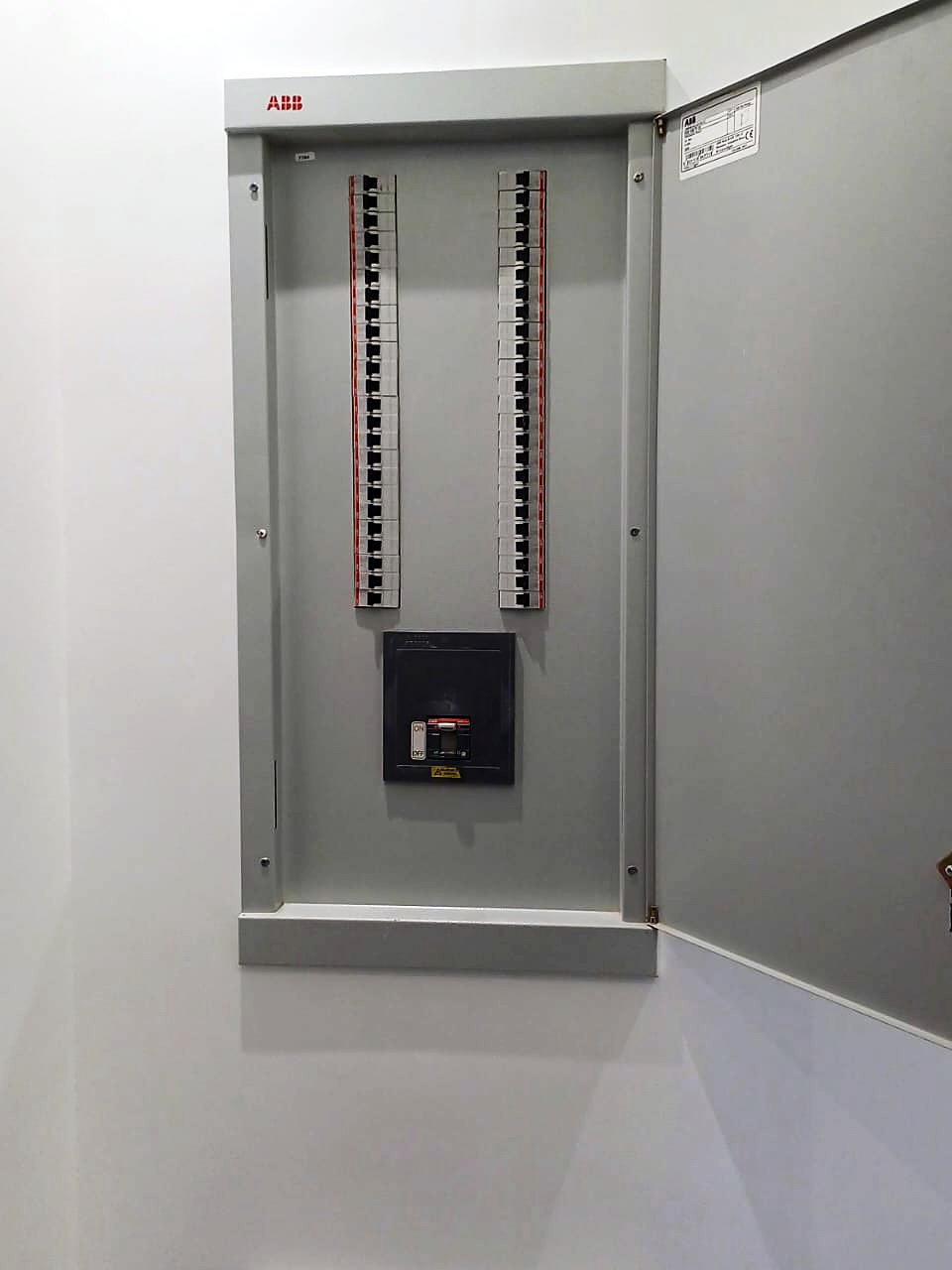
Electrical & Smart Home
Electrics are invisible until they are a problem.
See more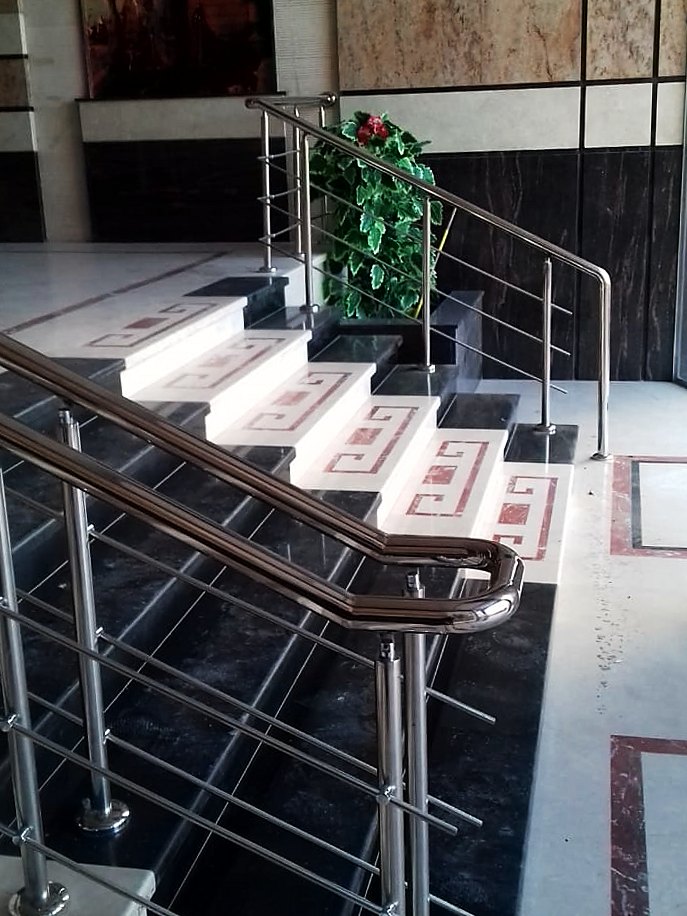
Marble
We buy marble at the block, not off a photograph.
See moreWork we have done
Photo gallery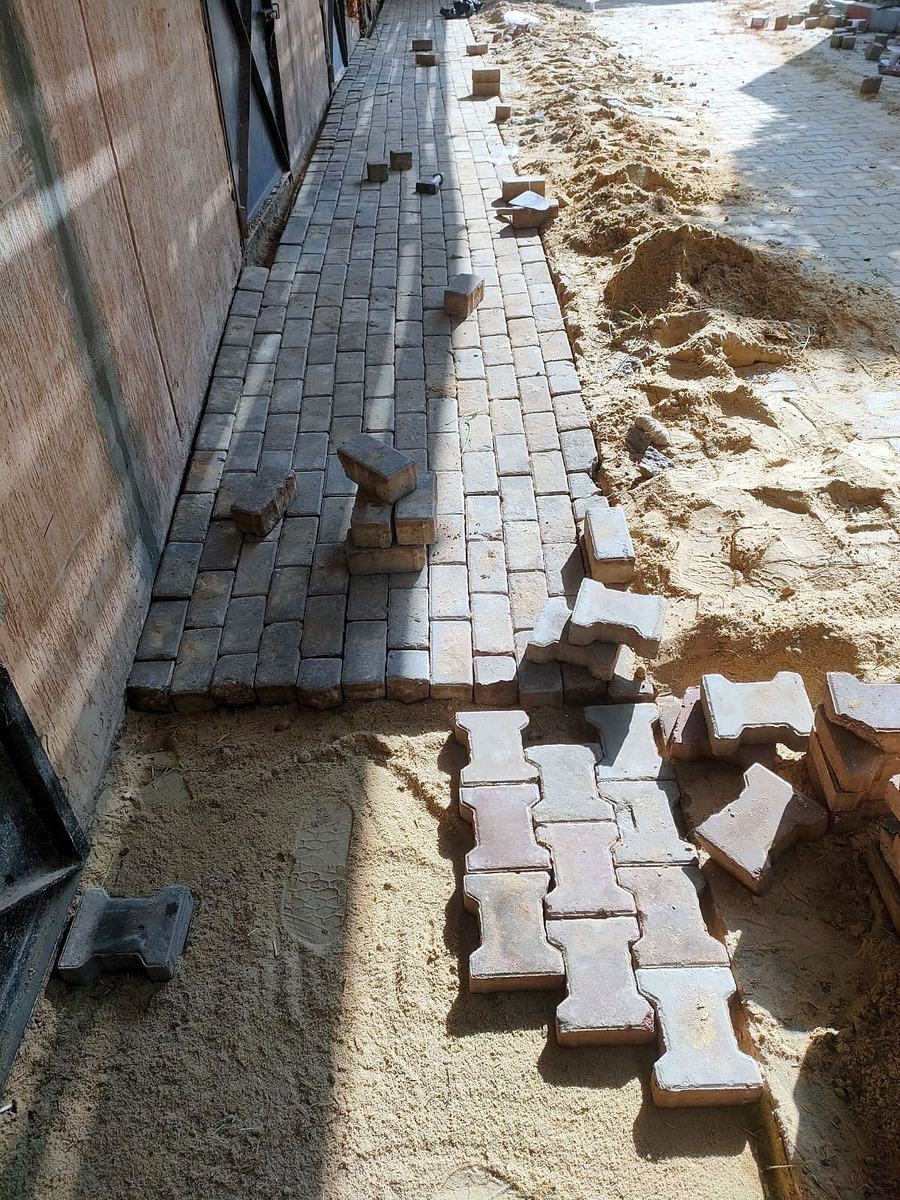
The Equestrian Yard
Stables, arena & yard · Working yard · In progress
View project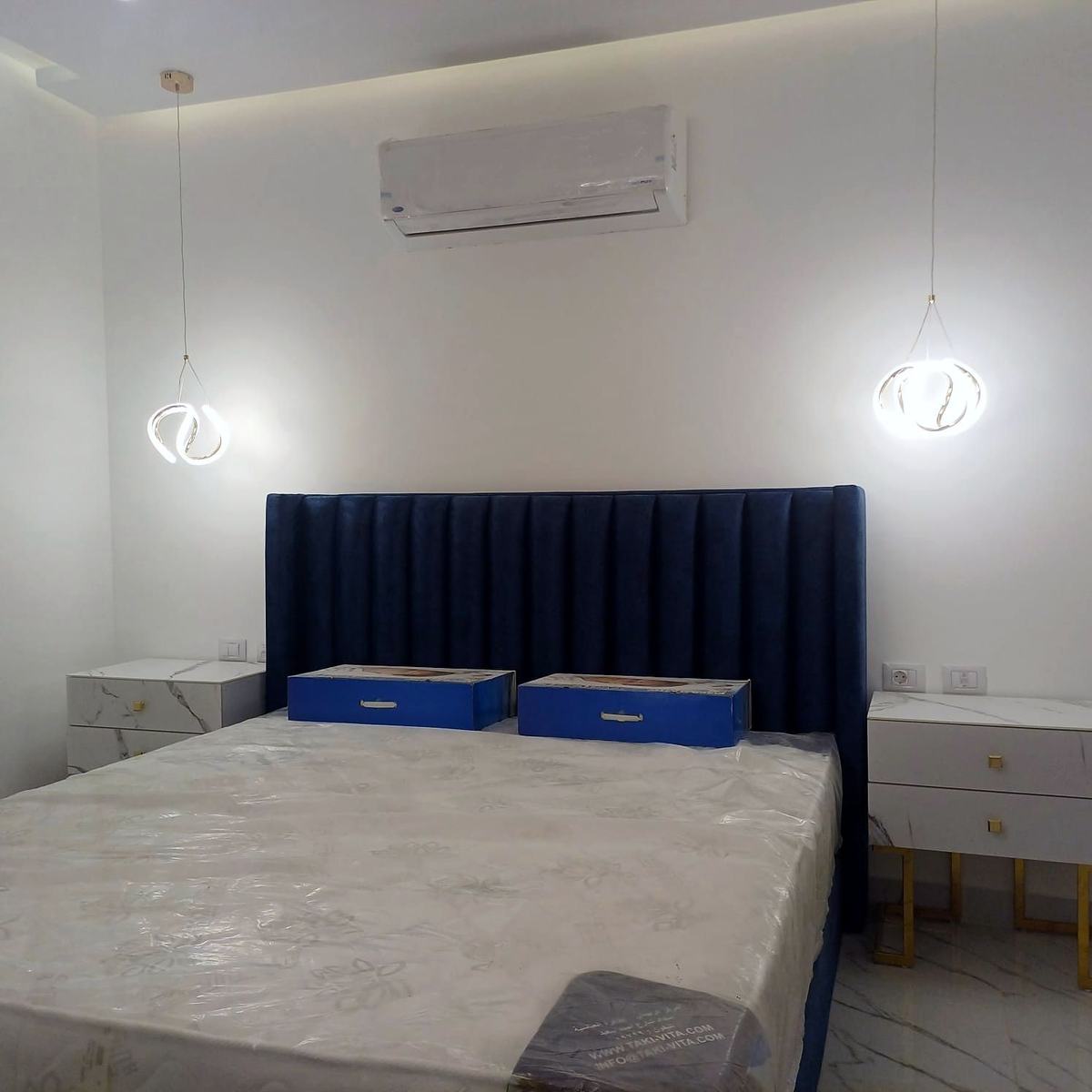
Sea-view Villa — Marble & Brass
Turnkey finishing · Villa · In progress
View project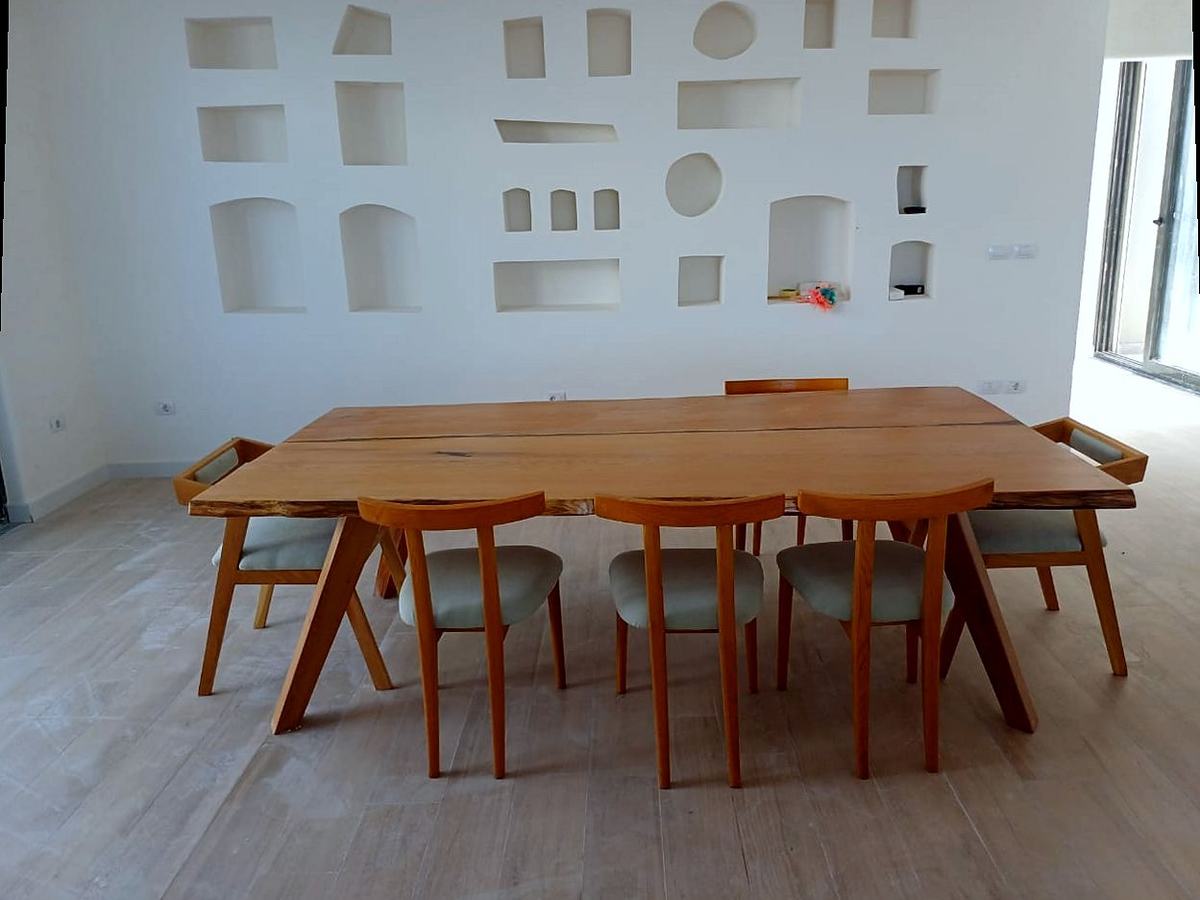
Pool Villa — Oak & Rattan
Exterior, pergola & interiors · Villa · In progress
View projectQuestions people ask
What does a modern finish mean?
Does modern feel cold, and how do I warm it?
Modern floors: large porcelain or marble?
Do full-height doors suit any flat?
What is 'modern classic'?
How is the cost of a modern finish decided?
Read next
Neo-classic interiors
Neo-classic takes the proportion, symmetry and cornices of classic design and leaves out the clutter and most of the gold. The…
See more Decoration · by styleReception rooms and TV walls
The TV wall is the first thing the eye lands on in a reception room, and the wall most easily spoiled by a visible cable or a…
See more Finishing · by levelFinishing levels in Egypt, item by item
Lux, super lux and ultra super lux are words the whole market uses, and every company means something slightly different by…
See more Guides · MaterialsMarble, granite or quartz?
All three look beautiful on the first day. The difference shows years later, in a kitchen with lemons, on a stair with sand on…
See more