Finishing · by property
Villa finishing, inside and out
A villa is not a large apartment. It has several floors, a stair, a roof, a façade and a garden, and all of them need planning as one job. Here is the right order, the decisions that matter, and what sets the cost and the time.
A villa is not a big apartment
Finishing a villa differs from finishing a flat because it has far more systems and outside space, not just more square metres. Each of these needs a decision before the first conduit goes in:
- Two or more floors, and an internal stair whose material and balustrade must be chosen early.
- A roof or annex (ملحق) that needs waterproofing and heat insulation before any finish goes on it.
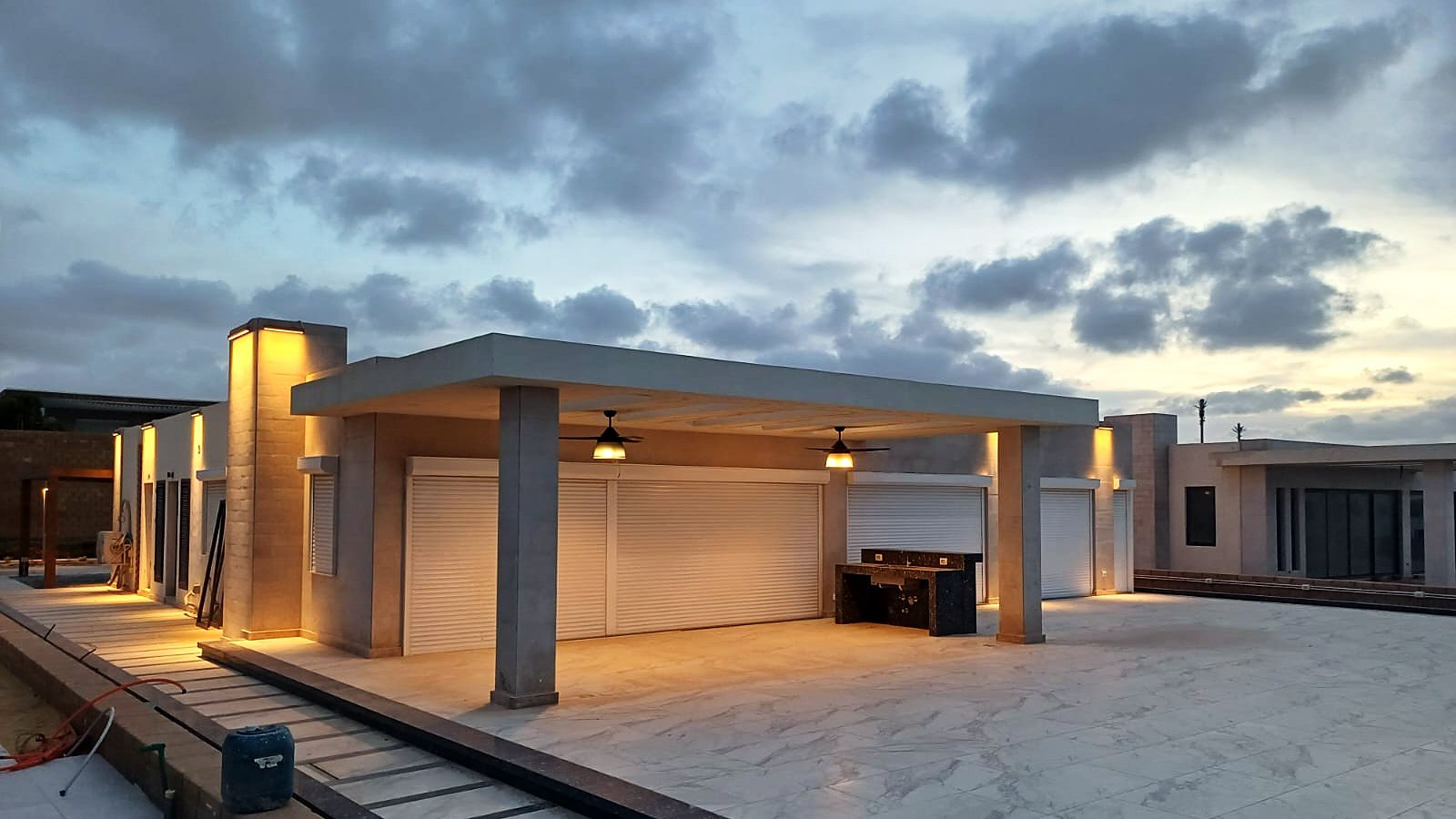
- Façades, a boundary wall and gates: outside work with its own materials and methods.
- A garden, paths and outdoor lighting, and sometimes a swimming pool.
- Water tanks and pumps, because mains pressure often does not reach the upper floors on its own.
- A larger air-conditioning system, and a choice between split units room by room or concealed ducted units.
That is why a villa starts with layouts and working drawings for electrics, plumbing and air conditioning. Moving a route after the plaster is up means breaking it open again and losing time.
What state is your villa in?
The state of the villa on the day of the survey is the first thing that sets the size of the quotation.
| State | What it means | Scope of work |
|---|---|---|
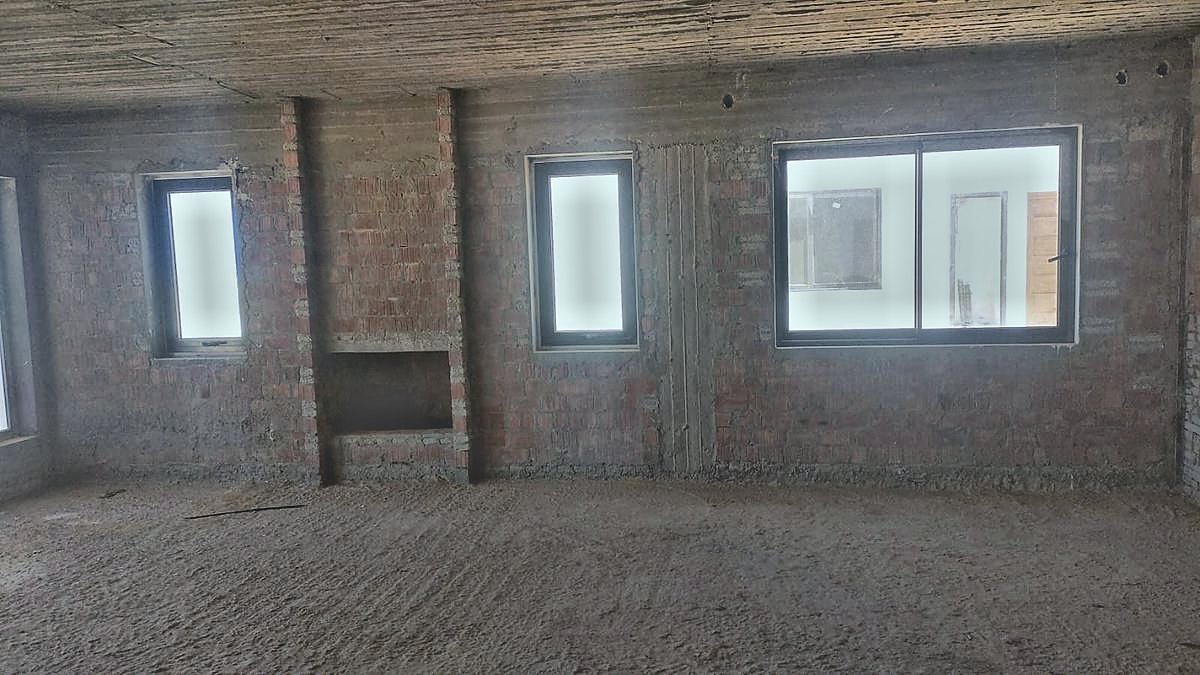
| Red brick | Concrete frame and brick walls, with no plaster and no services | Full finishing, from first fix to keys |
| Core and shell | Frame and façade usually done; the inside is bare concrete or brick | The whole interior, plus a check of what the developer handed over outside |
| Semi-finished (نص تشطيب) | Plaster, electrical and plumbing first fix, door frames; details vary by developer | Check what is there first, then floors, bathrooms, kitchen and paint |
| Finished, needs renewing | An old finish, or a lower level than you want now | Partial or full renewal, depending on the wiring, pipes and waterproofing |
Each state has its own page: finishing from red brick, and completing a semi-finished unit.
The interior, in order
Inside, a villa follows almost the same order as an apartment, repeated on every floor and overlapping with the outside work.
Drawings and decisions
The layout of each floor, where the bathrooms and kitchen go, the air-conditioning type, and the lighting and socket plan. A change here costs a line on a drawing; later it costs demolition.
Block-work changes
Building or removing non-structural walls for the new layout, after a structural engineer confirms that no wall being removed carries load.
First fix
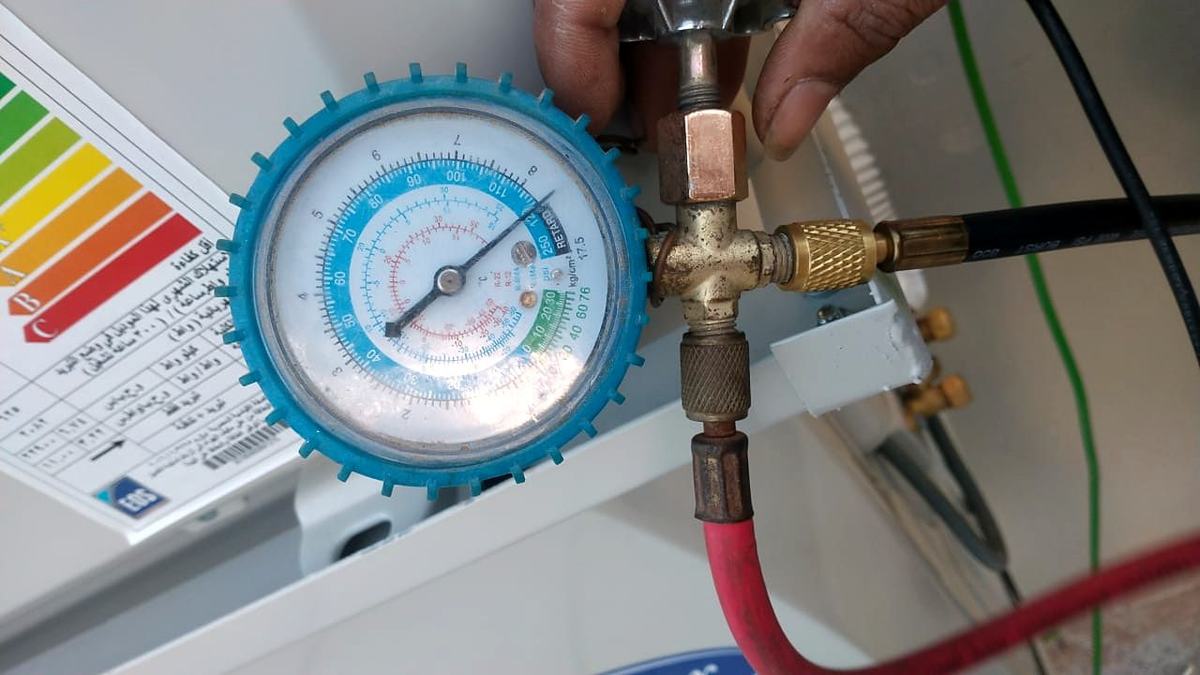
Electrical conduit and boxes, water supply and drainage pipes, copper pipes and condensate drains for the air conditioning, and the connections for tanks and pumps.
Waterproofing and testing
Waterproofing the bathroom, kitchen and roof floors, then a water test before anything covers it.
Plaster, ceilings and floors
Plaster on walls and ceilings, then gypsum board ceilings, then floors, stairs and bathroom wall cladding.
Paint and fit-out
Filler and first coats, then doors, kitchen, sanitary ware and light fittings, then the final coat, cleaning and handover.
The full detail of each stage is in our guide to the finishing steps in order.
Outside: façade, wall, garden and lighting
Finishing a villa from the outside starts with the façade material, because it decides the weight, the fixing method and the maintenance for years.
- Façade: exterior paint systems made for the weather, natural stone cladding, or GRC cornices and mouldings. Each has its own fixing method and its own details for shedding water.
- Boundary wall and gates: steel or stainless steel depending on the design and how close the house is to the sea, protected against rust before painting.
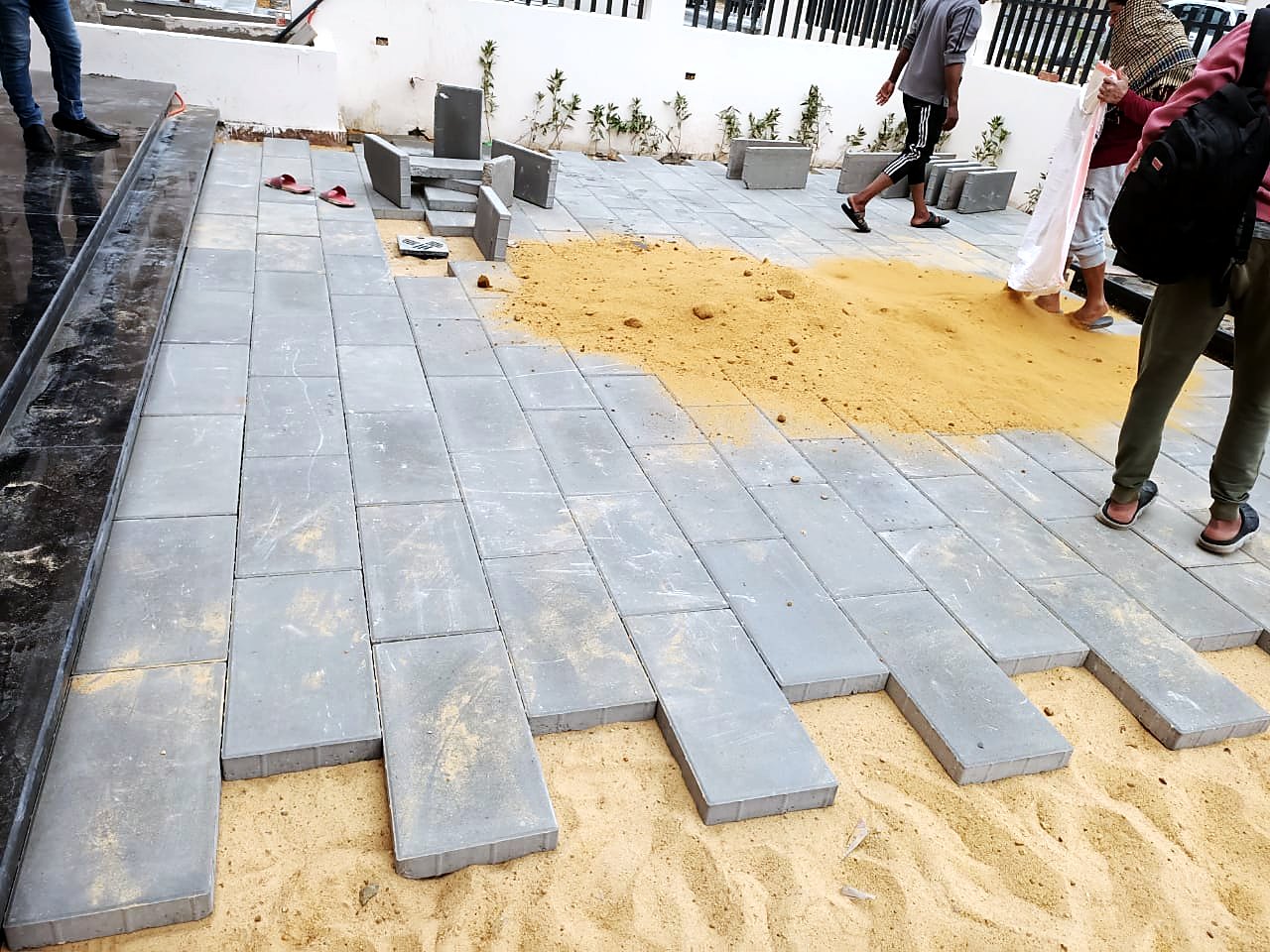
- Garden and paths: soil preparation, falls and irrigation pipes before planting, and slip-resistant paving around any pool.
- Outdoor lighting: fittings rated for outdoor use, on separate circuits protected by an earth-leakage breaker.
- Swimming pool: if there is one, its water and electrical routes are planned with the garden, not after it.
Outside work is scheduled with the inside work so that scaffolding and machinery do not get in the way of the final fit-out indoors.
The materials that matter in a villa
In a villa one material is repeated over large areas, so a wrong choice is multiplied.
| Item | What you decide | Worth knowing |
|---|---|---|
| Floors | Marble, granite or porcelain, and the tile size | Marble is softer than granite and needs care where traffic is heavy |
| Stair | Marble, granite or timber, and the balustrade | The edge and the surface texture decide safety before looks |
| Windows | Thermal-break aluminium or UPVC, and double glazing | Glass and seals affect heat and noise in every room |
| Shutters | Aluminium or timber, manual or motorised | West- and south-facing rooms need them most |
| Joinery | Doors, wardrobes and the kitchen | Measuring after plaster and floors keeps the gaps tight |
You can see real samples in our catalogue of 94 Egyptian stones — marble, granite, quartz and onyx — and choose from the stone itself, not a photograph.
What sets the cost of finishing a villa
The cost of finishing a villa is set by its area, its state, the materials and how much outside work there is, which is why we do not publish a price per metre. The main drivers:
- The area of each floor, the number of floors, and the roof or annex.
- The number of bathrooms and kitchens, which carry more cost per metre than any other room.
- The stone chosen for floors, stairs and façade.
- The air-conditioning system: split units or concealed ducted units.
- The outside scope: façade, boundary wall, garden and pool.
- The level of finish you want: super lux, ultra super lux or hotel-style.
Any figure given before a survey is a guess. The accurate answer is a written quotation, item by item, with quantities and specifications, so you can see where every part of the budget goes.
How long it takes, and what slows it down
A villa takes longer to finish than an apartment, and what stretches the time is usually waiting, not the work itself.
- Late decisions: a change of layout or material after the work has started.
- Made-to-order items: kitchen, wardrobes, doors, windows and metalwork are all made after the final measurements.
- Drying and testing: plaster and waterproofing need time, and water tests should not be cut short.
- Approvals from the compound or the local authority for any change to the façade or to the built area.
- Imported materials, if you choose any.
The single biggest saving of time is settling the main decisions before work starts, because every decision that waits becomes waiting on site.
How Itmam finishes a villa
We visit the villa, measure it, and give you a written, itemised quotation before any work starts — for the whole villa inside and out, or only the part you need.
On a finishing contract you pay each supplier directly and the tax invoice is in your name. Our fee is for supervision and execution, agreed in writing before work starts.
Kitchens, wardrobes, doors, vanities, metalwork and stone tops are made in our own workshops, and stone is templated, cut and installed by the same team.
If you are still at the land stage, we build too, from the plot to the finished villa. We work in Alexandria, on the North Coast and in New Cairo, and elsewhere in Egypt when the job suits.
Departments for this
Full Home Renovation
This is the contract most of our clients actually want: one company, one programme, one written quotation.
See more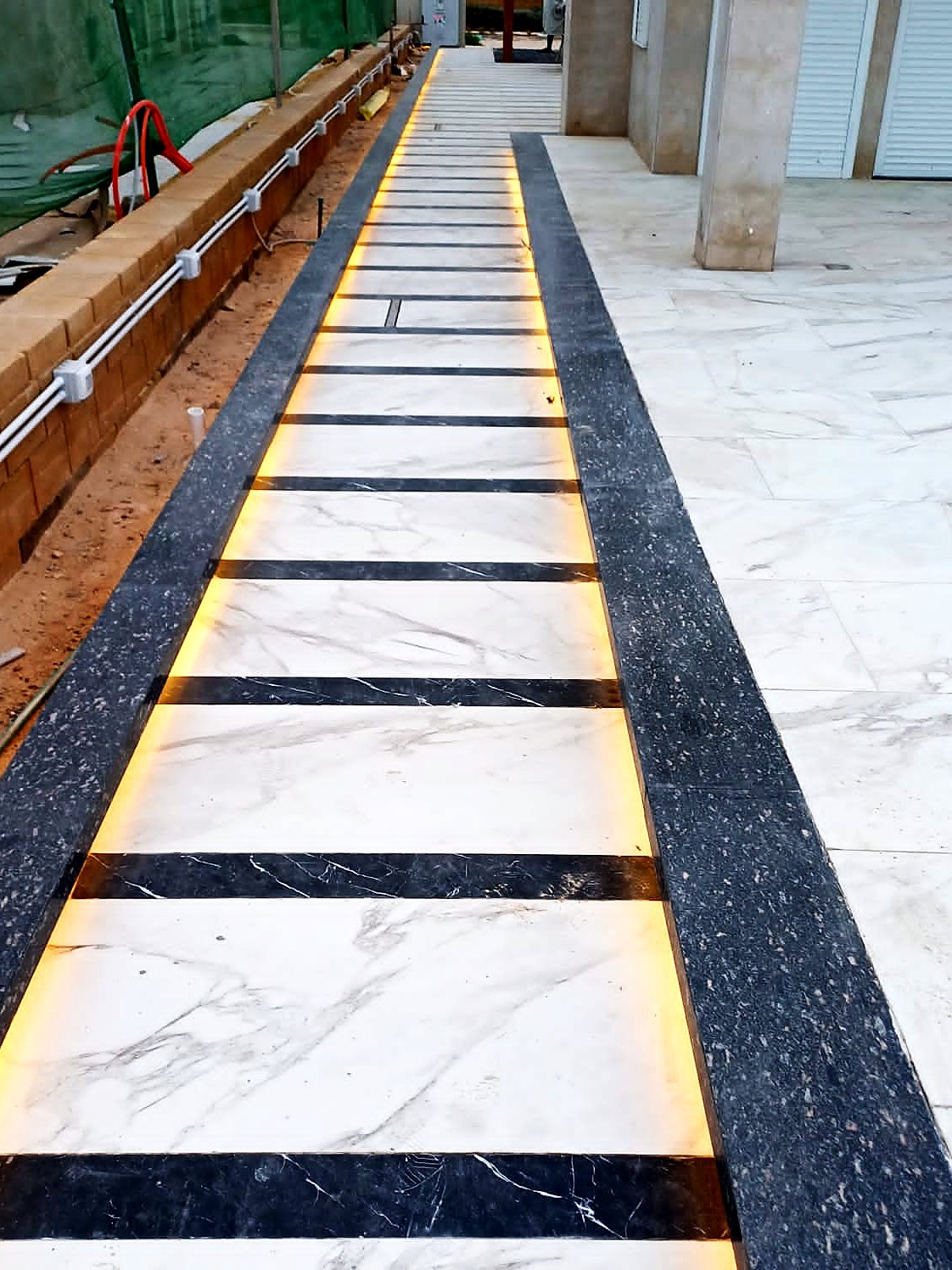
Marble
We buy marble at the block, not off a photograph.
See moreWindows & Doors
The window is the most expensive mistake in an Egyptian villa.
See more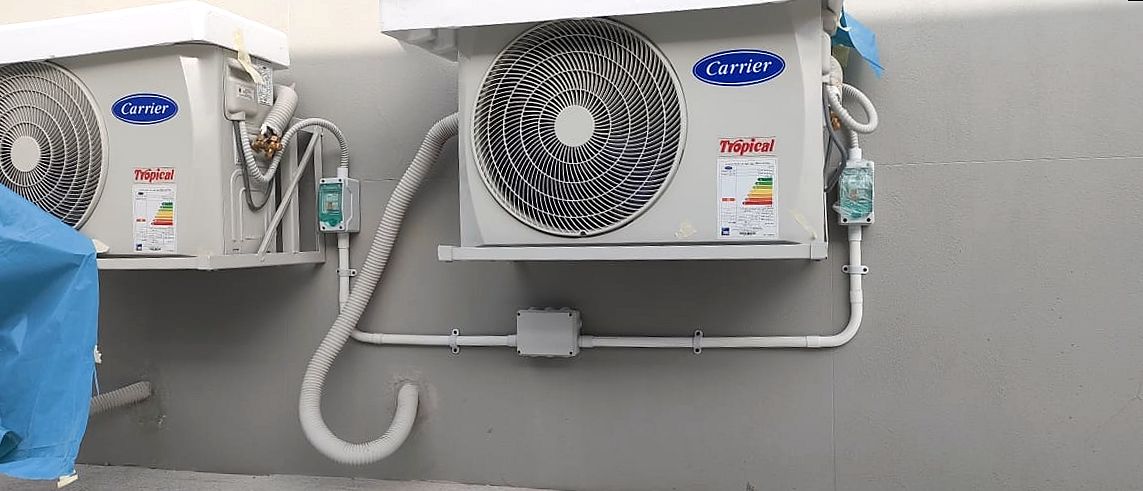
Air Conditioning & Ventilation
Air conditioning is the system nobody thinks about until it fails, and then it fails visibly: a brown stain spreading across a new gypsum ceiling, a bedroom that never gets cold because the unit was chosen from a catalogue, an outdoor condenser eaten through by three seasons of salt.
See more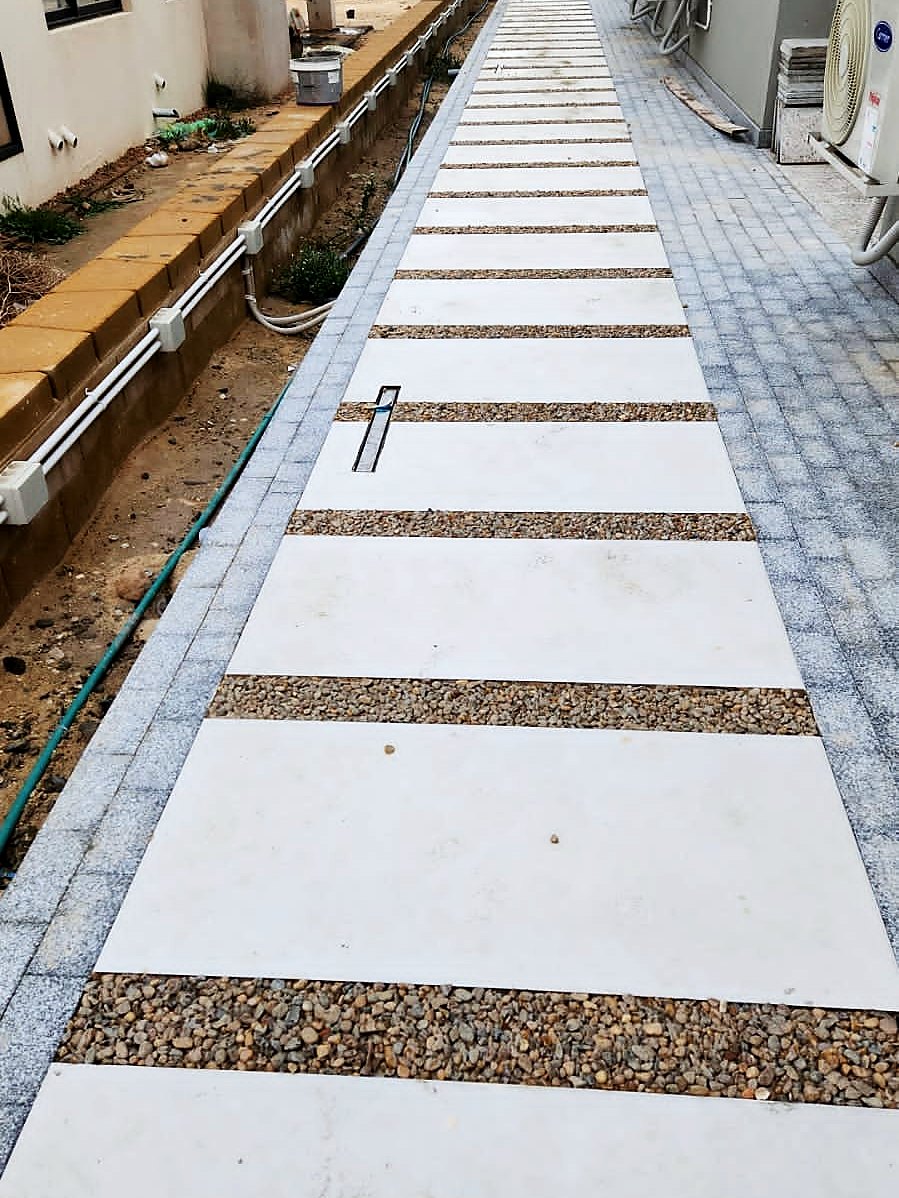
Landscape & Hardscape
Everything between the gate and the terrace edge is hardscape, and it is what a house gets judged on before anyone reaches the front door.
See more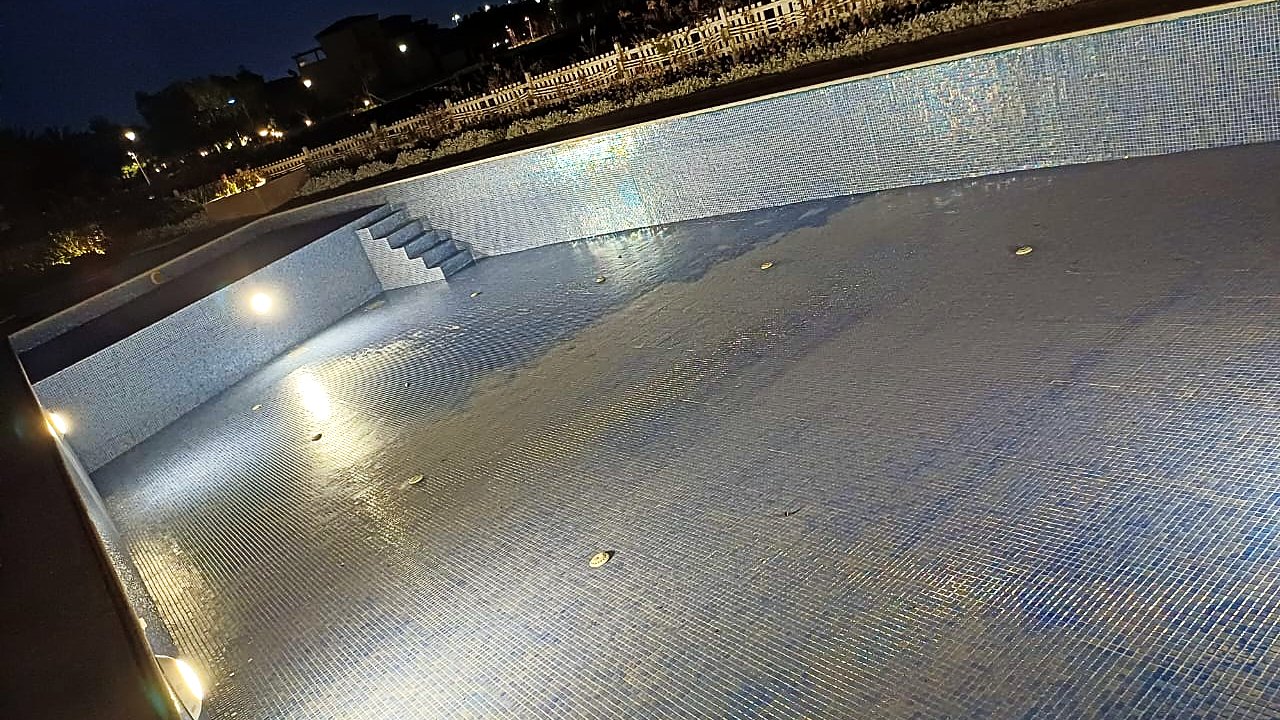
Swimming Pools
A pool is three things — a concrete tank, a hydraulic circuit and a finish — and only the last one is visible when it is full.
See more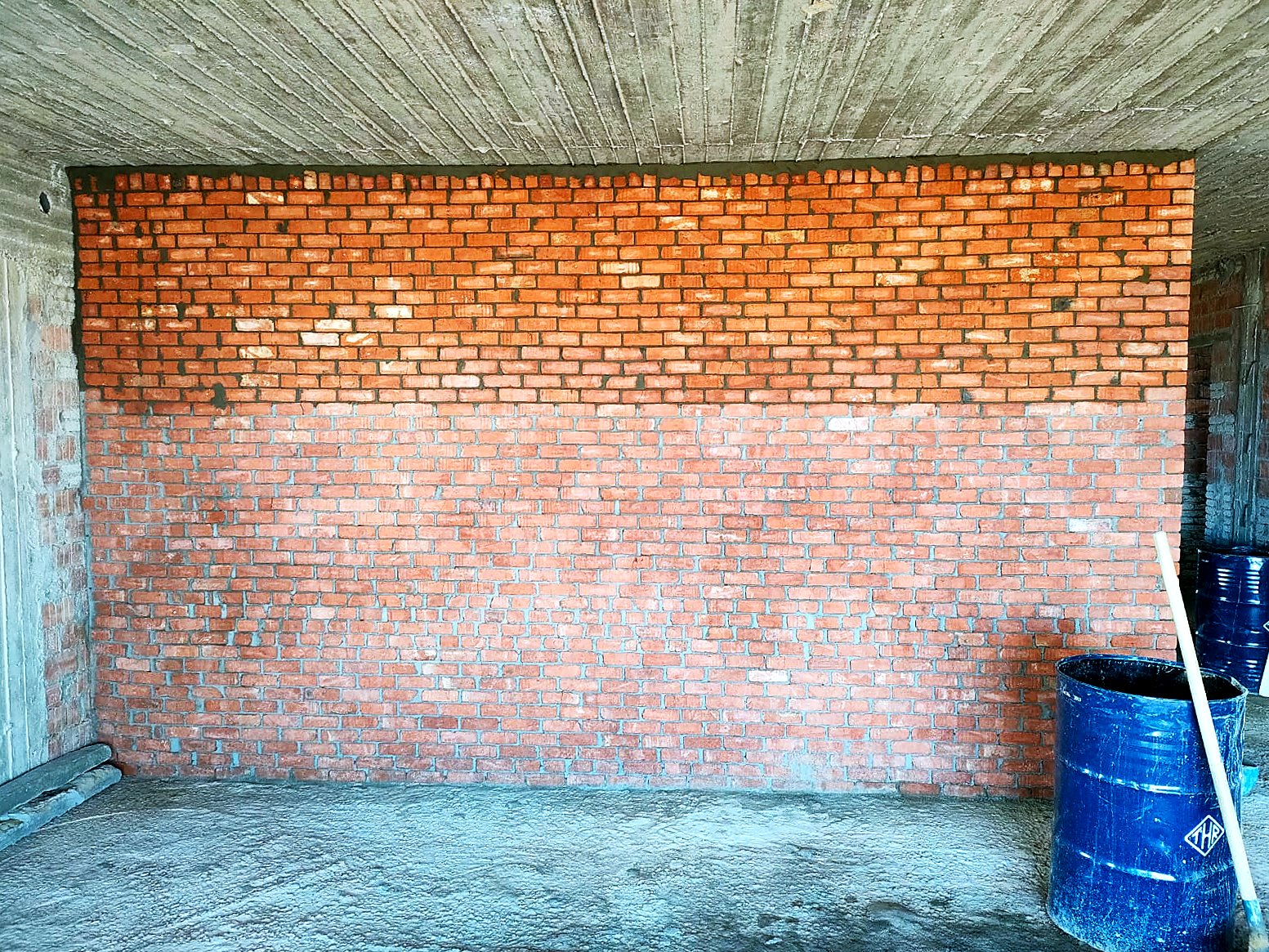
Build From Land
Most people who buy a plot in Egypt become their own main contractor by accident — a mason through a cousin, a plumber who comes when he can, a carpenter who turns up after the tiles are already down, and fifteen invoices nobody reconciles.
See moreWork we have done
Photo gallery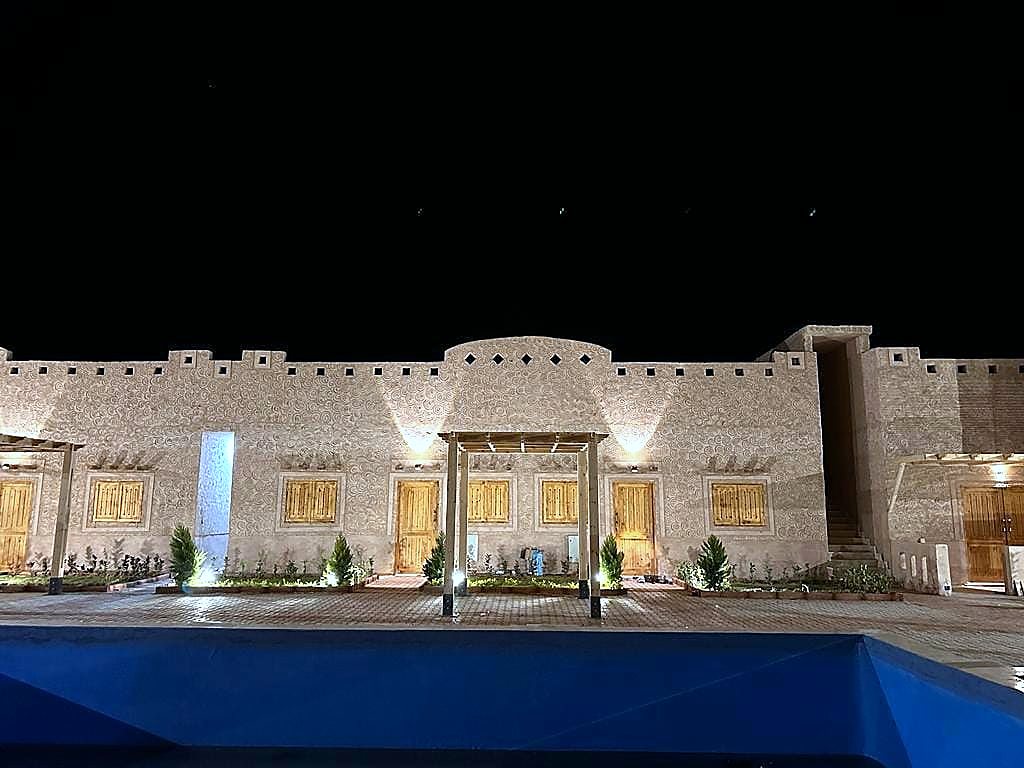
Questions people ask
How much does it cost to finish a villa?
How long does villa finishing take?
Can you do only the interior, or only the façade?
Do I need a permit to finish the villa façade?
Do you work inside gated compounds?
Can I buy materials myself and have you install?
Read next
Villa façades
The façade is the first thing anyone sees of a villa, and the part that faces the sun, rain and salt every day. Here are the…
See more Finishing · by current stateFrom red brick to keys
Took handover of a unit in red brick? Then everything is still ahead of you, and this is the best moment to make the decisions…
See more Finishing · by current stateCompleting a semi-finished flat without ripping it out
Semi-finished does not mean half the work is done. It means someone else has already done work that you will build on, so you…
See more Finishing · by levelFinishing levels in Egypt, item by item
Lux, super lux and ultra super lux are words the whole market uses, and every company means something slightly different by…
See more Guides · During the workFinishing a flat, step by step
Finishing has a right order, and most expensive mistakes come from breaking it. Here is the sequence from bare walls to…
See more Supply