Areas · Alexandria
Wooden doors in Alexandria: room doors and front doors
Choosing wooden doors in Alexandria starts with the humidity and the opening, not the look: damp air for most of the year, bathroom floors that get wet every day, and older flats with openings taller than today’s doors. Here is how door types and finishes differ, how to measure the opening and the frame, what to ask about a timber or armoured front door, and how to check the work at handover.
Types of wooden door: solid, hollow core or HDF?
The real difference between two doors is the core, what sits between the two faces, so ask about the core before the colour.
| Type | What it is | Strengths | Weak points | Suits |
|---|---|---|---|---|
| Solid timber | Natural wood, usually a frame with panels | Strong, blocks sound, can be refinished | Warps if not properly dried; heavy | Front doors and panelled doors |
| Hollow core with MDF or HDF faces | A timber frame with a honeycomb card core | Light; does not warp easily | Lets sound through; suffers from knocks and water | Bedrooms and living rooms |
| Solid core with MDF or HDF faces | A timber frame with a particleboard or blockboard core | Quieter; holds locks and hinges well | Heavier; an exposed edge is damaged by water | Rooms, and bathroom doors once every edge is sealed |
| Moulded HDF | Two faces pressed into panel shapes over a light core | The panelled look at a low weight | Usually hollow; suffers from water and knocks | Rooms in light use |
| WPC or aluminium | A wood-fibre and plastic composite, or a profile with an infill panel | Copes with water far better | A less warm look, fewer finishes | Bathrooms and damp areas |
After the core comes the finish. Natural veneer is real wood under a clear lacquer, but sun changes its colour, so order every door in the flat from one batch of veneer. Lacquer is polyurethane paint sprayed in any colour with no brush marks; an edge can chip, but it can be resprayed. Paint applied on site is easy to renew, but the surface is less smooth.
Alexandria humidity: swelling, bathroom doors and the gap at the floor
Moisture gets into a door through its unsealed edges, so a door with every edge sealed, hung at the right height above the floor, lasts far longer in Alexandria.
- Edges: swelling usually starts at the bottom edge, which is trimmed and then left unpainted, and at the cut-outs for the lock and hinges, so ask for every edge to be sealed after trimming.
- Solid timber must be properly dried before it is made up, and even good timber swells a little in the damp winter, so leave a small, even gap round the leaf.
- Bathroom doors fail first, because mopping water reaches the foot of the frame. A marble or granite threshold for the frame to stand on keeps it out of the water; add a moisture-tolerant core, or choose a WPC or aluminium door. A bathroom extractor with a small gap under the door takes the steam out before it condenses on the door.
- The gap under the door is set from the finished floor, not the screed. A door trimmed before the floor goes down may not clear a thicker marble floor, or may leave a wide gap above a thinner one.
How to measure the opening, and frames and architraves
Your measurements are enough for a first quote, but a door is made to sizes taken on site, because older openings are rarely square.
Width and height
Measure the width at the top, middle and bottom of the opening, and the height on the left and right from the finished floor level, not the current floor, and note the smallest.
Wall thickness
Measure it in several places after plastering, and add the tiles if one side is clad, because the frame depth matches the finished wall thickness so the architraves can cover the joint on both sides.
Which way it opens
The leaf should open towards a wall without hitting a bed or wardrobe, and the light switch belongs on the handle side, not behind the door.
The frame
The frame is the fixed surround the leaf hangs in. It is set plumb and level to the finished floor level and fixed into the brickwork or concrete, not into the plaster alone; a frame out of plumb makes the door swing open or shut on its own.
Architraves
The mouldings that cover the joint between the frame and the wall on both sides, in the same finish as the door, with corners cut at 45 degrees and closed tight.
The front door: timber or armoured? Sound and fire
A front door needs a heavier core, stronger fixing and a better lock than a room door, whether it is timber or armoured.
- A timber front door: a thicker leaf with a solid core, more hinges because it is heavier, a security lock, a door viewer, and a seal round the frame against noise and dust.
- A modern front door usually means a plain leaf with routed grooves and a long pull handle, but the core, the lock and how the frame is fixed decide the quality, not the look.
- An exterior timber door, facing the street, a garden or an open balcony, needs timber and a finish made for outdoors that can take sun, rain and salt, with stainless hardware near the sea, not ordinary veneer or HDF.
- An armoured door has a steel-sheet body with internal reinforcement, a steel frame fixed into the wall, a lock with several bolts that engage the frame on more than one side, and faces in timber, MDF or HDF. Ask about the sheet thickness, the locking points, the cylinder and how the frame is fixed, and ask the building management if the landing doors share one look.
- Sound: a solid core and seals round the frame and under the leaf cut noise more than any veneer.
- Fire: a fire-resisting door is a product tested as a complete set, with a certificate, and an armoured door is not fire-resisting just because it is heavy. If the building or the competent authority asks for one, ask for the tested product with its certificate.
Hinges, locks and hardware
Hardware is the part that moves every day, so it is chosen for the weight of the door and where it is, and written into the quotation by material and specification, not as “first grade”.
- Hinges: how many and how strong depends on the weight and height of the leaf, and a tall or heavy door needs more of them. Near the sea choose stainless steel, because plated steel rusts and starts to creak. Concealed hinges look cleaner on a plain door, but the leaf and frame must be prepared for them.
- Bathroom lock: a thumb-turn inside that can be opened from outside in an emergency, rather than a key that can be lost or locked on a child.
- Front-door lock: a security cylinder that is hard to pick, every copy of the keys handed to you, and multi-point locking on an armoured door.
- Door stops: a small stop in the floor or on the wall protects the wall and the handle.
Older flats: restoring panelled doors and tall openings
The original panelled doors in older Alexandria flats are often good solid timber, and restoring them keeps the character of the flat, so compare restoring with replacing before you decide.
- Restoration means stripping the old layers of paint, re-gluing loose joints, replacing broken panels, hinges and locks, then repainting.
- Very old paint can contain lead, so do not dry-sand it or burn it off indoors: use a suitable stripper with ventilation and a mask, and keep children away.
- When to replace: timber with woodworm, a leaf that has lost its shape, or a frame rotted at floor level, where sometimes replacing only the damaged part is enough.
- Tall openings: either a new full-height door made to measure, or a shorter leaf with a fixed glazed fanlight above it that lights the hallway, as the original did.
- Matching: if you replace only some doors, ask for the same panel layout and architrave width, and try the colour on a sample of the same timber.
The order of works, and handover
The frame goes in before the final floor and paint, and the leaf after them, so the door closes with an even gap and clears the floor.
Planning
Fix the door positions, sizes and swing with the electrical drawing before first fix, so that no switch ends up behind a door.
Frames
In new finishing, before plastering so the plaster can finish against them; in a renovation, before the floors and paint; always to the finished floor level and protected from knocks and mortar.
Floors, then leaves
The finished floor goes down first; then the leaves are hung and trimmed to it, and the cut edge is sealed.
Architraves and hardware
Architraves after the walls are painted, then locks, handles and stops, and scratches touched up.
Handover
Open and close every door: it should move easily, stay where you leave it and show an even gap all round. Try every lock and key, and the bathroom lock from outside; check that each leaf clears the rug, that the architraves sit tight with closed corners, and that there are no scratches or colour differences.
Our handover checklist covers the rest of the flat.
Itmam and doors in Alexandria
Itmam is a finishing, decoration and supply company from Alexandria: head office in El Ibrahimya, marble and granite showroom in El Deresa, Moharram Bey. Room doors are made in our own workshops, flush, panelled or with concealed frames, in natural veneer or sprayed lacquer, with the frames, architraves and skirting made with them as one set. Armoured entrance doors are part of our windows and doors work, and in older flats we restore panelled doors where that is the right call.
We visit, measure and give you a written, itemised quotation before work starts. On a finishing contract you pay each supplier directly at their price, and the tax invoice is in your name; our management fee for supervision and execution is agreed in writing before we begin, and we add nothing to the price of materials. If you only need the materials, supply-only is available.
Itmam was founded in 2016, with 20+ years in the trade. Call or WhatsApp us on +20 106 926 2572, Saturday to Thursday, 09:00 to 18:00.
Departments for this
Windows & Doors
The window is the most expensive mistake in an Egyptian villa.
See moreFurniture Manufacturing
We run our own furniture workshop, which means the bed, the wardrobes, the desk and the internal doors of the same villa are cut, jointed, sprayed and delivered by one team on one programme.
See more
Bedrooms & Furniture
Fitted furniture is measured in millimetres and judged in reveals.
See more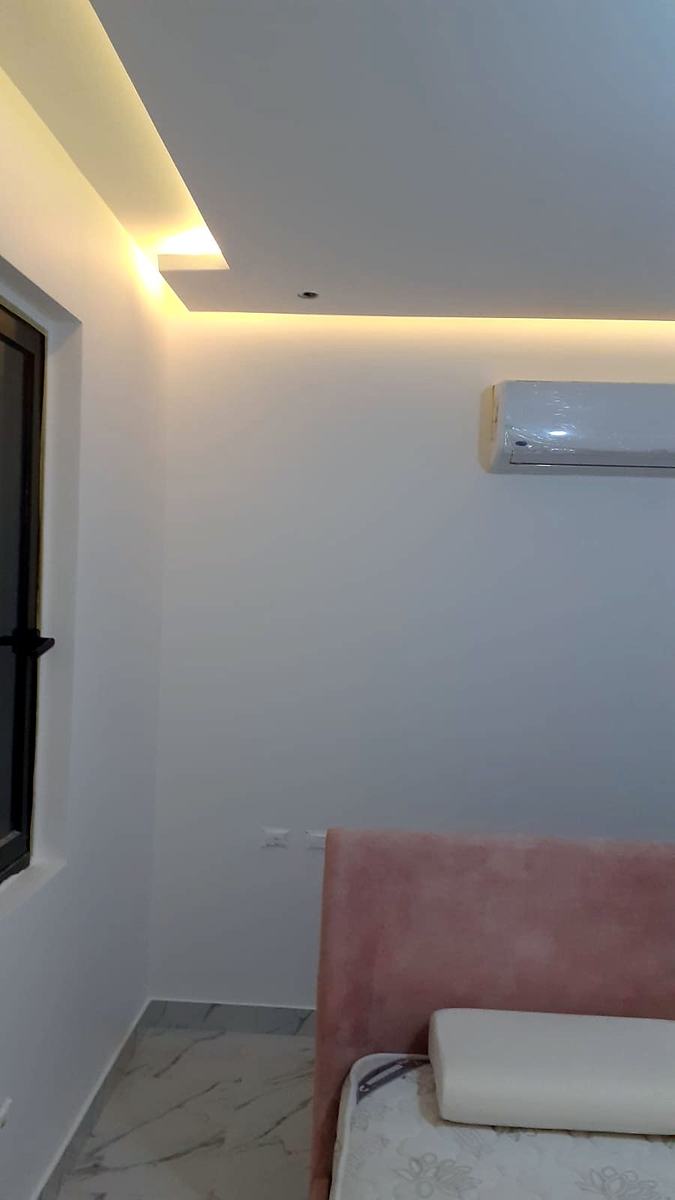
Painting & Decorative Finishes
Paint is the finish everybody judges and the trade everybody rushes.
See moreWork we have done
Photo gallery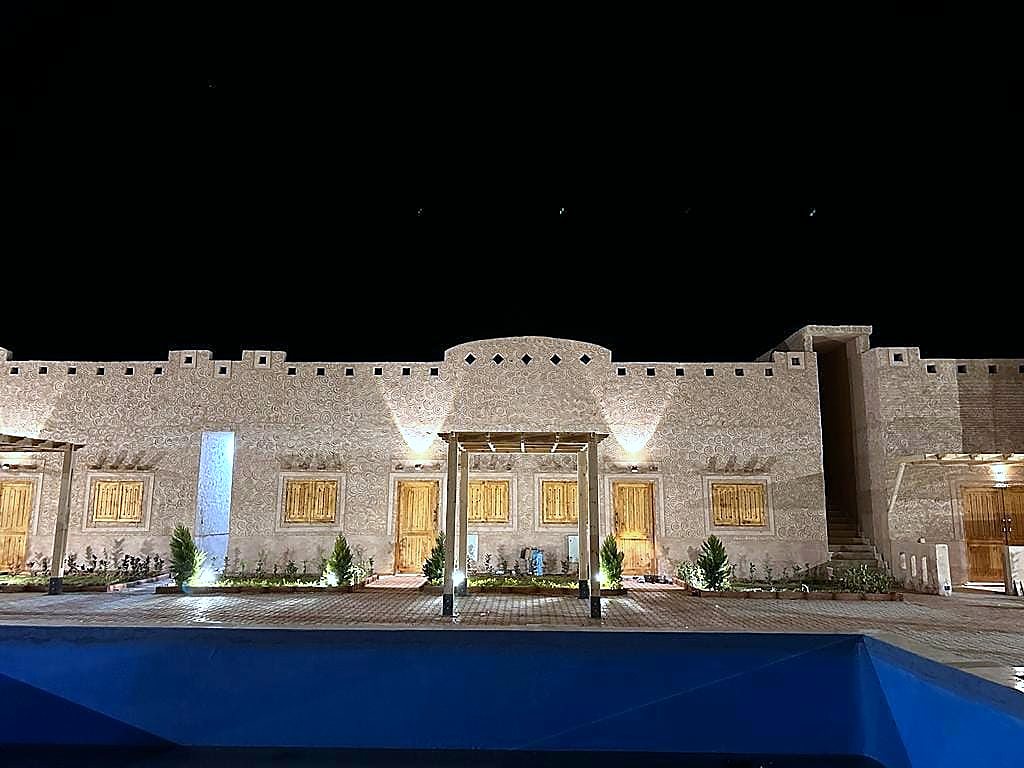
El Moghra
Turnkey build & finish · Desert lodge · Completed
View project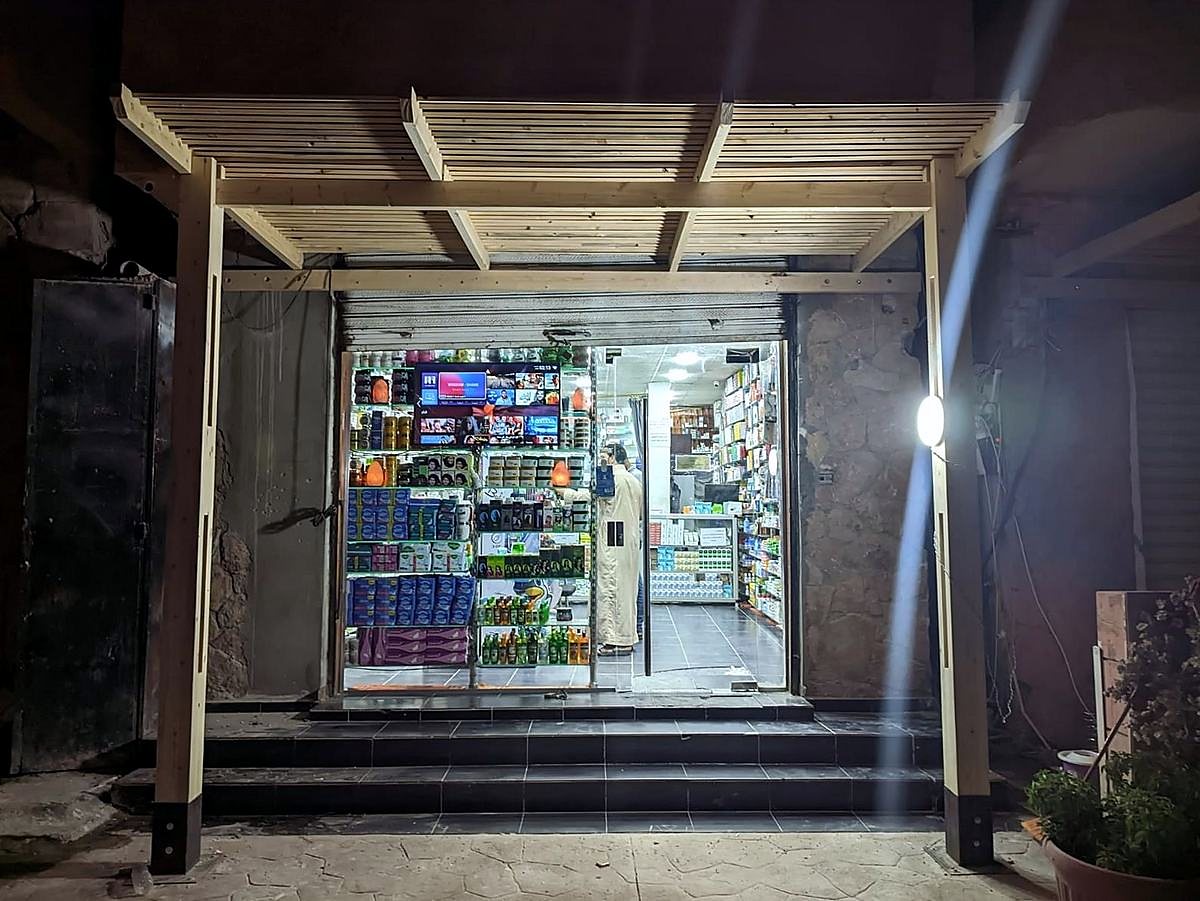
Market Street, Siwa
Façades, pergolas & shopfronts · A street of shops · Completed
View project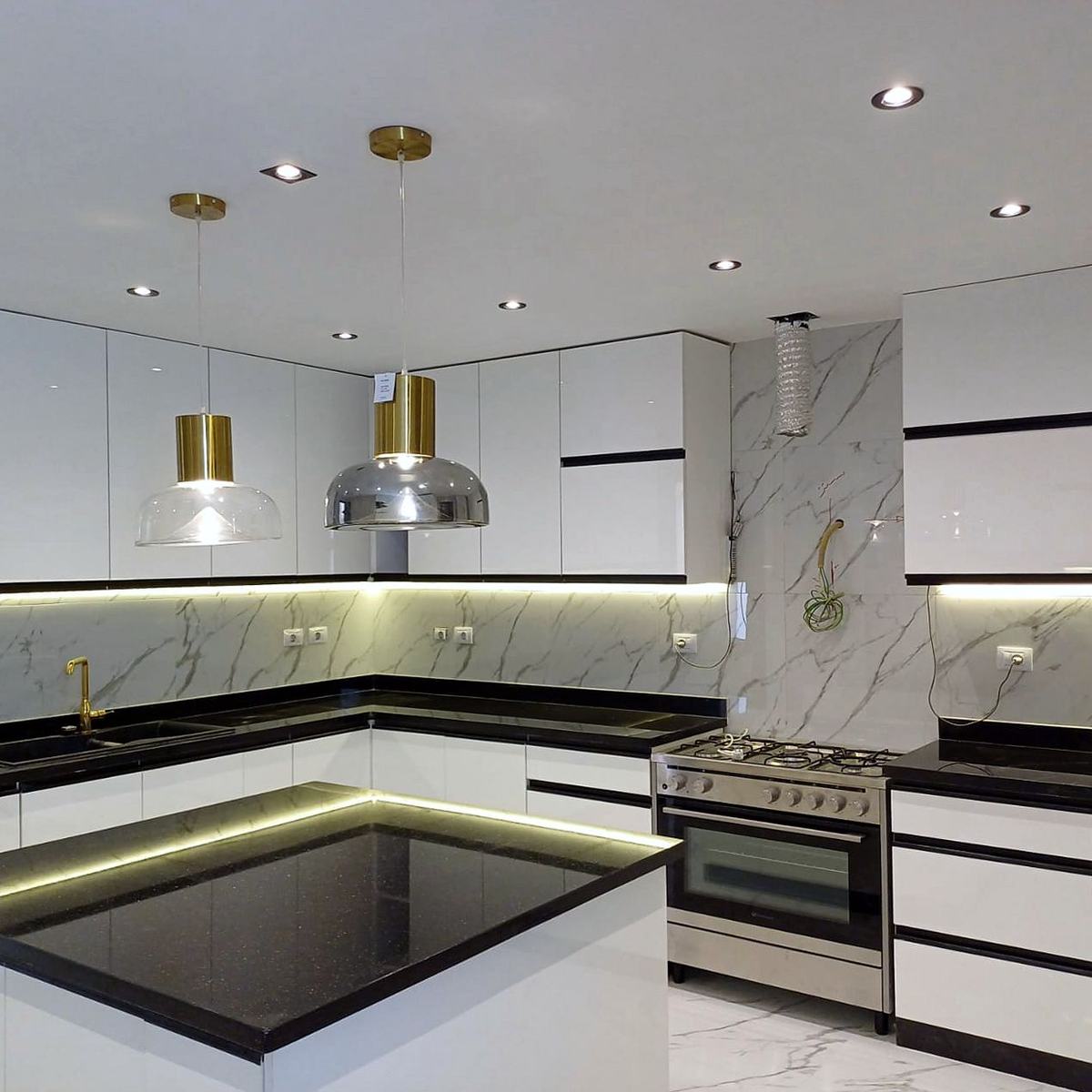
Sea-view Villa — Marble & Brass
Turnkey finishing · Villa · In progress
View projectQuestions people ask
Solid wood or HDF for bedroom doors in Alexandria?
My wooden bathroom door is swelling. What can I do?
Armoured or timber front door?
Will an exterior timber door stand up to sun and rain?
Should I restore an old panelled door or replace it?
What decides the cost of a room door or a front door?
Read next
Alexandria
See more Areas · AlexandriaFurnishing a flat in Alexandria: bedrooms, sofas and curtains
Furnishing a flat in Alexandria has its own challenges: sea-air humidity tires wood and fabric, many older buildings have narrow…
See more Areas · AlexandriaBathroom finishing and renovation in Alexandria
Bathroom finishing and renovation in Alexandria starts with what is under the tiles, not their colour: the waterproofing, the…
See more Areas · AlexandriaFlooring in Alexandria: porcelain, parquet, SPC and marble
Choosing flooring in Alexandria starts with the humidity, not the colour: damp air for most of the year, sand and salt in flats…
See more Finishing · by current stateRenovating older apartments
Older apartments in Alexandria have generous rooms, high ceilings and details that are hard to find today, and also wiring…
See more Guides · During the workFinishing a flat, step by step
Finishing has a right order, and most expensive mistakes come from breaking it. Here is the sequence from bare walls to…
See more Guides · HandoverTaking handover: what to check before you sign
Handover is the last moment when defects are easy to fix. Go through the unit room by room, with the power and water on, and…
See more Guides · MaterialsFinishing by the sea: what lasts and what fails
A finish that lasts for years in Cairo can fail within a few seasons on the North Coast. Salt, humidity, sun, sand and long…
See more