Decoration · by style
Neo-classic interiors
Neo-classic takes the proportion, symmetry and cornices of classic design and leaves out the clutter and most of the gold. The result is calm and elegant, provided the dimensions are right.
What is neo-classic?
Neo-classic borrows the elements of classical architecture (symmetry, calm proportion, cornices, wall panels and pilasters) and simplifies them. The ornament is lighter and softer, the colours are pale, and the furniture is lighter than traditional classic pieces.
The core idea is division: a skirting at the bottom, the wall with its panels, then the cornice at the top, with a clear axis in each room around which the doors, windows, chandelier and furniture are balanced. When those proportions are right, the room looks ordered before a single piece of furniture arrives.
Classic or neo-classic? The difference in a table
The two come from the same family, but they feel very different. In short:
| Element | Classic | Neo-classic |
|---|---|---|
| Ornament | Dense: raised carving and mouldings on ceilings, walls and furniture | Measured: cornices and panels with simple profiles |
| Colours | Deeper and warmer, with a lot of gold | Pale (off-white, beige, light grey) with quiet brass or gold in the details |
| Ceilings | Several levels, mouldings, ornament and medallions | A clear cornice, one or two levels, and concealed light |
| Furniture | Carved wood and heavy fabrics | Softer lines, less carving, lighter fabrics |
| Floors | Marble with large, many-coloured inlay | Pale marble with a border, or a simple inlay at the entrance or under the chandelier |
| Overall feel | Obvious, heavy grandeur | Quiet elegance that is easier to live with every day |
The elements: cornices, panels, marble and brass
Neo-classic is built from a short list of elements. The skill lies in how many of them you use, and at what size.
- Cornices: fitted where wall meets ceiling, in gypsum or polyurethane. The size is chosen for the ceiling height and the room, not from a catalogue.
- Wall panels: raised frames that divide a wall into rectangles lined up with its doors and windows, in gypsum, polyurethane or wood.
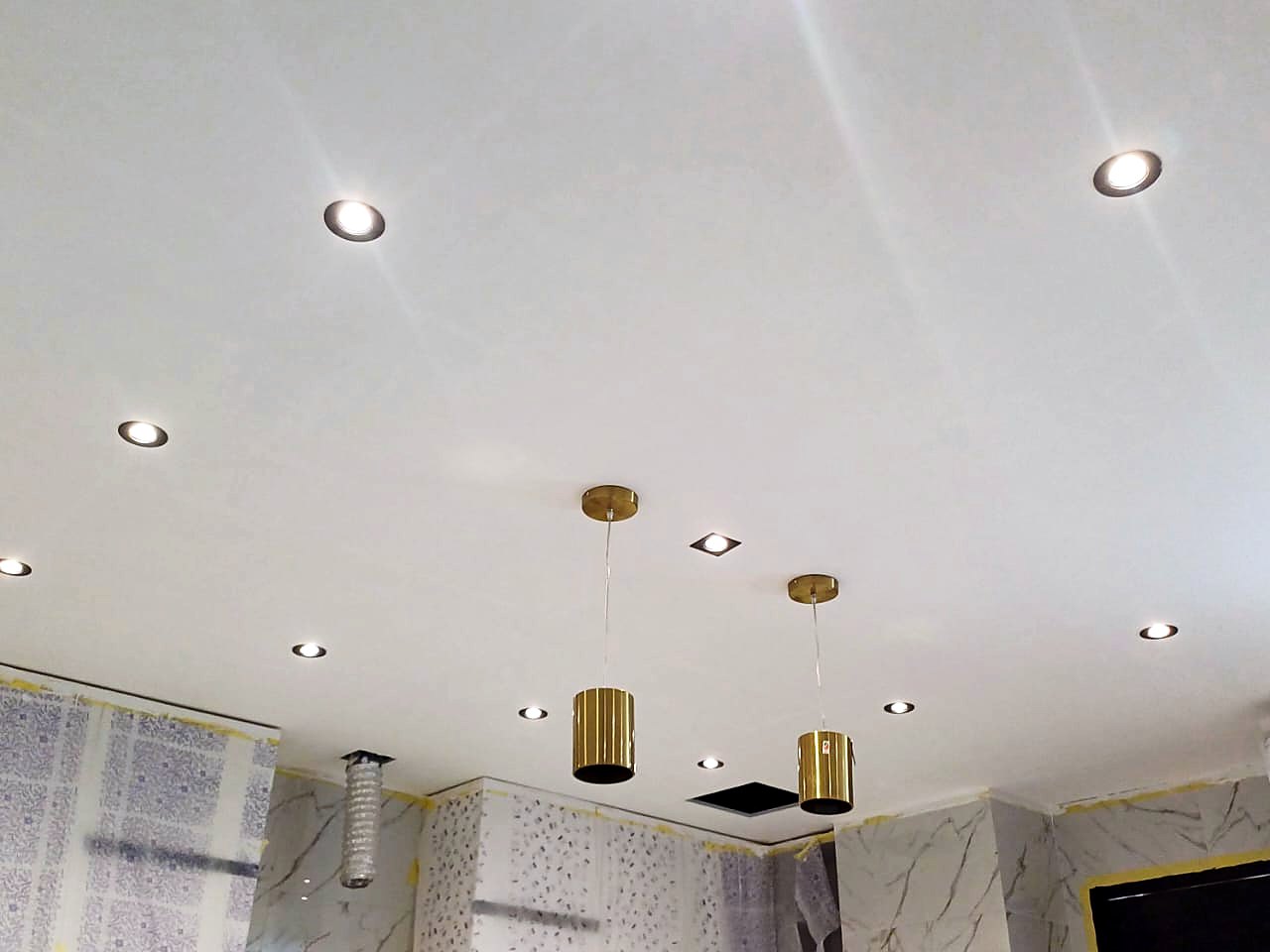
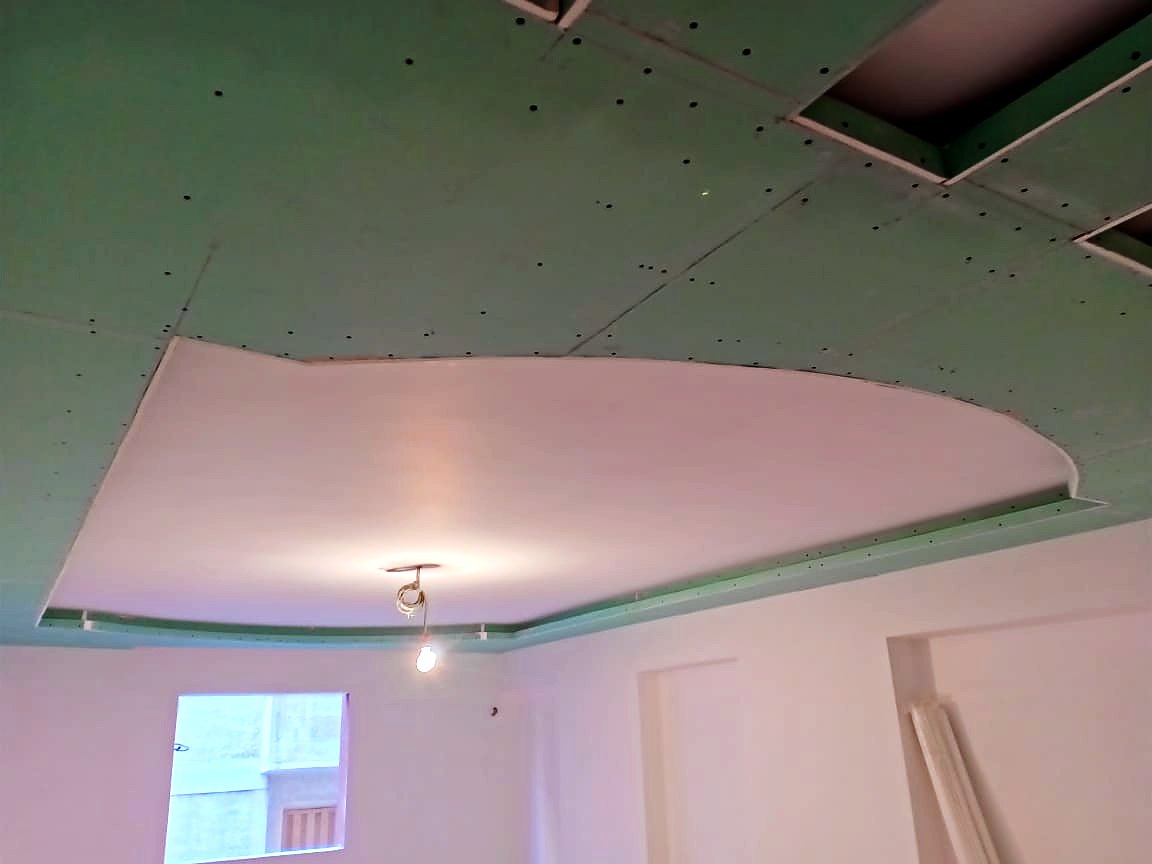
- Ceilings: gypsum board in one or two levels, with a concealed light cove and a cornice, and the chandelier on the centre axis of the room.
- Marble: pale floors with quiet veining, a border around the room or a waterjet-cut inlay at the entrance, and marble skirting. Book-matched marble suits one main wall.
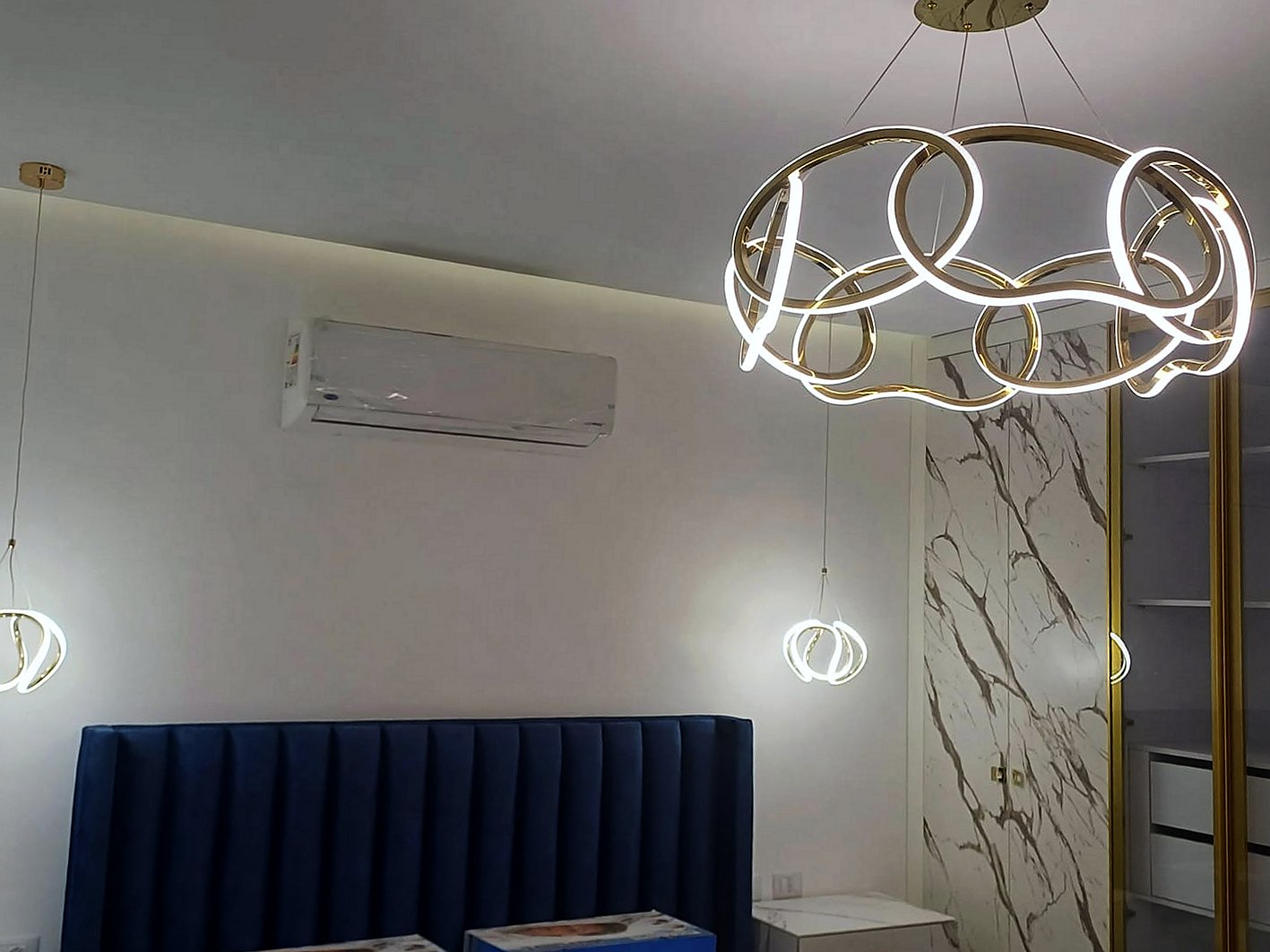
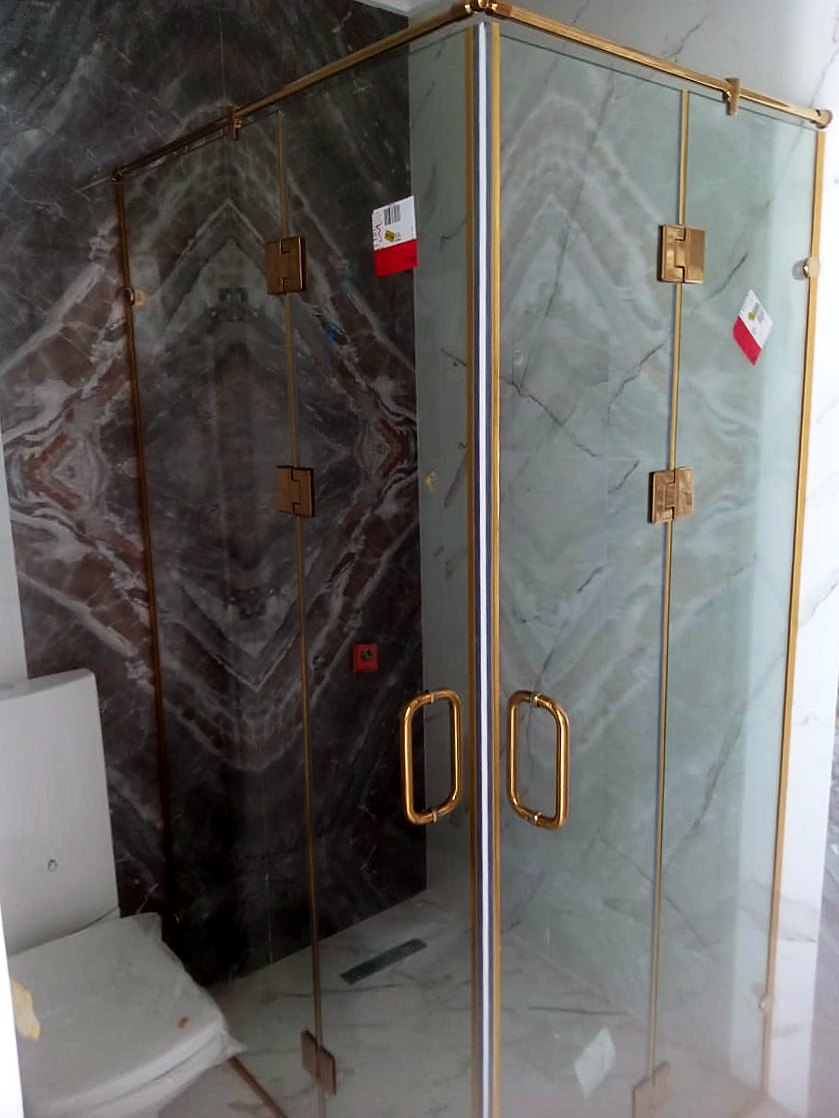
- Brass and bronze: in handles, light fittings and slim strips set into stone or doors, in small amounts and in one metal tone throughout.
- Doors: panelled doors, raised or recessed, with slightly wider frames and architraves than usual, in lacquer or wood veneer.
Proportion: the secret of neo-classic
The most common neo-classic mistake is not the choice of ornament but its size. A deep cornice under a low ceiling makes a room feel smaller; many small panels on a short wall make it busy.
- The higher the ceiling, the deeper the cornice can be; under a low ceiling a slim profile works better.
- Panels are drawn on each wall before work starts, spaced evenly about the centre of the wall and lined up with doors and windows.
- Sockets, switches and air-conditioning grilles go on the same drawing, so none of them cuts through a panel frame or lands in the middle of one.
- Symmetry matters: the chandelier in the centre of the room, the TV wall on a clear axis, and facing doors at the same size.
- Skirting, cornice and door architraves should belong to one family of profiles.
Colour and light
Neo-classic relies on pale, warm colours (off-white, beige, light grey and soft earth tones), with the panels sometimes a shade deeper, or the same colour in a different sheen. Brass or gold appears only in the details.
Light starts with a main chandelier in the centre of the room, supported by concealed light in the ceiling cove, wall lights, and directed light on a marble wall or a painting. Warm light suits the style because it shows marble and wood at their best, and dimming lets one room have more than one mood.
Room by room
- Reception: the natural home of neo-classic. A cornice and a two-level ceiling, a marble floor with a border, a TV wall in marble or panels, and a clear division between the sitting area and the dining area.
- Dining: the chandelier exactly on the axis of the table, panels or framed mirrors on the long wall, and skirting that matches the rest of the reception.
- Bedroom: calmer. A panelled or upholstered wall behind the bed, a simple cornice, warm concealed light, and wardrobes with panelled doors that carry the style.
- Entrance and corridors: a marble floor with a small inlay or border, matching doors, and wall lights rather than rows of spotlights.
- Bathroom: pale marble, a framed mirror and fittings in one metal tone. Choose mouldings that tolerate moisture rather than ordinary gypsum.
Common neo-classic mistakes
- Too much ornament: cornices, panels, mouldings, carving and gold everywhere, until the style turns into crowded classic.
- The wrong scale: a deep cornice under a low ceiling, or large panels in a small room.
- Panels without a drawing: a frame cut by a socket, a switch or an air-conditioning grille.
- Too many metals: gold, brass and chrome in the same room.
- Cool white light that drains warm colours.
- Weak detailing: cornice joints that crack, or panels whose joints show through the paint.
Most of these are solved on paper: a drawing of every wall and ceiling before the gypsum or the painting starts.
How Itmam builds neo-classic
Neo-classic needs the gypsum, painting, joinery, marble and electrical trades to work to one plan, and at Itmam we run them as one job. Doors, wardrobes, kitchens, vanities, metalwork and stone tops are made in our own workshops, and marble is templated, cut and installed by the same team. For floors and walls you can browse our catalogue of 94 stones: marble, granite, quartz and onyx.
Before any work we visit, measure and give you a written, itemised quotation. On a finishing contract you pay each supplier directly, the tax invoice is in your name, and our fee for supervision and execution is agreed in writing before work starts.
Departments for this
Gypsum & Decorative Ceilings
The ceiling is where lighting, air conditioning and joinery all arrive at the same plane, which is why it is the first thing an eye catches when something is out.
See more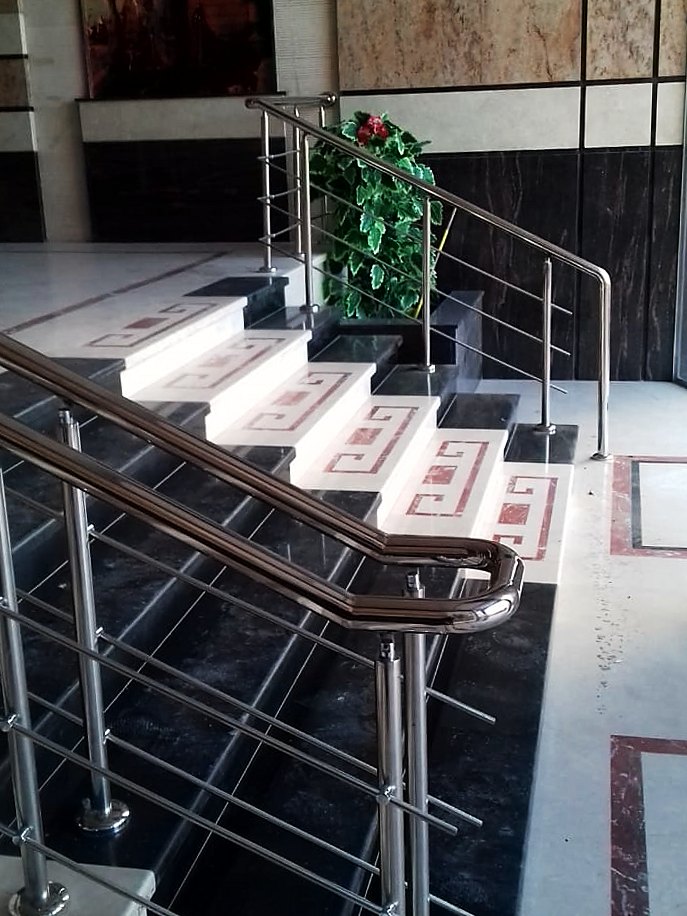
Stone Artwork & Engineered Marble
This is the end of the stone business that is closer to cabinetmaking than to tiling.
See more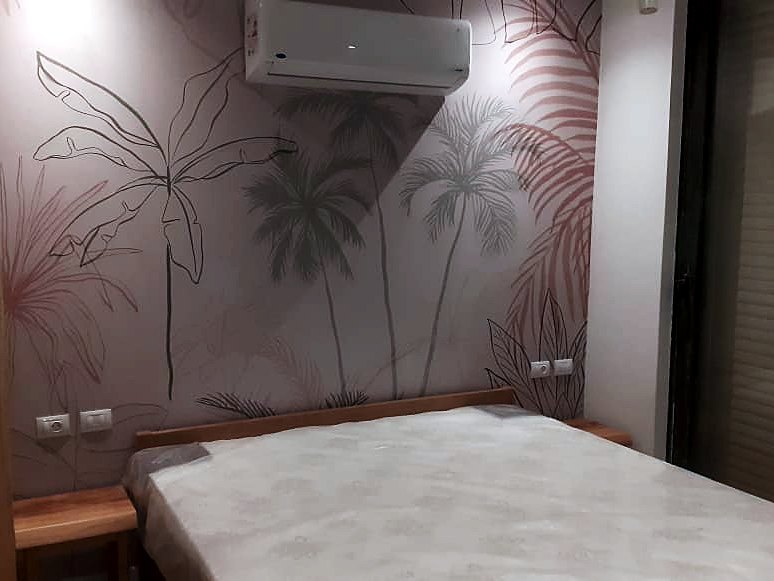
Painting & Decorative Finishes
Paint is the finish everybody judges and the trade everybody rushes.
See more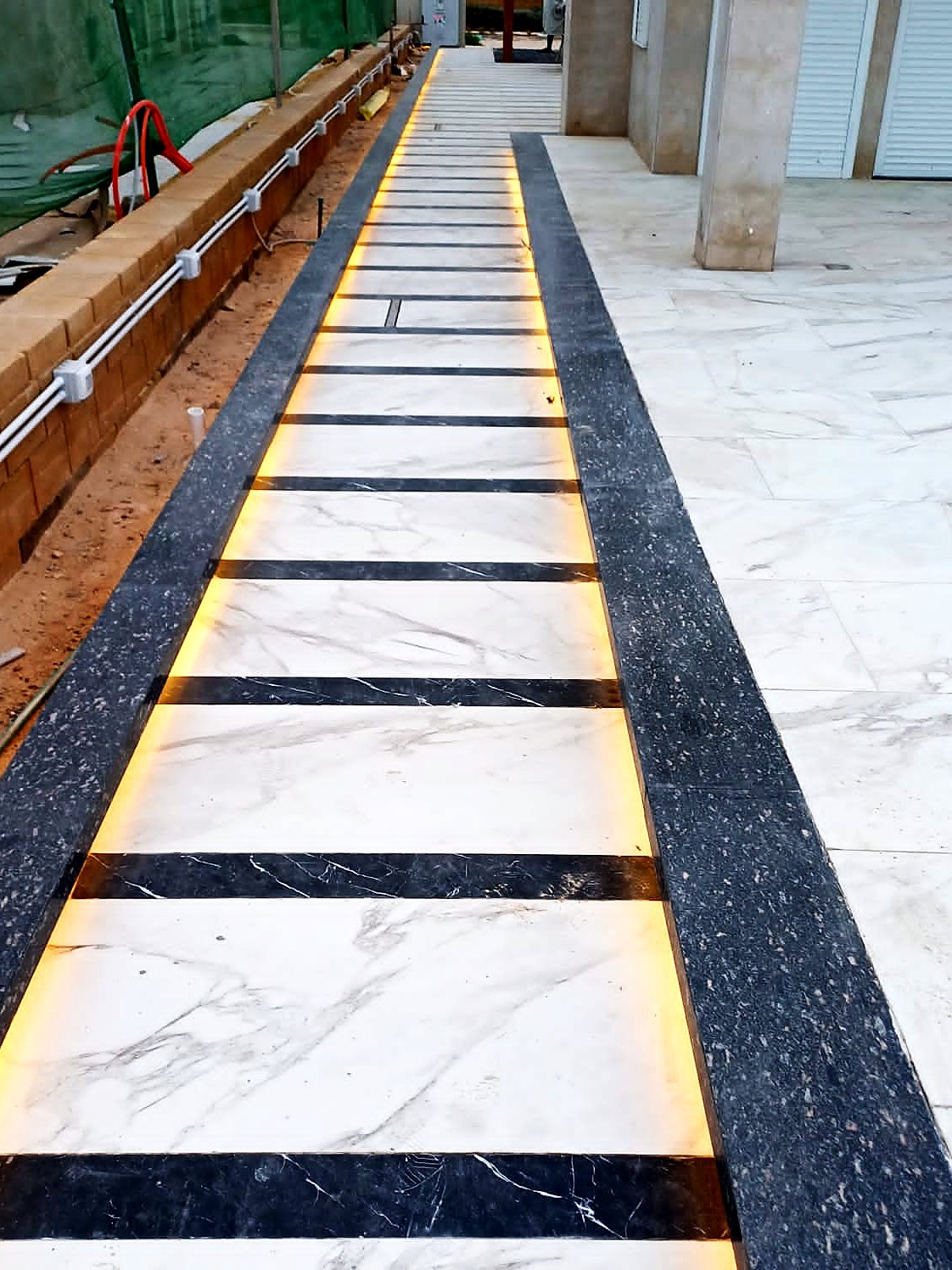
Marble
We buy marble at the block, not off a photograph.
See more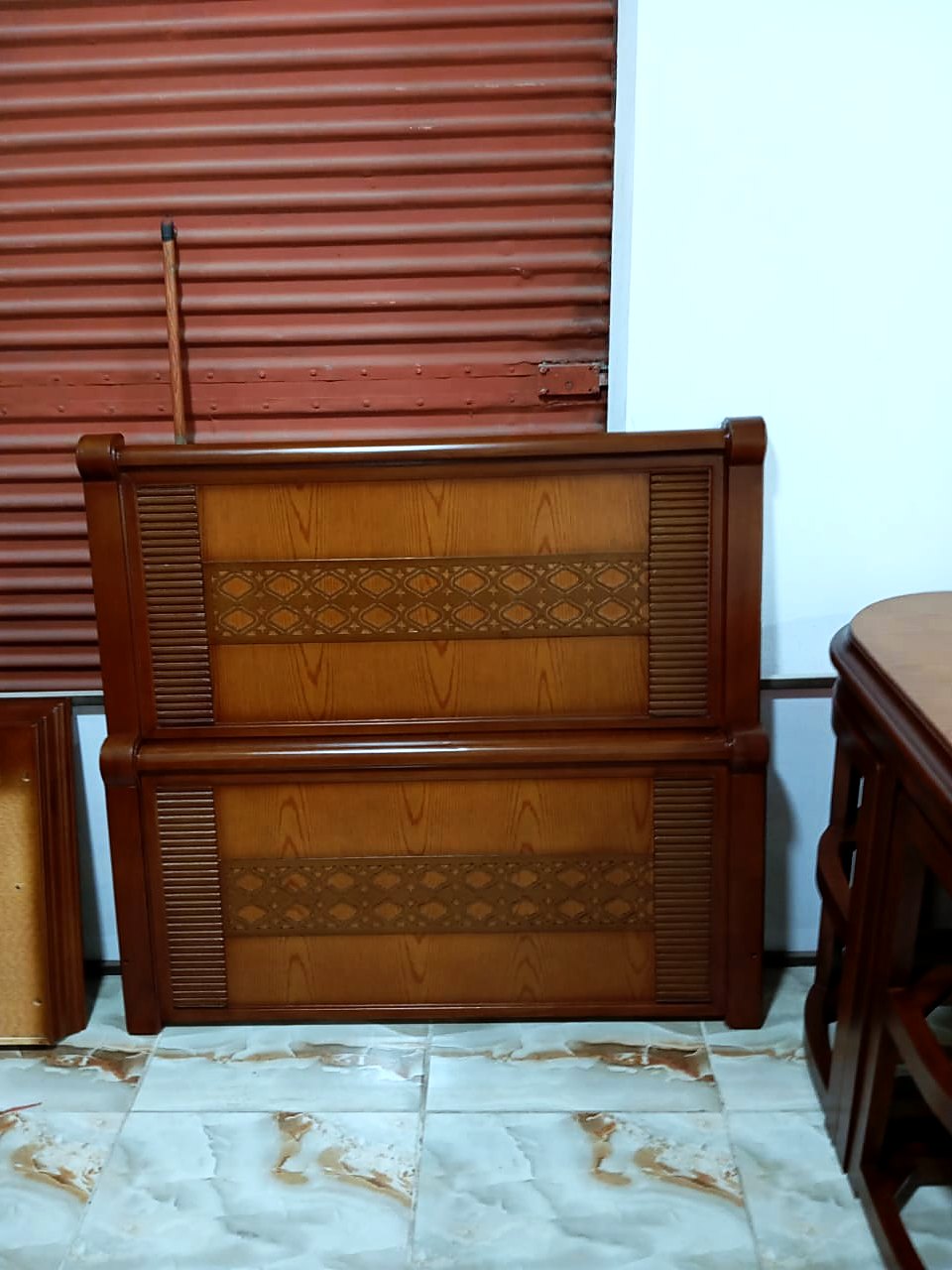
Furniture Manufacturing
We run our own furniture workshop, which means the bed, the wardrobes, the desk and the internal doors of the same villa are cut, jointed, sprayed and delivered by one team on one programme.
See moreBedrooms & Furniture
Fitted furniture is measured in millimetres and judged in reveals.
See moreWork we have done
Photo gallery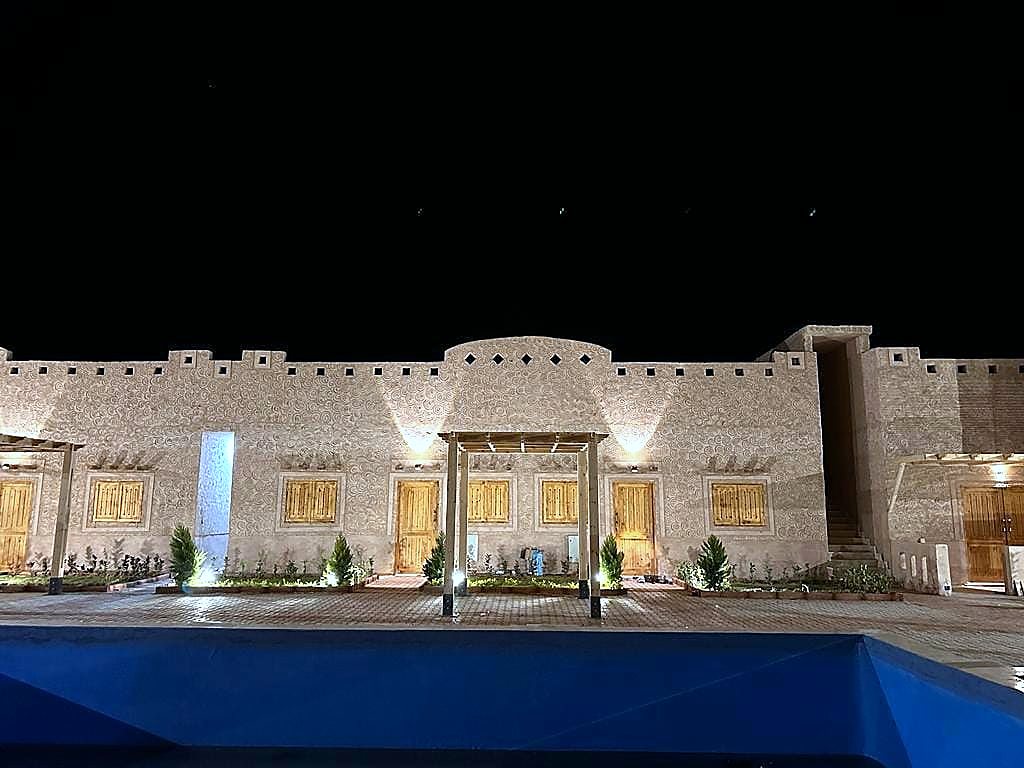
El Moghra
Turnkey build & finish · Desert lodge · Completed
View project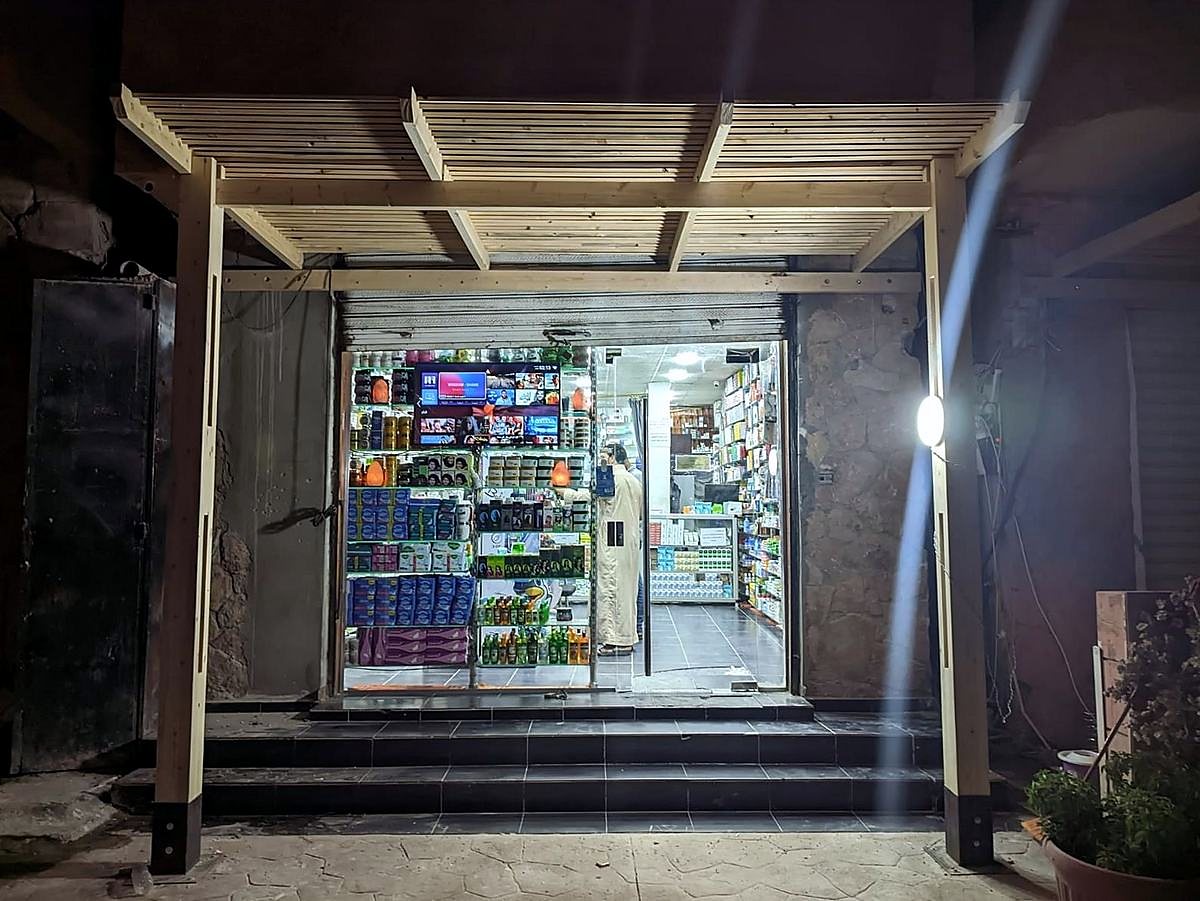
Market Street, Siwa
Façades, pergolas & shopfronts · A street of shops · Completed
View project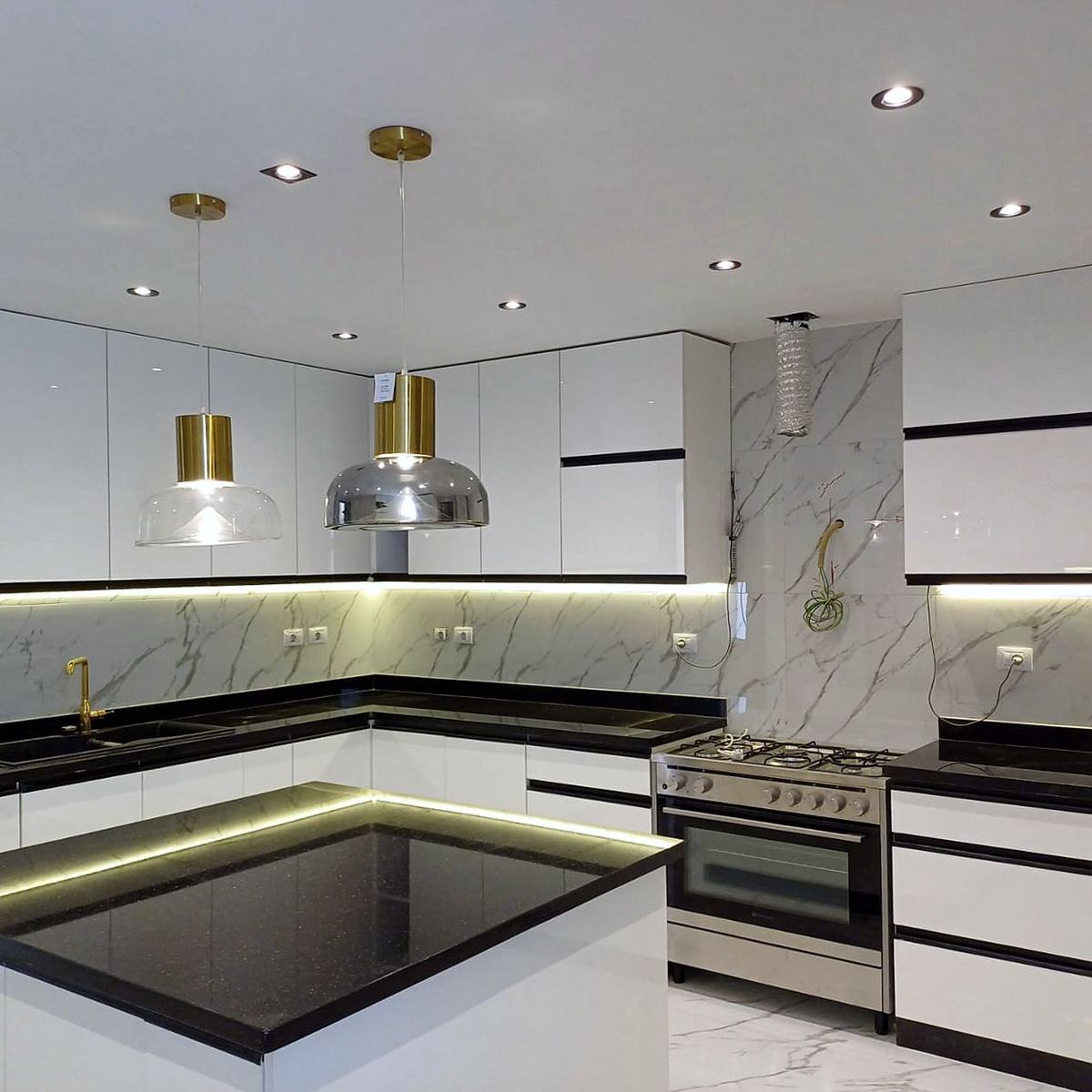
Sea-view Villa — Marble & Brass
Turnkey finishing · Villa · In progress
View projectQuestions people ask
Classic vs neo-classic: what's the difference?
Does neo-classic work in a small flat?
Are wall panels gypsum, wood or foam?
Can I mix modern and neo-classic?
Does a neo-classic ceiling need a minimum height?
What decides the cost of neo-classic decoration?
Read next
Modern interiors
Modern is not just taking the ornament away. It is clean lines, few materials and details built precisely, because simplicity…
See more Decoration · by styleReception rooms and TV walls
The TV wall is the first thing the eye lands on in a reception room, and the wall most easily spoiled by a visible cable or a…
See more Finishing · by propertyVilla finishing, inside and out
A villa is not a large apartment. It has several floors, a stair, a roof, a façade and a garden, and all of them need planning…
See more Supply