Guides · Materials
Finishing by the sea: what lasts and what fails
A finish that lasts for years in Cairo can fail within a few seasons on the North Coast. Salt, humidity, sun, sand and long empty months each attack something different, and the specification has to answer all five.
What the sea actually does
- Salt: the wind carries sea spray inland and it settles on every surface. It speeds up rust on steel, pits aluminium and fixings, and crystallises inside porous stone and plaster, flaking them from within.
- Humidity: damp air swells timber and boards, feeds mould in closed rooms and corrodes electrical contacts.
- Sun: strong sunlight fades paint, yellows resins and plastics, and dries out sealants and rubber seals.
- Sand: wind-blown sand scratches glass and polished stone, fills window tracks and blocks drainage holes.
- Empty months: a closed unit has no airflow, so condensation, smells from dry drains and slow leaks can go unnoticed for weeks.
Metals and fixings
Near the sea, the grade of a metal and its coating matter more than its design.
- Stainless steel: grade 316 resists salt far better than the common 304. Even 316 can show brown tea-staining if the salt is never washed off, so rinse it with fresh water from time to time.
- Steel: hot-dip galvanised, then painted on top for a longer life. The zinc protects the steel by slowly wearing away, and it wears faster in salt air. Cuts, drill holes and welds must be treated after fabrication.
- Aluminium: a powder coating rated for seaside exposure, applied over proper pre-treatment. An ordinary coating can blister and peel near the sea, starting at cut edges and scratches.
- Mixed metals: where two different metals touch and stay wet, one of them corrodes faster. Separate them with isolating washers or gaskets.
- Hardware: hinges, handles, locks and screws in marine-grade stainless steel. One ordinary screw that rusts will stain the frame around it.
Windows, doors and shutters
The best coastal windows are the ones that drain well and are built from coastal-grade parts; the profile material comes second.
Aluminium with a seaside-class powder coating and stainless hardware performs well, and so does UPVC with profiles made for strong sun, which cannot rust. Whatever the material, salt water trapped inside a frame is what destroys it: the drainage slots must be designed in, kept clear of sand and checked every season.
Sliding windows and doors collect sand in their tracks, which wears the rollers and seals. Shutters protect the glass through the empty months and cut heat in summer; specify coated slats with stainless or coated fittings, and rinse them like any other metal.
Wood, kitchens and wardrobes
Solid wood moves with humidity and needs a sealed finish on every face; moisture-resistant boards are the safer base for fitted joinery near the sea.
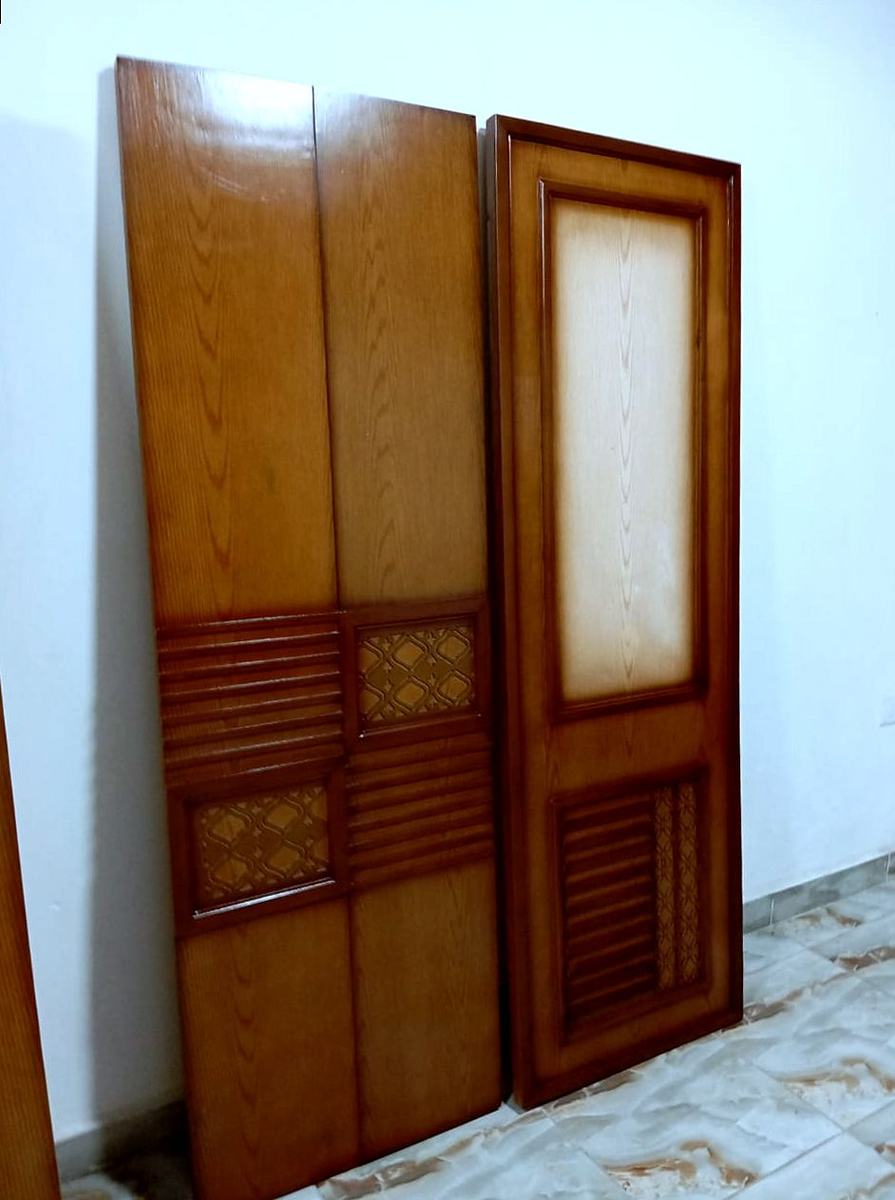
Kitchens, wardrobes and vanities in a chalet should be built on moisture-resistant carcasses, with every edge banded and every cut-out sealed, including the backs and the holes for pipes. Raw edges are where water gets in and boards swell. HPL fronts cope well with humidity and cleaning.
Use hinges and drawer runners in stainless or coated metal, and leave a gap behind units on outside walls so air can move. Outside, timber decks need regular oiling; WPC decking needs no varnish, but dark colours get hot in the sun.
Stone and floors, inside and out
Outside, choose granite or outdoor-rated porcelain with a textured finish; inside, almost any good floor works if sand is easy to clean off it.
- Terraces and pool surrounds: flamed or bush-hammered granite, or porcelain made for outdoor use, for grip when wet. Light colours stay cooler underfoot.
- Marble outside: possible with a honed or textured finish, but polished marble loses its shine and becomes slippery. Seal porous stone so salt does not crystallise inside it.
- Quartz: indoors and away from strong sun only, because its resin can yellow and fade.
- Indoors: porcelain and honed stone hide sand scratches better than high-gloss finishes.
- Mortar and plaster: made with washed sand. Unwashed sand from the coast carries salt into the walls, which later shows as white deposits and flaking paint.
Paint, electrics and AC
- External paint: a complete system of primer and exterior paint suited to the coast, applied on dry walls washed clean of salt. Anti-fungal additives help in damp, shaded corners.
- The electrical panel: earth-leakage protection, and surge protection is worth considering where the supply is unstable.
- Outdoor sockets and lights: fittings rated for outdoor use and sealed against water and dust.
- Separate circuits for whatever must stay on through the empty months, such as a fridge or an alarm, so everything else can be switched off.
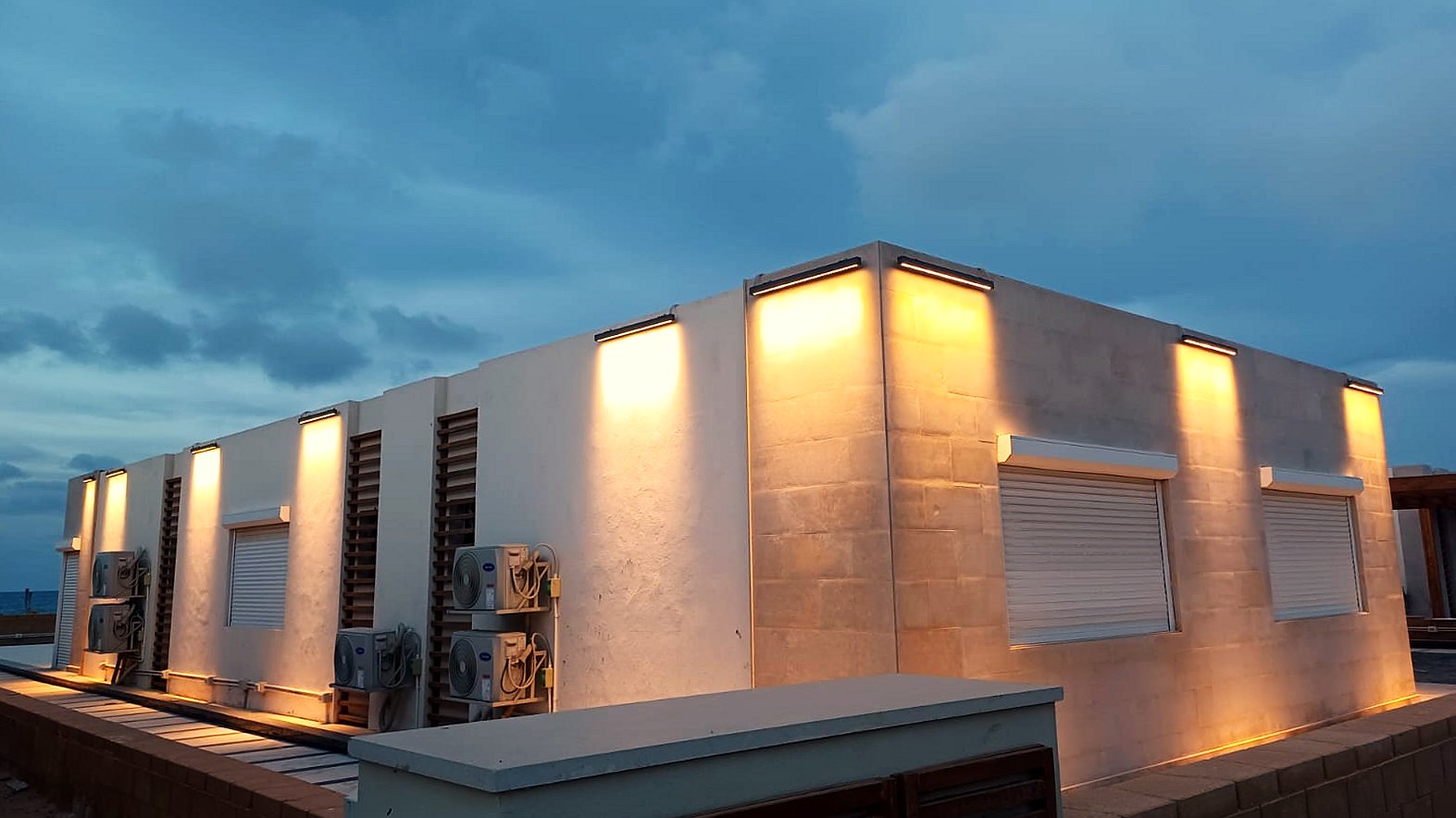
- AC outdoor units: coils with an anti-corrosion coating where available, stainless or galvanised brackets, and a fresh-water rinse of the coil at the end of the season.
- Plumbing: a main shut-off valve that is easy to reach, so the water can be closed when you leave.
Closing and opening for the season
Rinse the salt off
Wash outdoor metal, window frames, shutters and the AC outdoor unit with fresh water before you leave.
Clean the tracks and drains
Vacuum sand out of window and door tracks, and clear the drainage slots and terrace drains.
Water off
Close the main valve and switch off the water heater.
Power down
Switch off every circuit that does not need to run, and leave on only what must stay on.
Let it breathe
Leave wardrobe and cupboard doors ajar, prop the fridge open if it is switched off, and close the shutters against sun and sand.
On return, air it first
Open windows and doors, and look for damp patches, mould or water marks on ceilings and behind furniture.
Water back on
Open the main valve, run every tap for a few minutes, and pour water into floor drains to refill the traps and stop smells.
Power and AC
Switch the circuits on one at a time, then run each AC unit and check its drain.
Catch rust early
Check fixings, railings and frames for rust spots or blistered paint, and treat them now, while they are small.
How Itmam builds for the coast
We work along the North Coast, and the specification changes there: seaside-class powder coating, 316 stainless fixings, hot-dip galvanised steel, marine-grade hardware and moisture-hardened carcasses for fitted joinery.
Kitchens, wardrobes, doors, vanities, metalwork and stone tops come from our own workshops, so the coastal specification is set where the pieces are made. Every job starts with a site visit and a written, itemised quotation that names the materials line by line.
Departments for this
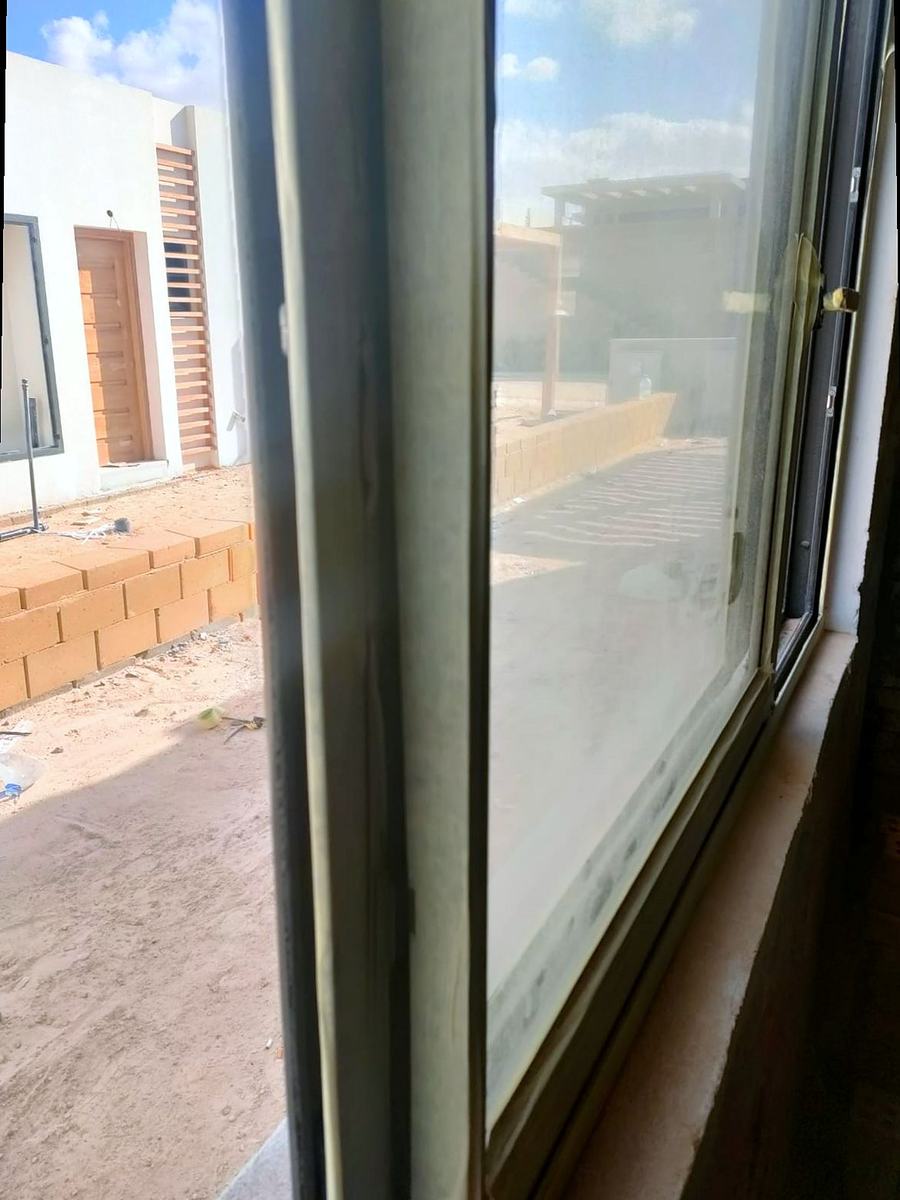
Windows & Doors
The window is the most expensive mistake in an Egyptian villa.
See moreShutters & Sun Control
In Sahel the sun is the main structural load on a room.
See more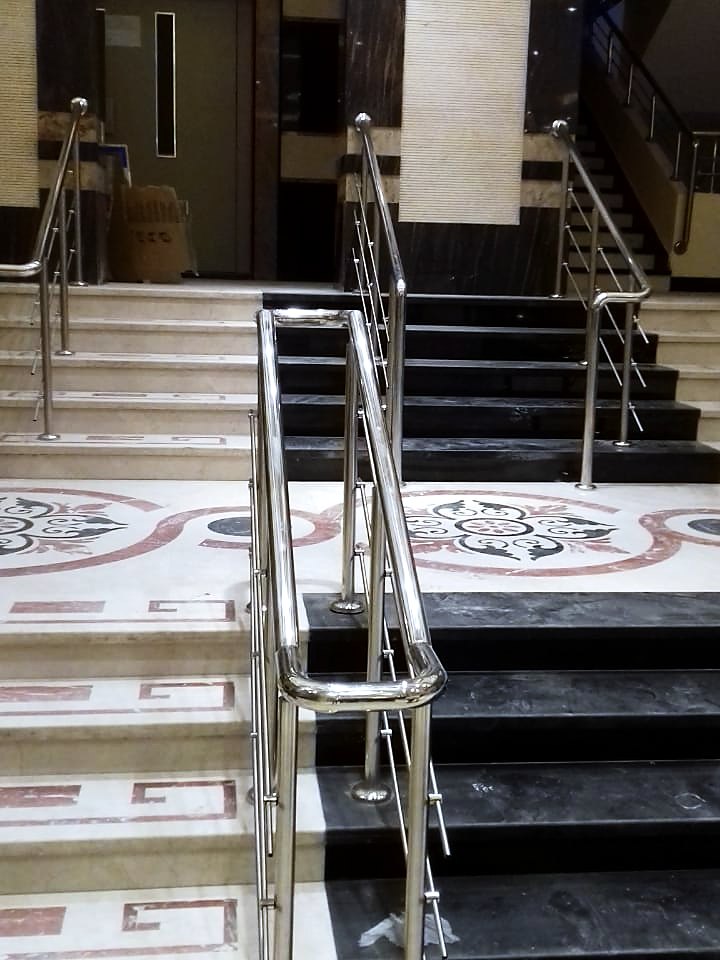
Steel & Ironwork
Metalwork is where a house gets its lines.
See more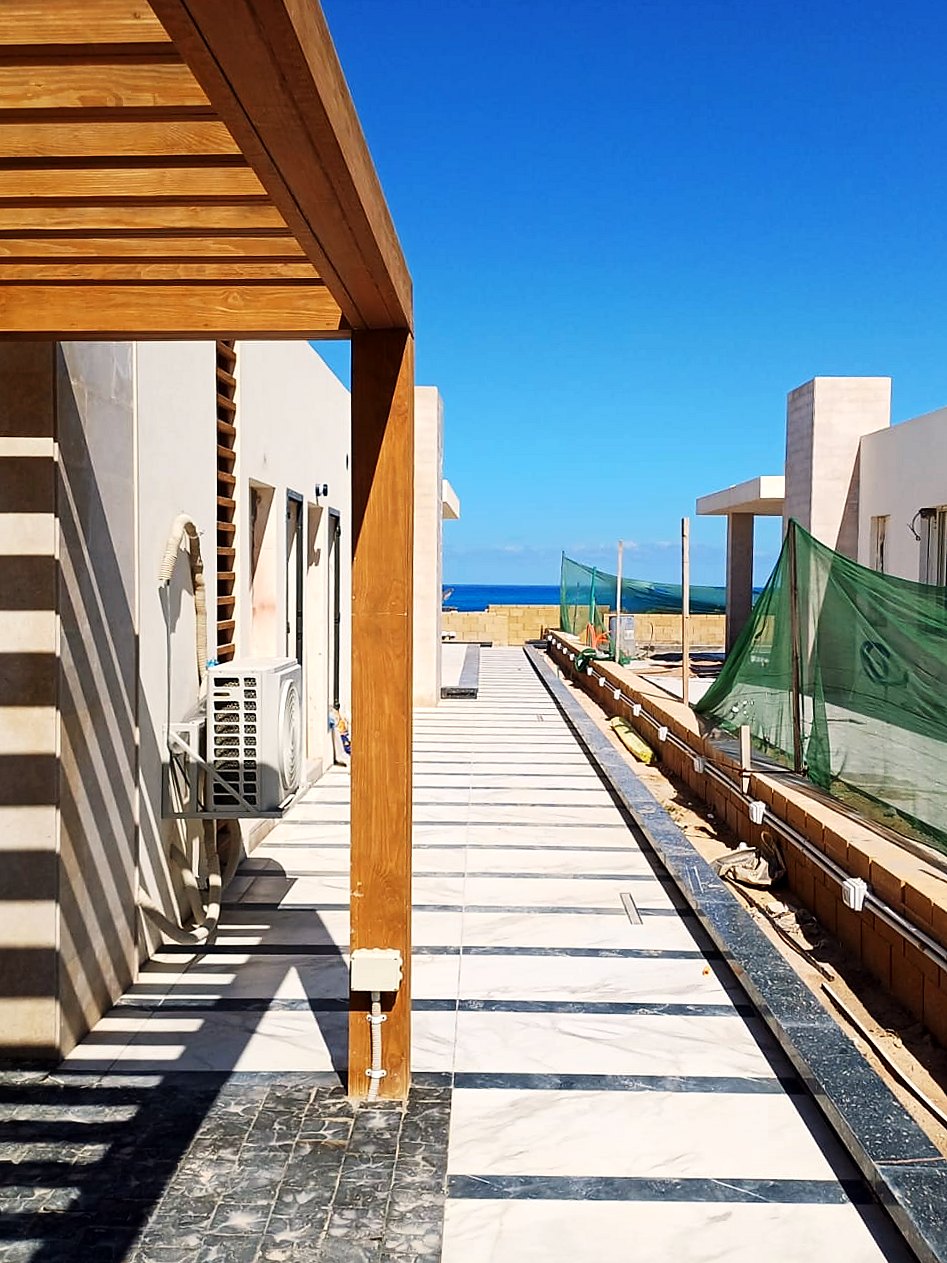
Outdoor & Terraces
In a North Coast chalet the terrace is the house.
See more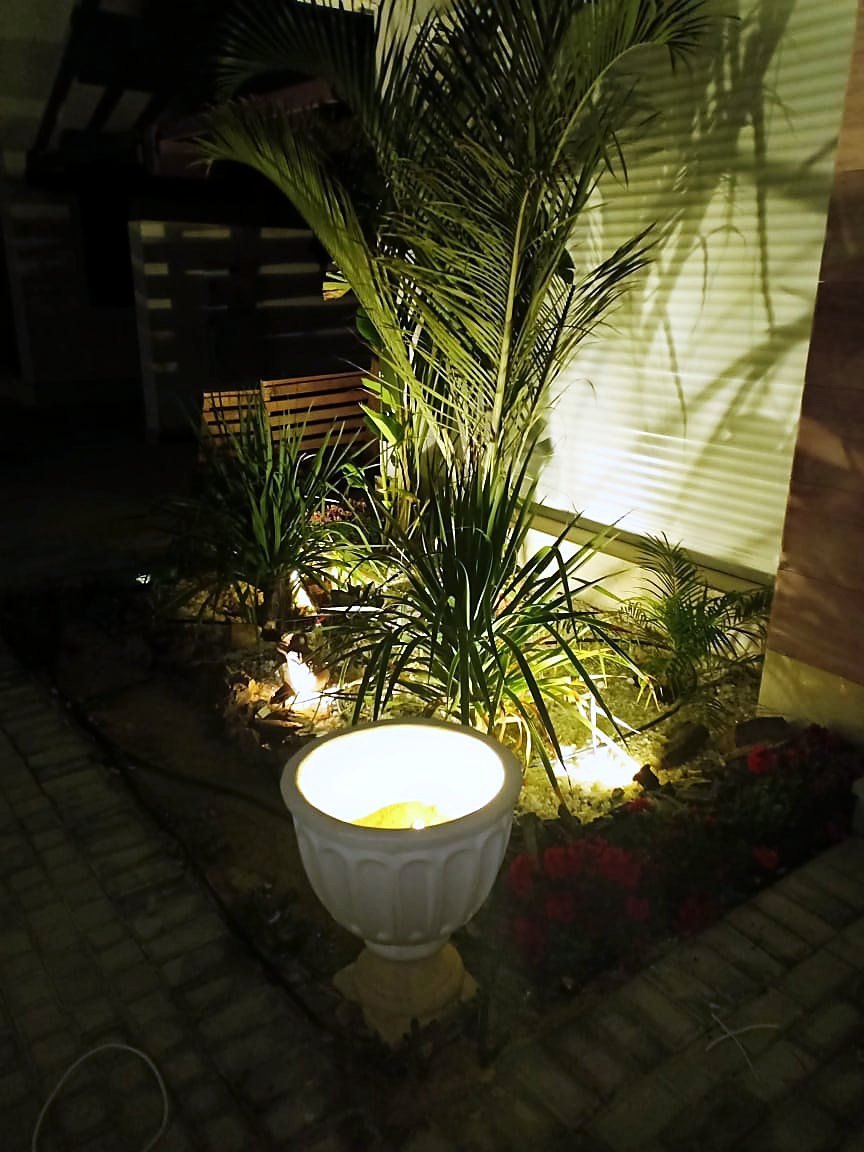
Electrical & Smart Home
Electrics are invisible until they are a problem.
See moreWork we have done
Photo gallery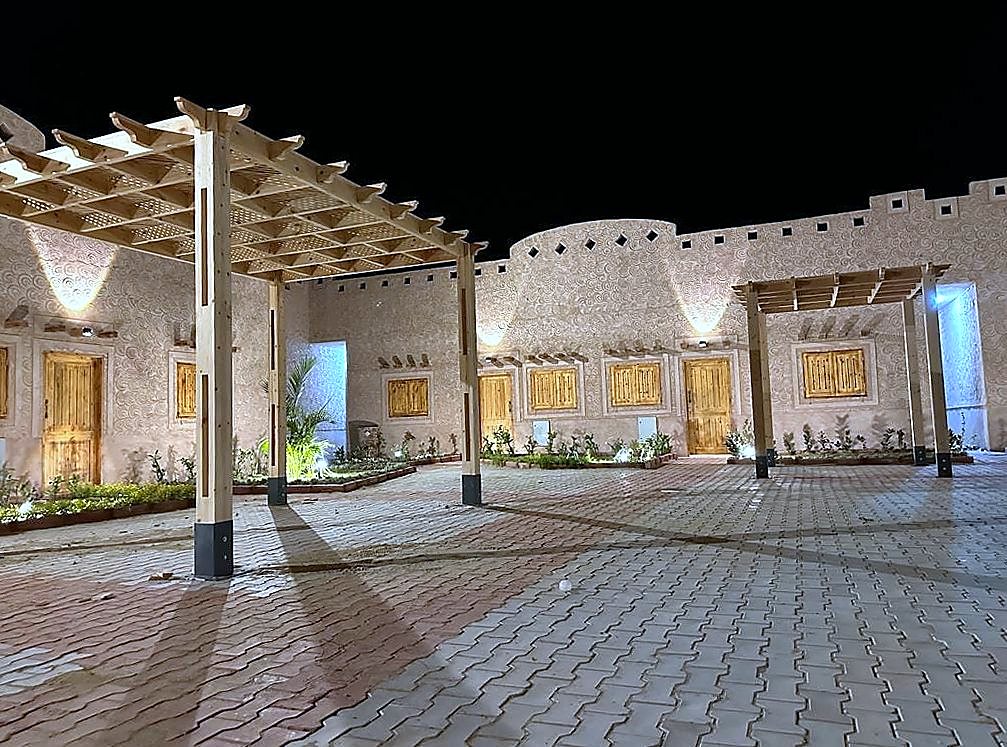
El Moghra
Turnkey build & finish · Desert lodge · Completed
View project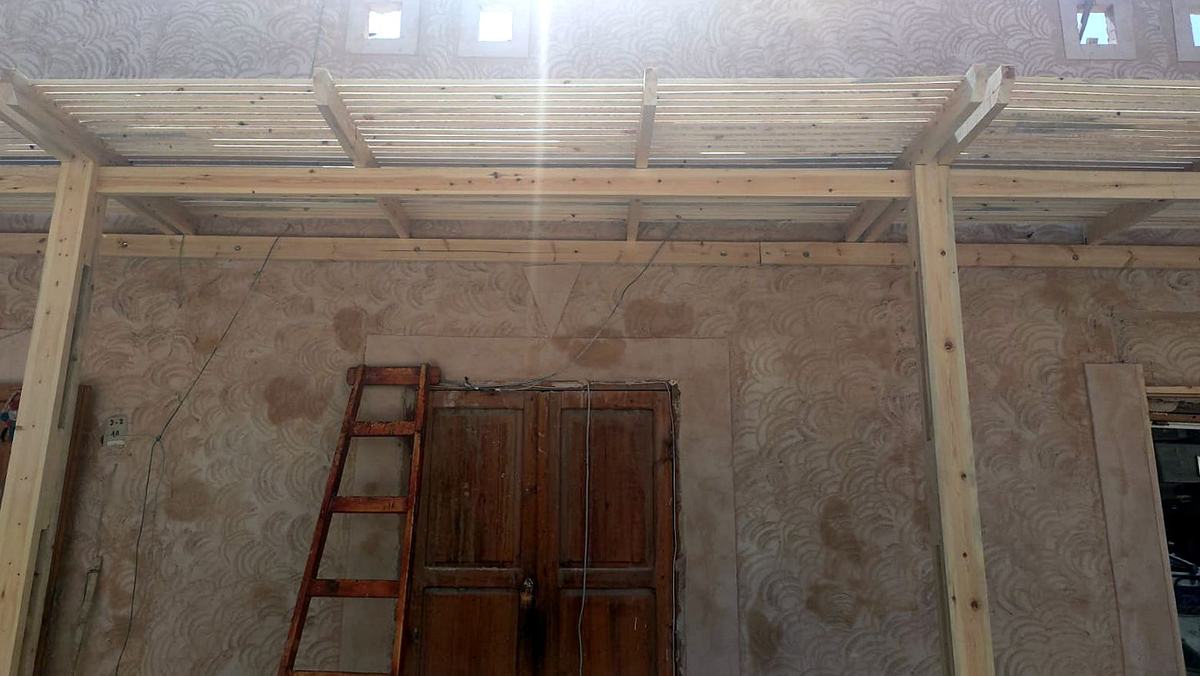
Market Street, Siwa
Façades, pergolas & shopfronts · A street of shops · Completed
View project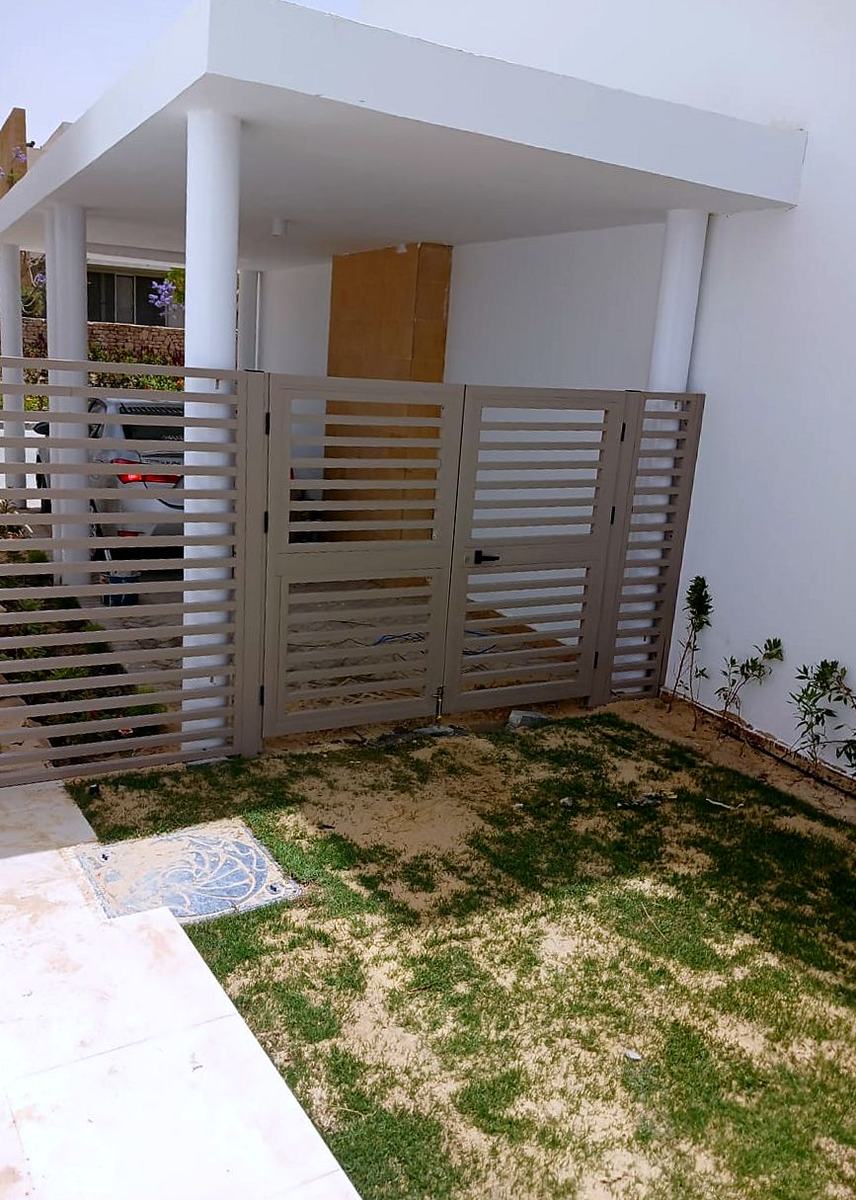
Sea-view Villa — Marble & Brass
Turnkey finishing · Villa · In progress
View projectQuestions people ask
What window material is best on the coast?
Does galvanised steel rust by the sea?
Can I use marble on a chalet terrace?
Does solid wood cope with coastal humidity?
How do I protect the electrics in a closed chalet?
Can I use quartz in a chalet?
Read next
North Coast (Sahel)
See more Finishing · by propertyChalet finishing by the sea
A chalet is lived in for a few weeks a year and shut for the rest, next to a sea that brings salt, damp and sand. Finishing it…
See more Finishing · exteriorsVilla façades
The façade is the first thing anyone sees of a villa, and the part that faces the sun, rain and salt every day. Here are the…
See more Guides · MaterialsMarble, granite or quartz?
All three look beautiful on the first day. The difference shows years later, in a kitchen with lemons, on a stair with sand on…
See more