
Areas · Alexandria
Contracting company in Alexandria: from land to finishing
Before you sign with a contracting company in Alexandria, know the order of the work and what protects each stage: the soil report before the drawings, the licence before digging, the rebar checked before the pour. Here is what matters when you build over groundwater and near the sea, how the contracting models differ, and how to compare quotes and check the site. Itmam is a finishing and supply company from Alexandria, and we build too: from land to handover under one contract.
Building from land in Alexandria: the right order
Building from land follows a fixed order in which each stage rests on the one before, so a mistake at the start is paid for in everything after it.
Soil report
Boreholes and a soil report from a specialist before anything is drawn. It tells you the type and depth of foundation, the groundwater level and the salts in the soil. The foundation follows the report, not what was built on the plot next door.
Drawings
Architectural, structural and MEP drawings from a licensed engineering office. The structural engineer sets the foundations, columns and slabs, the cement type and the concrete cover; the contractor builds to the drawings and does not change them.
Licence
The building licence comes before digging, not after. What is needed varies with the area, the plot and the type of building, so ask the district office that covers your site for the requirements in writing before you commit to anything, and do not rely on what your neighbour was told.
Excavation and foundations
Setting out, digging to the level on the drawings, then the blinding concrete, the footings or raft and the tie beams, and waterproofing of the buried concrete as specified.
Concrete frame
Columns and slabs floor by floor, with the rebar checked before every pour and test cubes taken from every pour.
Walls and roof
Red brick or block walls, then a roof laid to falls with waterproofing, insulation and a flood test, so the building is watertight before any internal finishing.
Finishing
Electrical and plumbing first fix, then plaster, floors, gypsum, joinery and paint, as our finishing-steps guide explains.
Groundwater and sea air: what protects the concrete and the steel?
Concrete in Alexandria faces two different threats: salts and groundwater below ground on many sites, and salty air above ground that reaches the steel if the concrete cover is not enough.
- Sulphate-resisting cement belongs in concrete that touches salty ground or groundwater, such as footings, ground beams and buried tanks, and the decision is the structural engineer’s, based on the soil report. It resists sulphates in the ground, but on its own it does not protect the steel from sea air.
- Concrete cover is the thickness of concrete between the steel and the outer surface, set by the engineer according to the code and how exposed each element is. On site it is held with concrete spacers under and beside the bars, so the steel never touches the formwork.
- Dense concrete: no extra water is added on site to make pouring easier, because extra water weakens the concrete and opens its pores, so salt reaches the steel sooner.
- Sand: washed and clean, and no sea sand in any concrete or mortar with steel in it, because its salts corrode the steel from inside.
- Rebar storage: on timber bearers off the ground and covered, away from sand and water. A light, tight rust is normal; flaking scale and pitting are not.
- Digging below the water table: if water appears in the excavation, the engineer decides how it is pumped out and how the foundations are waterproofed before the day of the pour, not on it.
Labour only, labour and materials, or a management fee?
The contracting model decides who buys the material and who carries any change in its price, so understand it before you compare any figure.
| Model | How it works | Its advantage | Watch out for |
|---|---|---|---|
| Labour only | You buy the materials; the contractor provides the labour and the work | You choose the material and its source yourself | Buying, quantities, waste and dates are on you, and any late material stops the site |
| Labour and materials (lump sum) | One price per item or for the whole building; the contractor buys everything | You know the total from the start | A vague specification lets lesser material in, and the contractor prices any change |
| Management fee | You pay each supplier directly at their price; the contractor takes an agreed fee | Invoices in your name and no hidden margin on materials | What the fee covers, and what it does not, must be written down clearly |
Ours is the third model: you pay suppliers directly with the tax invoice in your name, and our fee is agreed in writing before we begin. Our finishing-contract guide explains the clauses in any contract to check before you sign.
How to compare contractors’ quotes: the BOQ line by line
Compare quotes on one bill of quantities (BOQ) with the same items, quantities and specifications, because a total on its own does not tell you what you will receive.
- The BOQ: every item with its description, unit, quantity and specification, not a line that says “complete shell”.
- Concrete: the strength required by the drawings, the cement type in the foundations and in the rest of the frame, and whether it is ready-mix or mixed on site.
- Rebar: the diameters and grade on the drawings, the quantity from the bending schedule, and who provides the mill test certificate.
- What each item includes: digging and removing the spoil, pumping out water, formwork, waterproofing, cube tests and debris.
- Quotes per square metre: if the quote is a rate per metre of floor area, ask exactly what it includes and what is charged separately, because two quotes with the same name can differ in half their items.
- Payments: tied to stages that are finished and checked, not to dates on the calendar.
- Exclusions: everything the quote does not cover, written by name, so it does not surprise you halfway through.
A lower figure can mean a missing item or a lesser specification, so ask why the quotes differ before you choose. Our BOQ guide explains each line.
Site supervision: what to check before and after every pour
The most important moment in a concrete frame is the time before the pour, because once concrete is poured it can only be checked by breaking it.
Rebar before the pour
Diameters, numbers, spacing, lap lengths and stirrups match the drawings, the bars are clean of mud and oil, and the spacers are in place. The pour does not start until the supervising engineer has approved the reinforcement.
Formwork
Clean and tight so no cement slurry leaks out, plumb and well propped, with the openings for pipes in the slab set before the pour, not broken out afterwards.
During the pour
The ready-mix delivery ticket matches what was ordered, a slump test, test cubes taken, vibration without overdoing it, and no water added to the mix on site.
Curing
The concrete is kept damp by spraying or covering for several days after the pour, especially in heat and wind, because fast drying causes cracks and weakens the surface. The curing period and striking the formwork are the engineer’s decision.
Cube results
Cubes are usually crushed at 7 and 28 days, and the results are kept in writing with the rebar certificates in the building’s file.
A shell standing for years, or an extra floor: check before you continue
A frame that has stood unfinished for years, or a building you plan to build on, is checked before it is continued, because concrete exposed to sea air can suffer without it showing from a distance.
- Starter bars: the column steel standing above the roof; if it is badly rusted or pitted, a structural engineer decides how it is treated or extended.
- The concrete: cracks running along the bars, or flaking pieces, are signs of rust inside, and are assessed before anything is built on top.
- Tests: the engineer decides what is needed, such as taking concrete cores, and writes a report on what needs repair or strengthening.
- An extra floor is built only after a structural check of what will carry it, and after confirming with the district office that the floor is allowed and licensed. Extra load on a building that was not designed for it puts every resident at risk.
With us: we survey what is there, test the concrete and price the repairs clearly before we continue.
Itmam and contracting in Alexandria
Itmam is a finishing, decoration and supply company from Alexandria: head office in El Ibrahimya, marble and granite showroom in El Deresa, Moharram Bey. We work in finishing, decoration and supply, and we build too: from land to handover under one contract.
The drawings come from a consultant we work with or from your own, and the foundation follows the soil report. We prepare and follow the building licence file with the relevant authority, and confirm in writing what your plot needs before you commit. The steel is checked before every pour, and the cube results are handed to you.
Kitchens, wardrobes, doors, vanities, metalwork and stone tops are made in our own workshops. Supply-only is available for shell materials if you have your own contractor: cement, rebar, bricks and blocks, and sand.
We visit, measure and give you a written, itemised quotation before work starts. On a finishing contract you pay each supplier directly at their price, and the tax invoice is in your name; our management fee for supervision and execution is agreed in writing before we begin, and we add nothing to the price of materials.
Itmam was founded in 2016, with 20+ years in the trade. Call or WhatsApp us on +20 106 926 2572, Saturday to Thursday, 09:00 to 18:00.
Departments for this
Build From Land
Most people who buy a plot in Egypt become their own main contractor by accident — a mason through a cousin, a plumber who comes when he can, a carpenter who turns up after the tiles are already down, and fifteen invoices nobody reconciles.
See more
Cement
You can buy cement from us by the bag, by the pallet or by the bulk tanker without hiring us to build anything.
See moreSteel & Rebar
Reinforcement steel leaves our yard by the tonne, cut and bent to your own bar bending schedule if you want it, with no obligation to let us pour a single column.
See moreBlocks & Bricks
Blocks and bricks go out by the pallet, the thousand or the lorry load to whoever is building, with no requirement that we lay a single one.
See more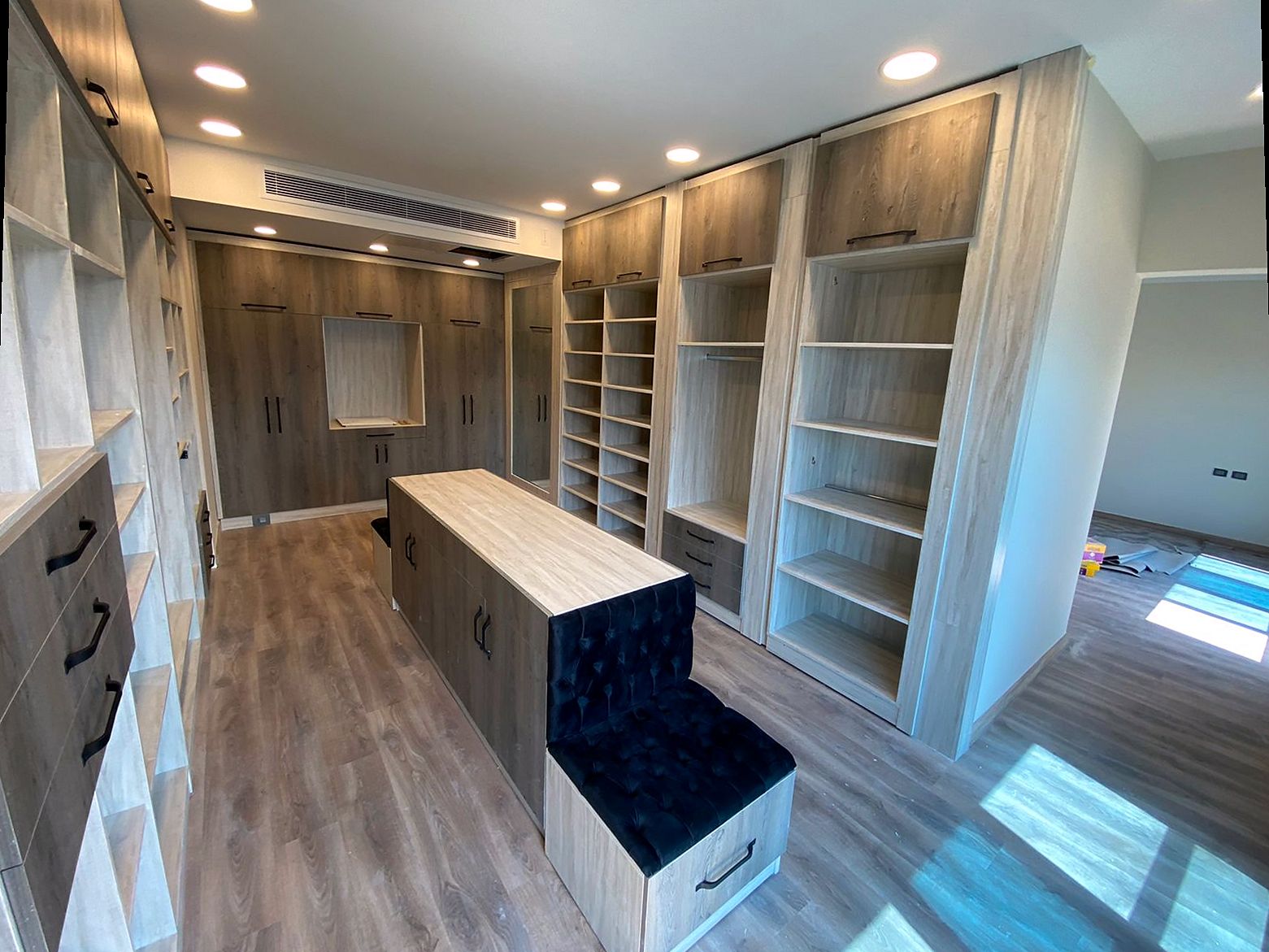
Full Home Renovation
This is the contract most of our clients actually want: one company, one programme, one written quotation.
See moreWork we have done
Photo gallery

Questions people ask
How do I choose a contracting company in Alexandria?
Where does building a residential block start?
Is a labour-only builder better than one who supplies materials?
Do foundations in Alexandria need sulphate-resisting cement?
Are you a contracting and supply company? Can you supply just the rebar and cement?
How much does building cost per square metre?
Read next
Alexandria
See more Areas · AlexandriaBuilding materials supply in Alexandria, from cement to tiles
Building materials supply in Alexandria goes well when you know exactly what to order, what to check the moment it arrives, and…
See more Finishing · by propertyBuilding finishing, from lobby to roof
Finishing a building is not finishing one flat multiplied by the number of floors. There are shared areas every resident uses…
See more Guides · before you signThe finishing contract, clause by clause
Most finishing disputes start with something the contract did not say. This is a general checklist of the clauses an owner…
See more Guides · Before you startThe finishing BOQ: every line that should be written down
A muqaysa, or bill of quantities, lists every job and material in your finish with its unit and specification. Read properly, it…
See more Guides · During the workFinishing a flat, step by step
Finishing has a right order, and most expensive mistakes come from breaking it. Here is the sequence from bare walls to…
See more Finishing · by current stateFrom red brick to keys
Took handover of a unit in red brick? Then everything is still ahead of you, and this is the best moment to make the decisions…
See more Finishing · elementsRoof and bathroom waterproofing
Waterproofing is a layer nobody sees once the finishing is done, which is why its mistakes show late: a stain on the neighbour’s…
See more Supply · Quantity calculatorHow many bricks, bags of cement and m³ of sand do you need?
Bricks, cement and sand are worked out from the area of the work, its thickness and the mix in the specification, not guessed.…
See more