Interiors & joinery
Painting & Decorative Finishes
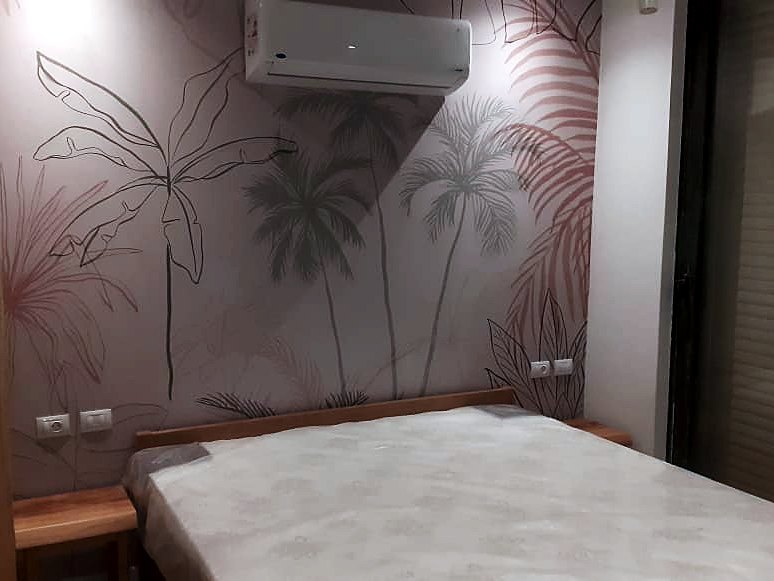
Paint is the finish everybody judges and the trade everybody rushes. Most of a good wall happens before any colour appears: filling, sanding, stabilising, priming and checking the surface with a lamp held flat against it. We work to a system — substrate, putty, primer, then finish coats — and where a wall is meant to be an event rather than a background, it goes to the decorative crew for Venetian plaster, micro-cement, metallic glaze or a painted mural.
Scope of works
What we actually do.
Everything below happens inside our business — no subcontracted links in the chain.
- 01
Preparation & substrate
The part everyone skips. Old coatings tested for adhesion, chalky and flaking paint stripped back, cracks cut out and filled, damp traced to its source rather than sealed over, and every surface stabilised before a primer is opened.
- 02
Putty, skim & priming
Two to three coats of putty, sanded flat and checked under raking light, then a primer chosen for what is underneath — alkali-resistant on fresh plaster, bonding primer on glossy or previously enamelled surfaces.
- 03
Emulsion & enamel systems
Matt, silk and scrubbable emulsions on walls and ceilings, and acrylic or polyurethane enamel on doors, frames and joinery, sprayed or laid off by hand with the substrate sanded between coats.
- 04
Decorative finishes & murals
Venetian plaster and stucco burnished to a polish, micro-cement on walls and floors, textured and metallic finishes, and hand-painted murals or feature panels drawn to scale before anyone touches the wall.
- 05
Exterior & coastal coatings
Render repair, alkali-resistant primer and elastomeric or silicone-based topcoats on external walls, specified for UV, wind-driven rain and the salt load that strips ordinary emulsion off a Sahel façade in two seasons.
Specification
The numbers, before you ask.
| Preparation | Strip, fill, sand, stabilise and prime before any colour is opened |
|---|---|
| Putty & skim | Two to three coats, sanded flat and inspected under raking light |
| Emulsion system | Primer plus two finish coats minimum; three on strong or deep colours |
| Enamel & joinery | Primed, filled and sanded between coats; sprayed where access allows |
| Decorative | Venetian plaster, stucco, micro-cement, metallic and textured finishes |
| Exterior | Alkali-resistant primer with elastomeric or silicone-based topcoat |
Selection
Finishes we apply
Standard emulsion packageWhole house
Prepared, puttied, primed and finished properly. Unremarkable when it is right, and the single most visible failure in a house when it is not.
Venetian plaster & stuccoFeature walls
Lime-based plaster applied in thin layers and burnished to depth and sheen. It reads as stone rather than as paint, and it cannot be rushed.
Micro-cementWalls & floors
A seamless mineral coating over walls, floors and even wet areas, with no joints. Wants a stable, crack-free substrate and a sealer suited to the room.
Metallic & texturedAccent surfaces
Pearl, bronze and copper glazes, sand and travertine textures, and roller or trowel patterns for a wall that changes with the light through the day.
Murals & feature wallsBedrooms & halls
Botanical, geometric or figurative panels drawn to scale and painted on site, sized to the wall and to the furniture that will sit in front of it.
Exterior coastal coatingNorth Coast
Render repair and a flexible topcoat system for chalets and villas from Marina to New Alamein, facing salt, sun and wind — the exposure that turns a cheap façade paint chalky in a single season.
Gallery
Painting & Decorative Finishes in place.
Every photograph on this page was taken on one of our sites during the work. Nothing here is a stock image or a render.
Where it goes
- Whole-house repaint
- First decoration on new plaster
- Feature walls & murals
- Venetian plaster & stucco
- Micro-cement walls & floors
- Doors & joinery enamel
- Exterior render coating
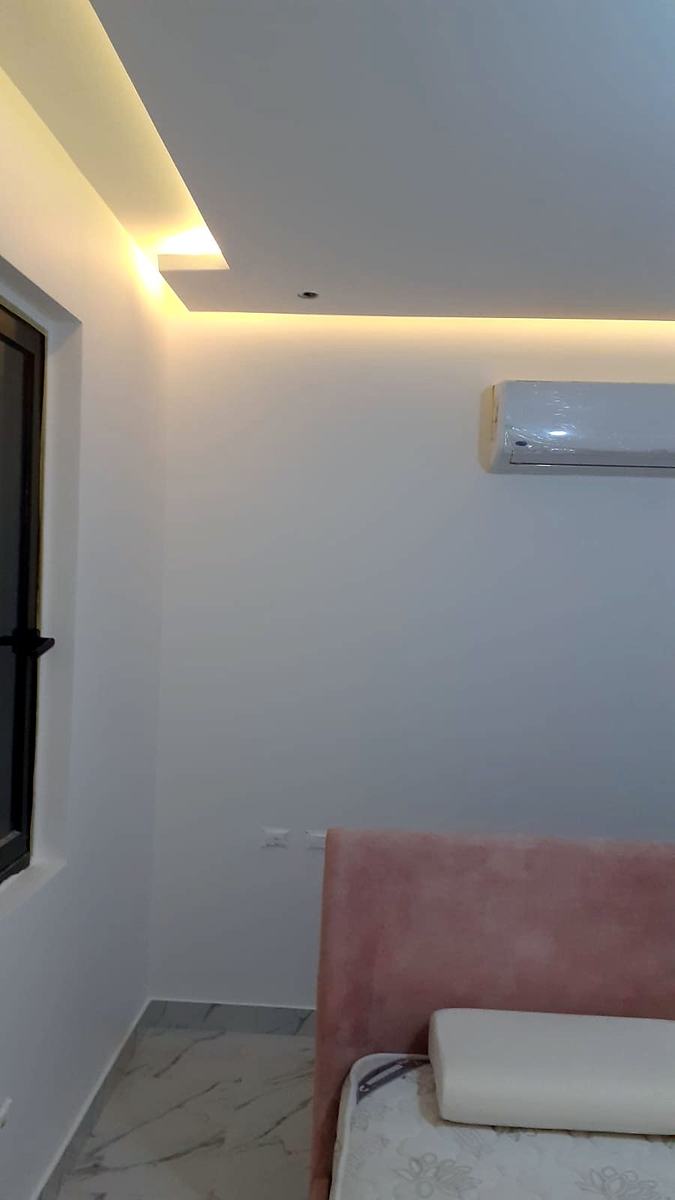
- Ceilings & cove interiors
Projects featuring painting & decorative finishes
Where we have used it.

Questions we get asked
Painting & Decorative Finishes — questions we get asked
Why does new paint peel or crack within a year?
How many coats is actually a proper job?
What is micro-cement and where does it actually work?
How long should new plaster dry before painting?
Why does exterior paint fail so fast in the North Coast?
Usually specified with
Related divisions
Gypsum & Decorative Ceilings
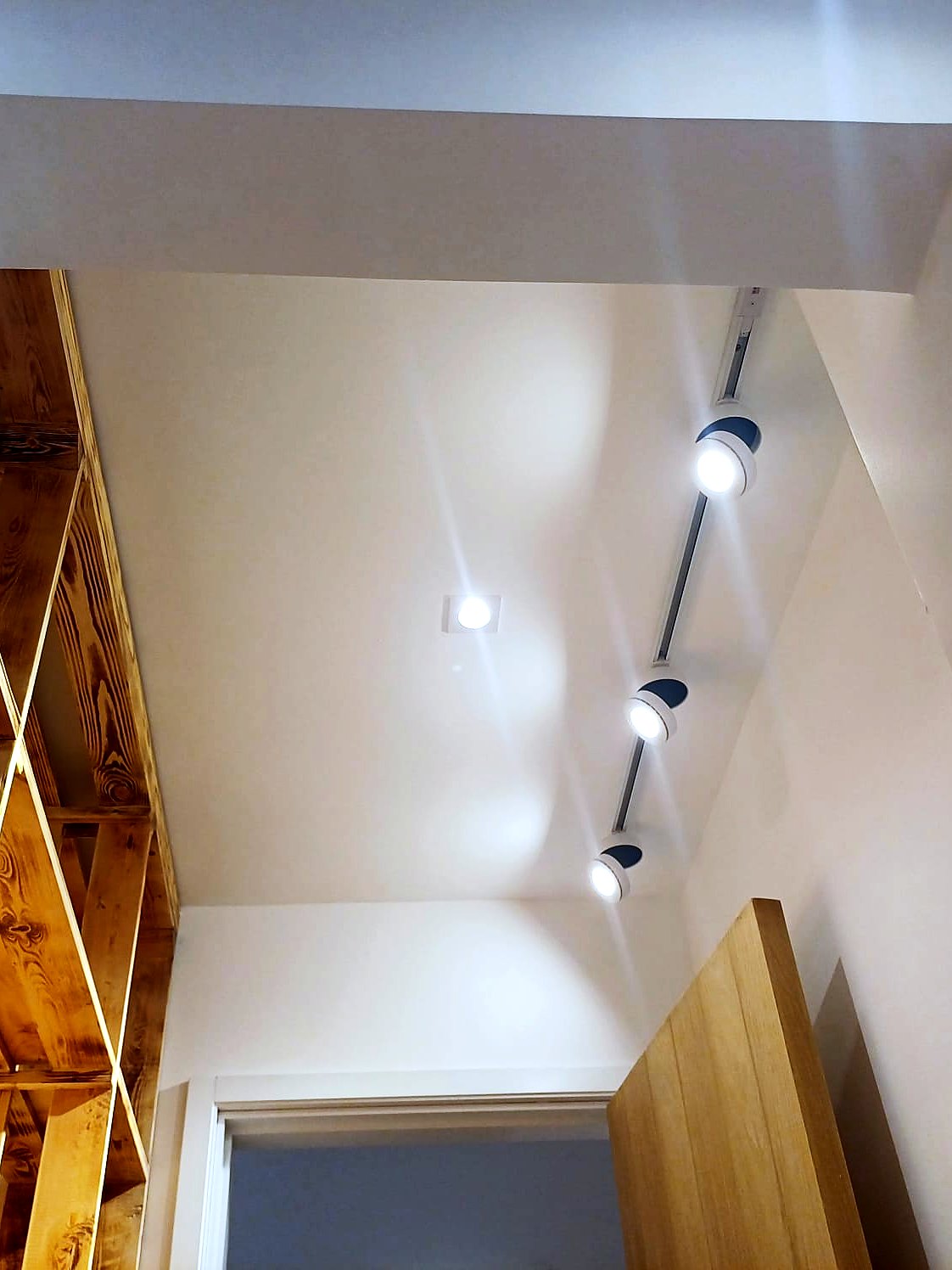
The ceiling is where lighting, air conditioning and joinery all arrive at the same plane, which is why it is the first thing an eye catches when something is out.
See more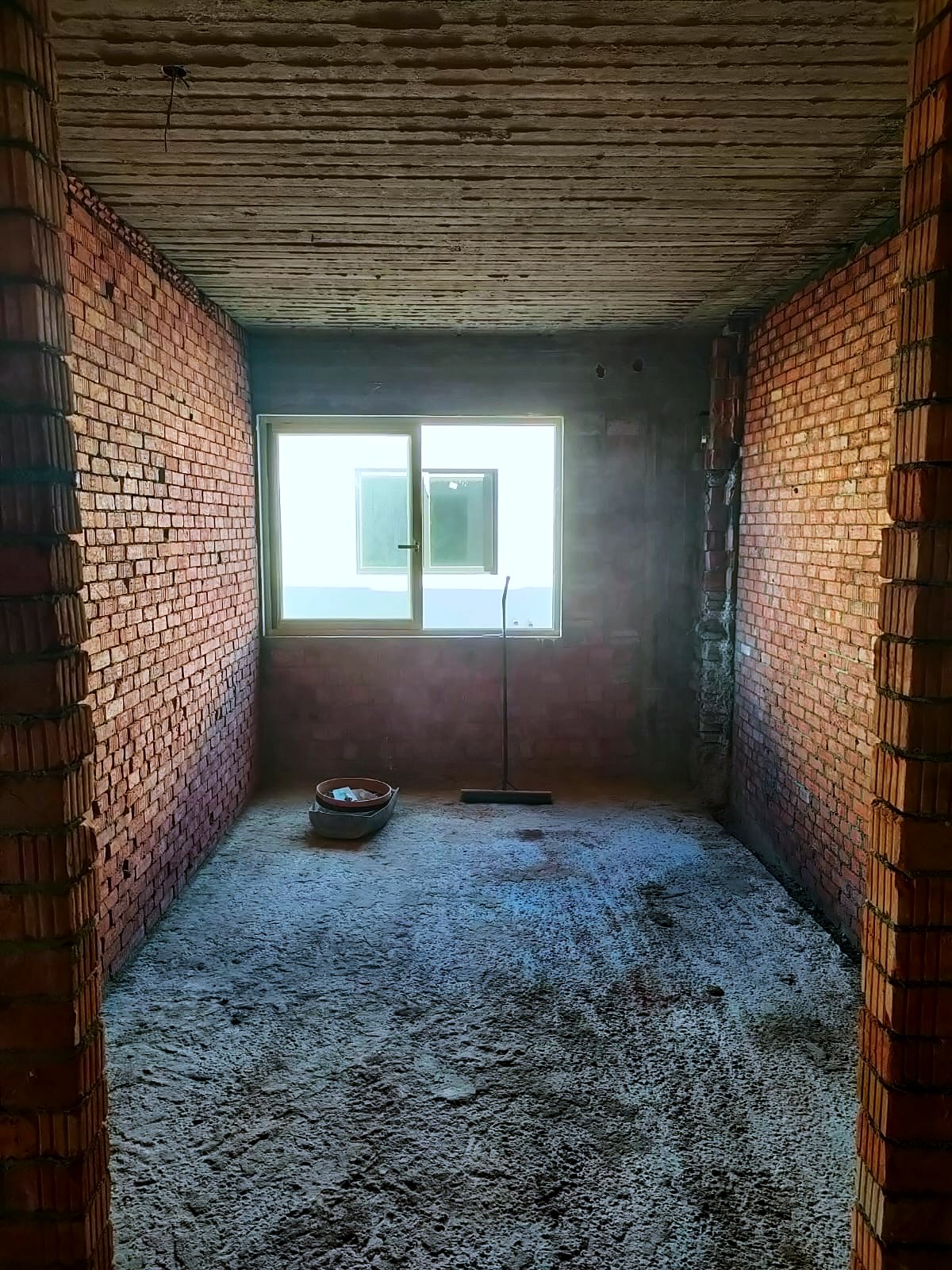
Full Home Renovation
This is the contract most of our clients actually want: one company, one programme, one written quotation.
See more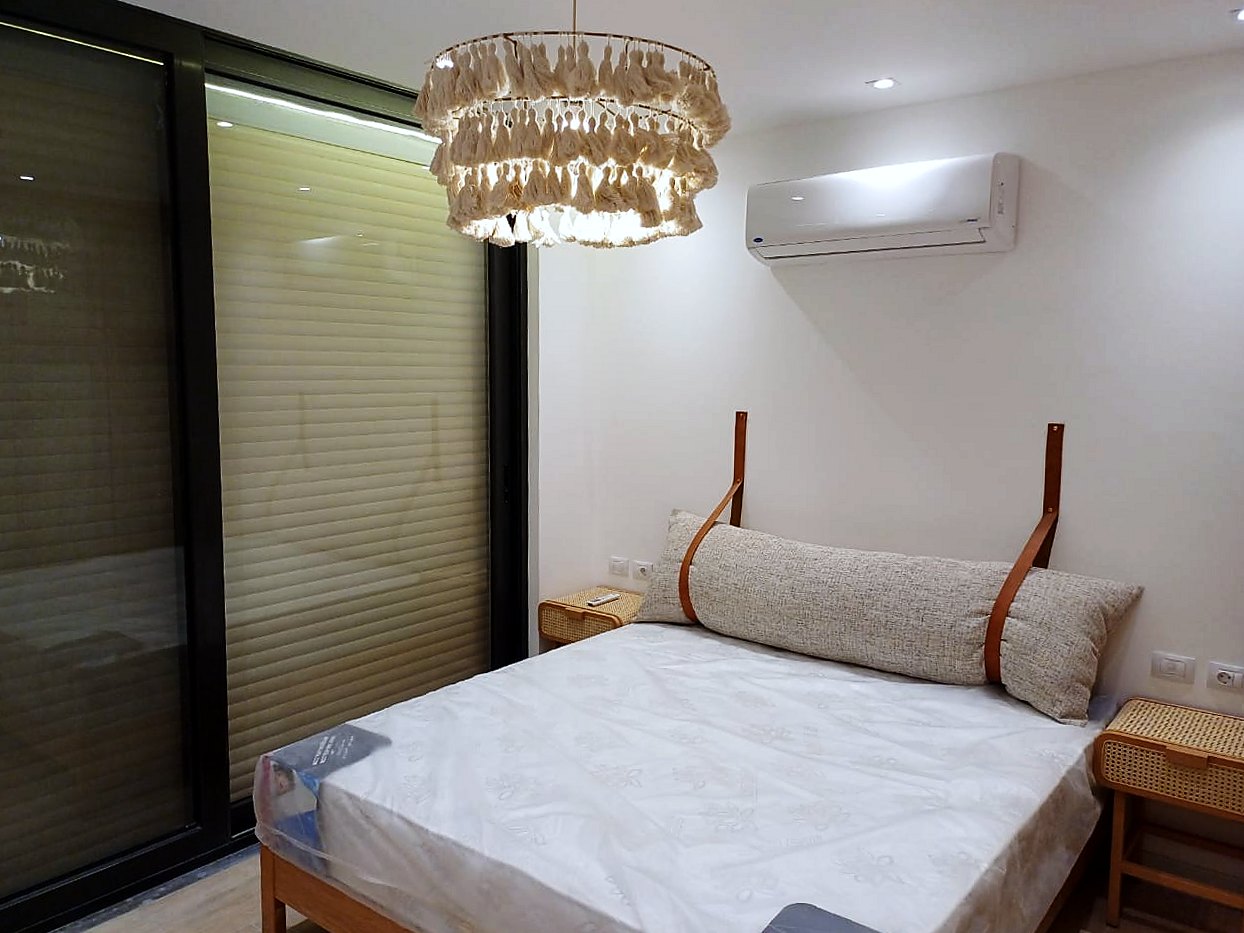
Bedrooms & Furniture
Fitted furniture is measured in millimetres and judged in reveals.
See more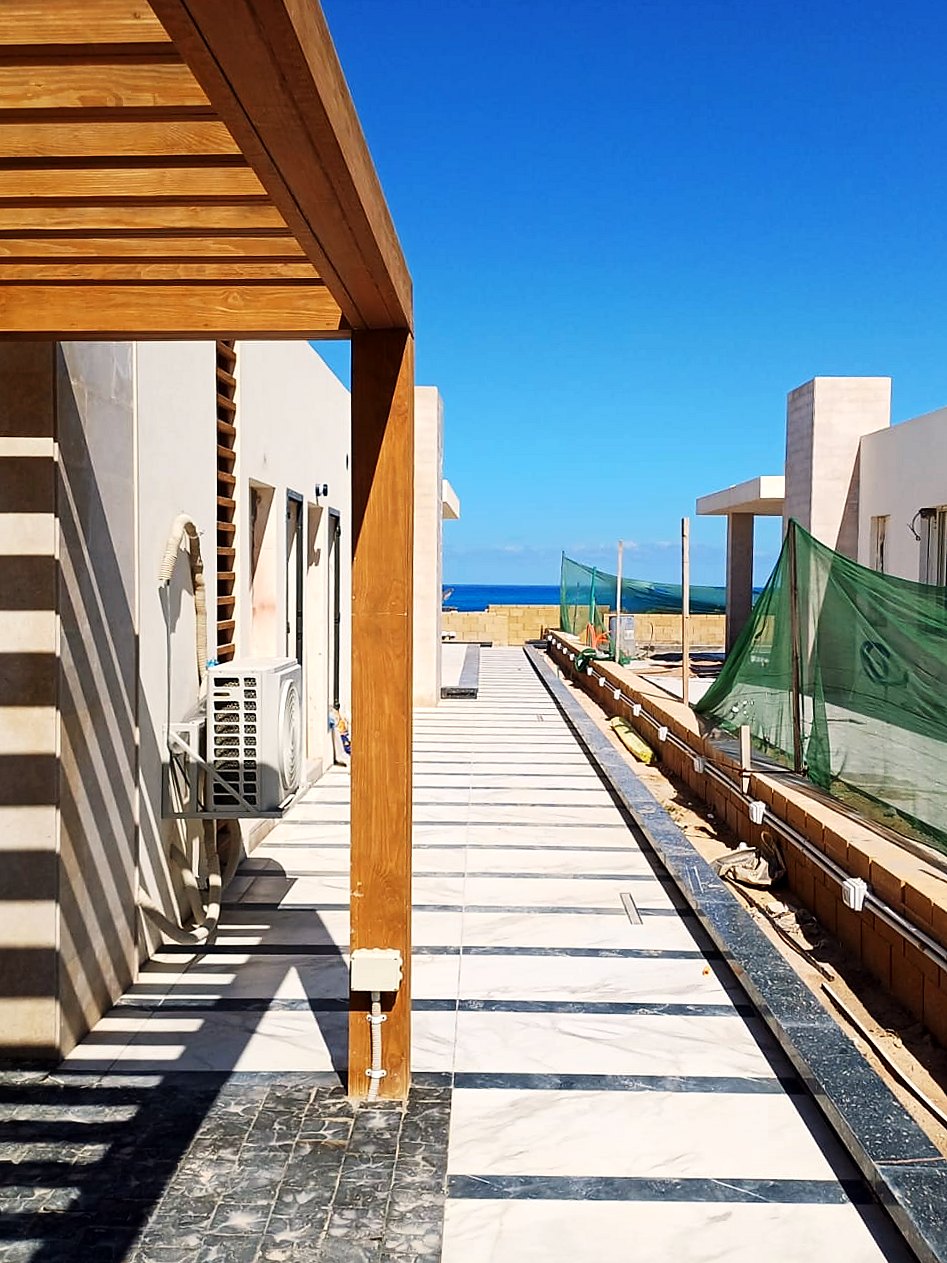
Outdoor & Terraces
In a North Coast chalet the terrace is the house.
See moreRead next
Completing a semi-finished flat without ripping it out
Semi-finished does not mean half the work is done. It means someone else has already done work that you will build on, so you need to be sure it is…
See more Finishing · by current stateRenovating older apartments
Older apartments in Alexandria have generous rooms, high ceilings and details that are hard to find today, and also wiring, pipes and waterproofing…
See more Finishing · exteriorsVilla façades
The façade is the first thing anyone sees of a villa, and the part that faces the sun, rain and salt every day. Here are the materials, the fixing…
See more Guides · During the workFinishing a flat, step by step
Finishing has a right order, and most expensive mistakes come from breaking it. Here is the sequence from bare walls to handover, with what to check…
See more