Decoration · by style
Reception rooms and TV walls
The TV wall is the first thing the eye lands on in a reception room, and the wall most easily spoiled by a visible cable or a screen in the wrong place. The material matters, but planning before the plaster matters more.
Zone the reception first
Before choosing a material, decide how the room is used. Most receptions in Egyptian apartments are long rectangles that hold a TV sitting area, a salon for guests, a dining table and sometimes a third corner.
Clear zoning makes each area legible without walls: a change of level in the gypsum board ceiling over each zone, separate lighting, a rug that defines the seating, or a low unit between the salon and the dining area.
- Put the TV area in the quietest part of the room, away from the front door and the line of traffic.
- Avoid placing the screen directly opposite a large window; reflections make daytime viewing tiring.
- Choose the wall by viewing distance and by where the windows and doors are, not by the shape of the wall alone.
- Fix the seating distance before the screen size: a common rule of thumb puts it at roughly one and a half to two and a half times the screen diagonal.
The TV wall: marble, wood or gypsum?
Each material has its own look, fixing method and upkeep. The comparison below helps you choose.
| Material | Look | Strengths | Watch out for |
|---|---|---|---|
| Natural marble (book-matched slabs) | Grand and calm, with veining mirrored either side | Long life, and a look that never repeats | Heavy; needs a fixing method suited to its weight on a sound wall, with the bracket and cable positions fixed before cutting |
| Backlit onyx | Translucent stone that glows from behind | A striking piece in the evening | Not drilled to hang a screen; needs space behind for the lighting and a way to reach it for maintenance |
| Wood panels or slats | Warm and soft | Warm to the touch, and easy to run cables behind | Needs a dry wall; dust settles between slats |
| Gypsum board with niches and hidden light | Clean lines, shelves and recesses | Light, easy to shape and to run cables through | Cannot carry the screen alone; the bracket goes into the wall or into a reinforcement inside the gypsum |
| Effect paint or microcement | A continuous surface with no joints | Calm, and easy to combine with any style | Any plaster defect shows under side light |
Cables and sockets: plan them before the plaster
Nothing spoils a TV wall faster than a visible cable or a socket in the wrong place, and the only cure is planning at the electrical first fix, before plaster, stone or wood.
Fix the screen position and size
Settle the approximate screen size and height before the first fix. Sockets follow the screen, not the other way round.
Power and connections behind the screen
Put a power socket, a network outlet and a satellite or aerial outlet directly behind the screen, where the set will cover them completely.
A wide conduit for cables
Run a conduit of generous diameter from behind the screen down to the equipment unit, with a draw wire inside, so audio and video cables can be pulled through or changed later without breaking anything.
Sockets at the equipment unit
Provide enough sockets at the low unit for the receiver, router and speakers, and ventilation for the equipment inside it.
Fix the bracket into the real wall
The bracket goes into brick, concrete or a purpose-made reinforcement, never into gypsum board alone or stone alone.
Lighting the reception and the TV wall
Light changes a TV wall more than the material does. Light grazing across stone or wood brings out its texture and veining, and soft concealed light behind the screen or above the wall reduces the contrast between a bright screen and a dark wall, which is easier on the eyes.
In the rest of the room, light by zone: a chandelier or general light over the salon, a pendant on the axis of the dining table, and softer, dimmable light in the TV area. Put each zone on its own switch so you can use each part on its own.
- Avoid spotlights directly above the screen; they reflect in it.
- Keep one colour of concealed light throughout the room.
- Leave an accessible place for the drivers of the concealed lighting.
Proportions and sizes
A TV wall should be in proportion with the wall and the room, not just with the screen.
- Leave enough space around the screen within the wall design, so it does not look squeezed into its frame.
- Keep the centre of the screen close to the eye level of someone seated; mounting it very high strains the neck.
- With book-matched marble, put the mirror line of the veining at the centre of the wall and of the screen, and draw where the joints fall before cutting.
- A hanging or low equipment unit is usually wider than the screen, and deep enough for the equipment and its ventilation.
- If the wall is very long, you need not clad all of it: a central section of considered width, with calm paint on the rest, often looks stronger.
Ceiling, floor and curtains
The TV wall is part of a whole room, and it has to sit well with the ceiling, the floor and the windows.
A gypsum board ceiling defines the zones and carries the concealed light, and a hidden curtain pelmet above the windows lets curtains drop straight from the ceiling, which makes the windows look taller. Reception floors are usually marble or large-format porcelain, laid out so the pattern lines up with the axis of the TV wall. Heavy or blackout curtains help when the screen is near a window.
How Itmam builds reception rooms and TV walls
A TV wall brings several trades into one stretch of wall: electrics, gypsum board, stone or wood, joinery for the equipment unit, and lighting. At Itmam our fitted pieces (kitchens, wardrobes, doors, vanities, metalwork and stone tops) are made in our own workshops, and marble and granite are templated, cut and installed by the same team, so cable routes, joints and the bracket are coordinated from the start.
We visit, measure and give you a written, itemised quotation before work starts. You can choose marble or onyx from our catalogue of 94 stones, or see stone in person at our showroom in El Deresa, Alexandria.
Departments for this
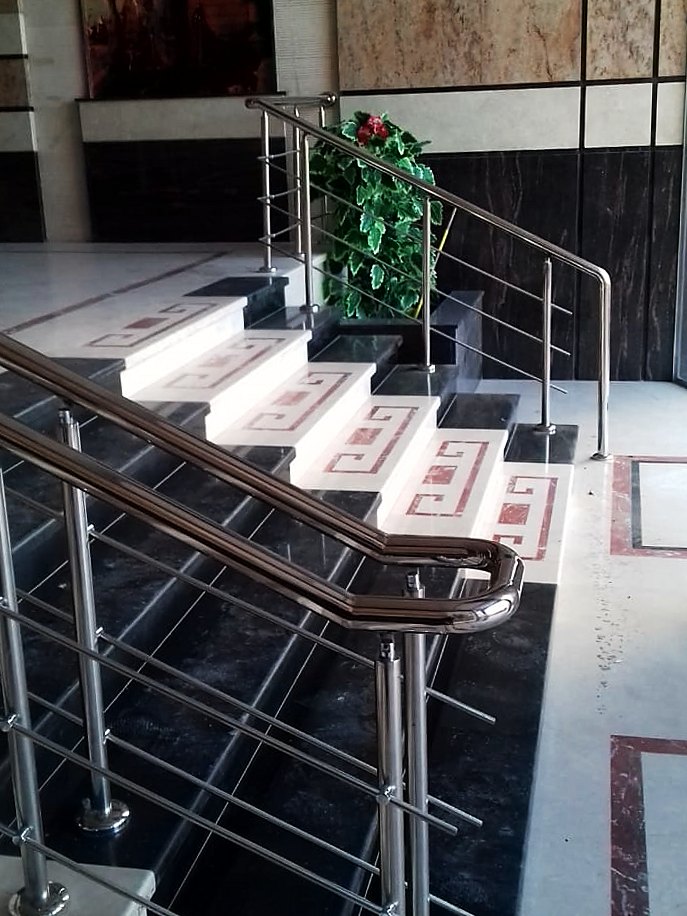
Stone Artwork & Engineered Marble
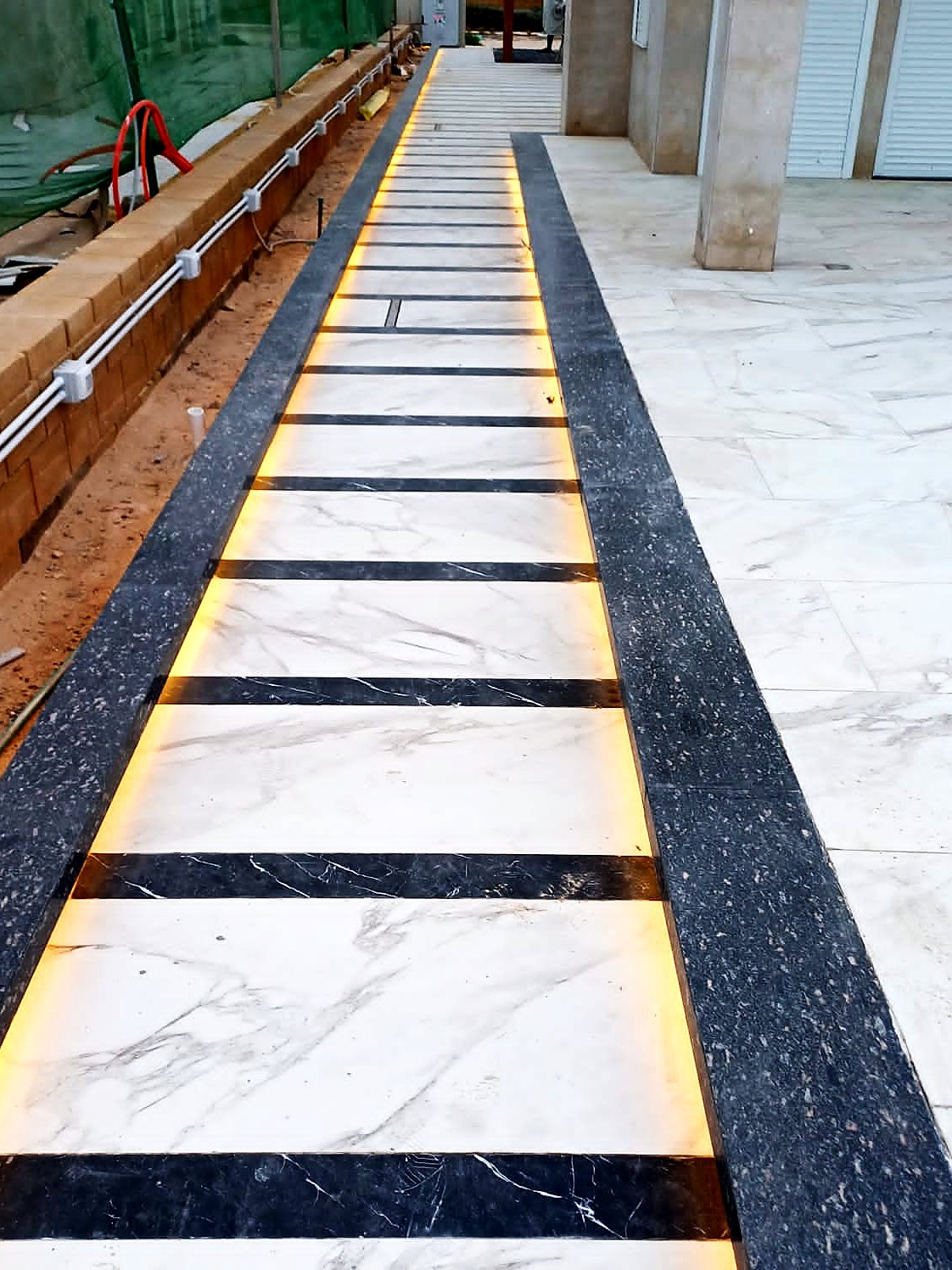
This is the end of the stone business that is closer to cabinetmaking than to tiling.
See moreMarble
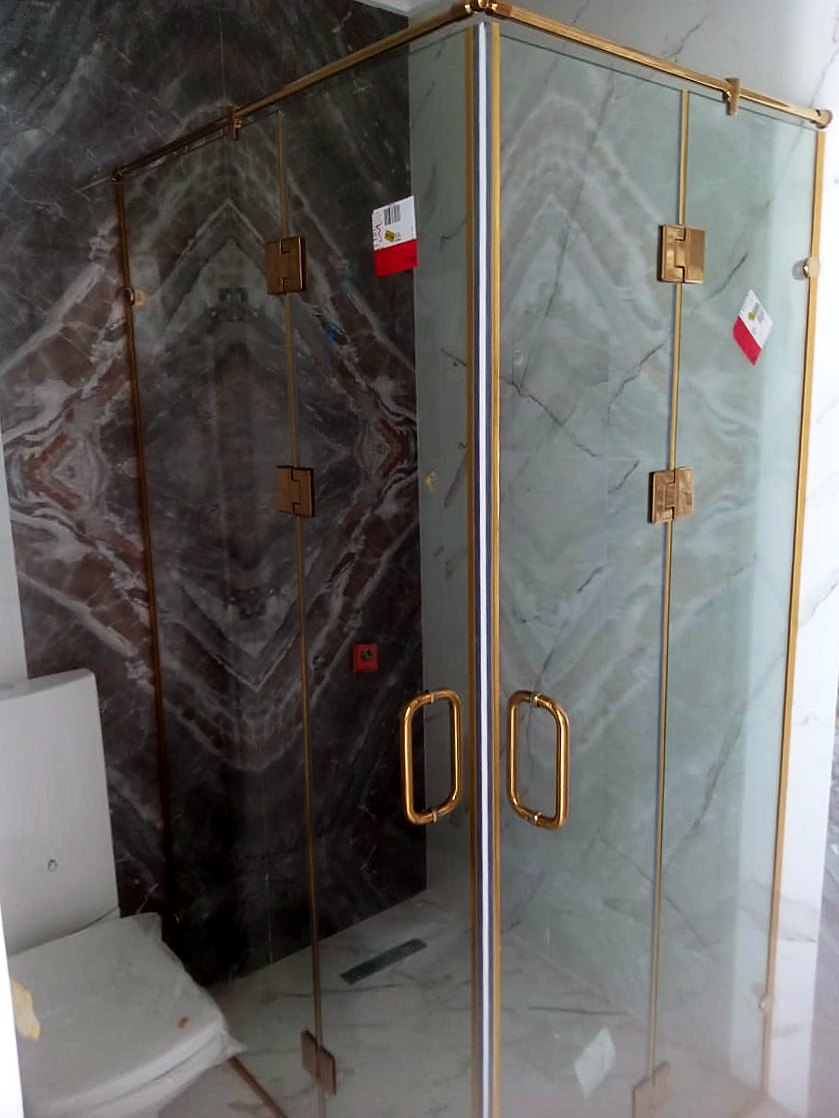
We buy marble at the block, not off a photograph.
See moreGypsum & Decorative Ceilings
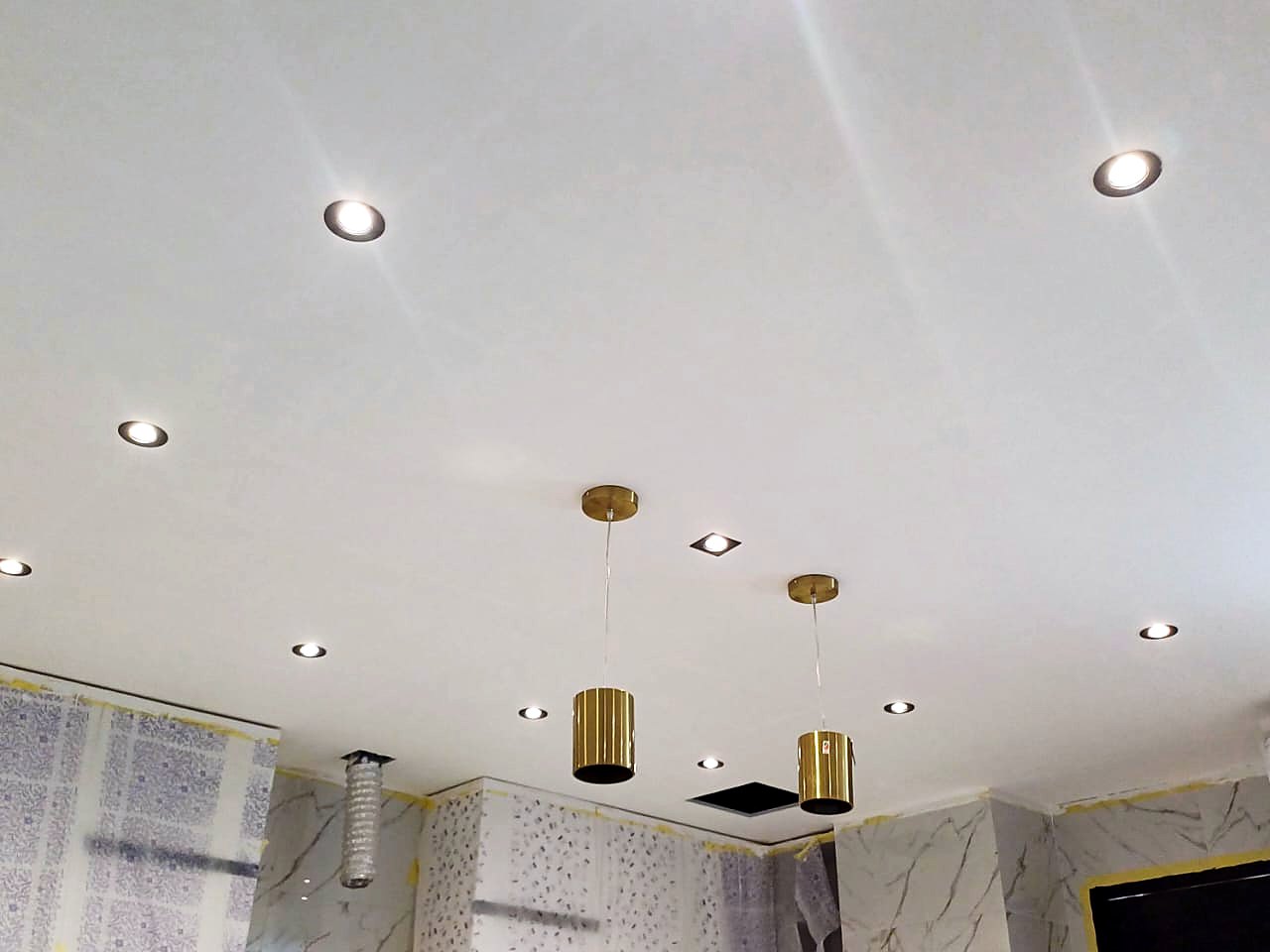
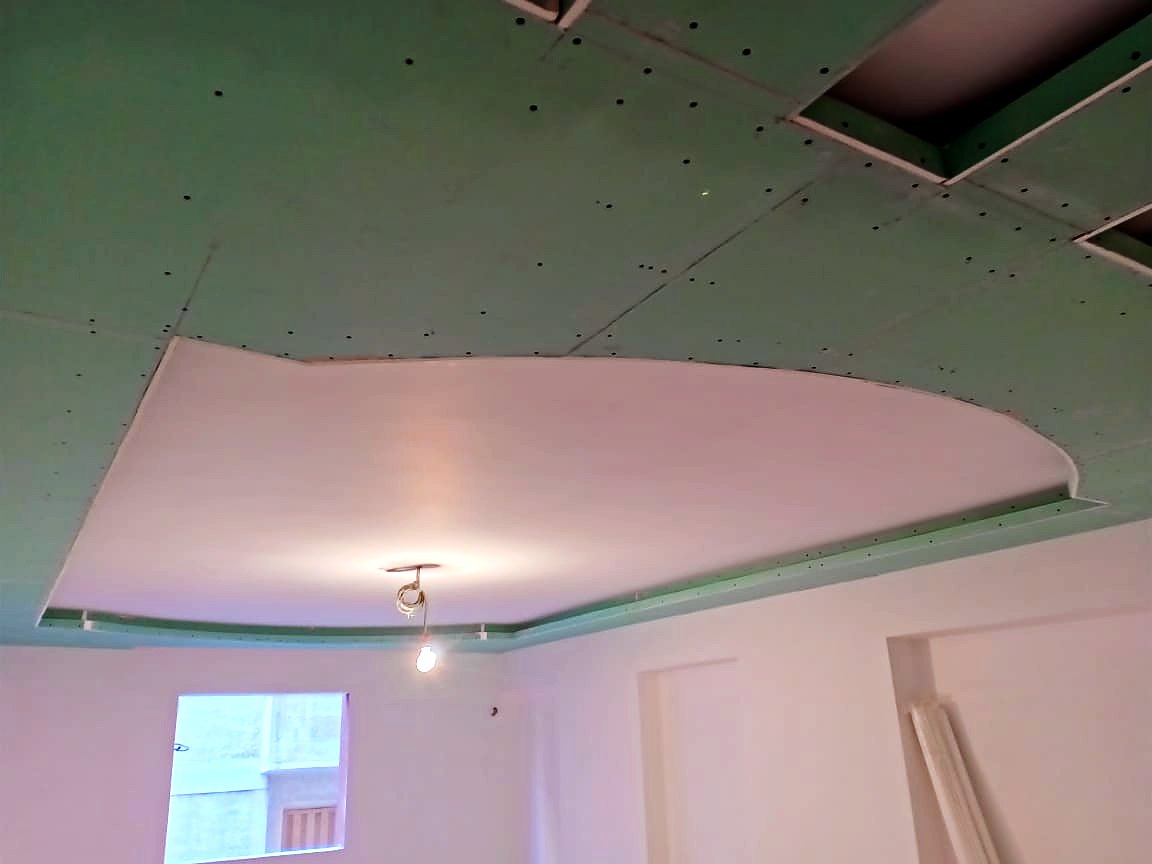
The ceiling is where lighting, air conditioning and joinery all arrive at the same plane, which is why it is the first thing an eye catches when something is out.
See more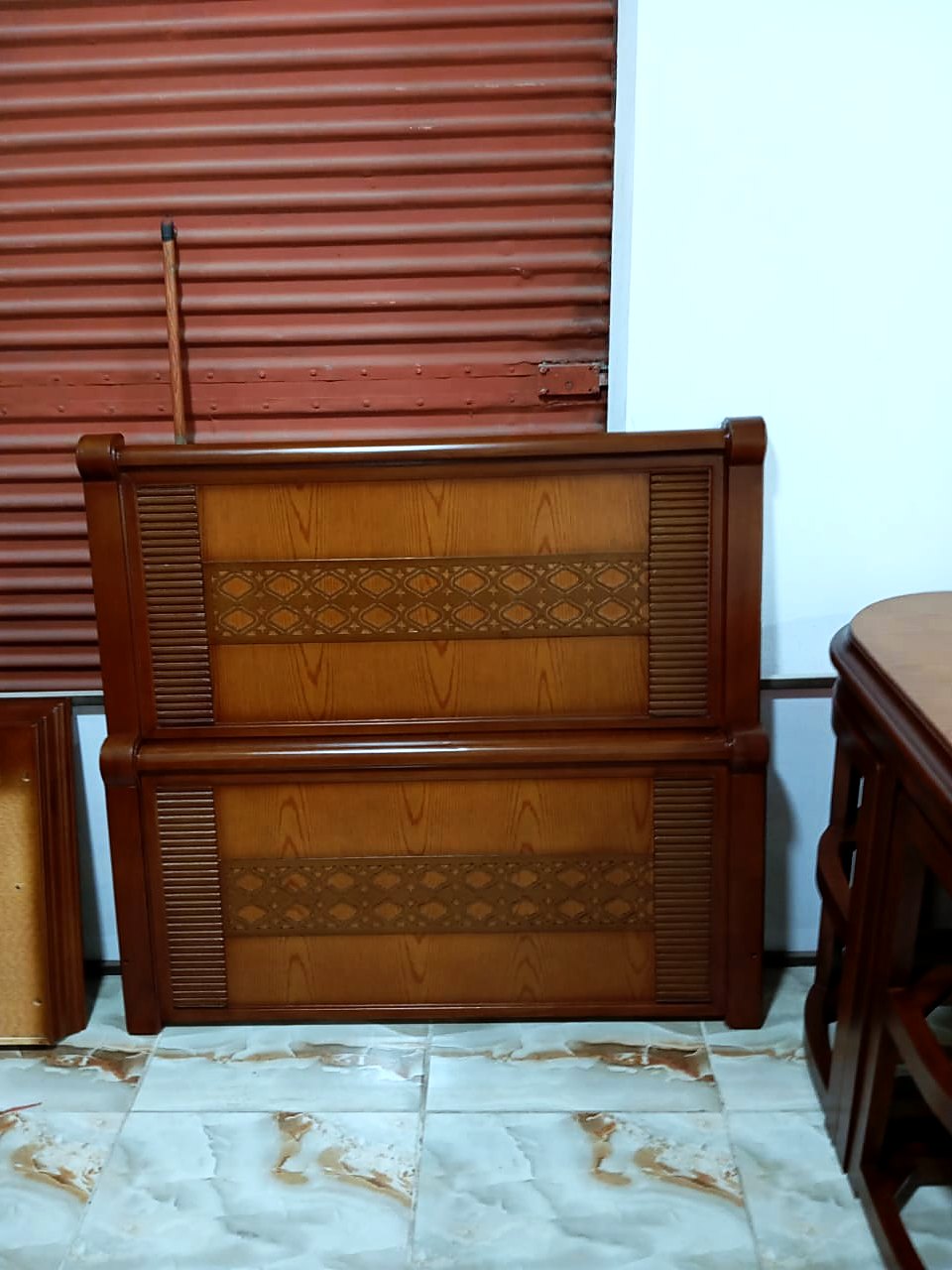
Furniture Manufacturing
We run our own furniture workshop, which means the bed, the wardrobes, the desk and the internal doors of the same villa are cut, jointed, sprayed and delivered by one team on one programme.
See more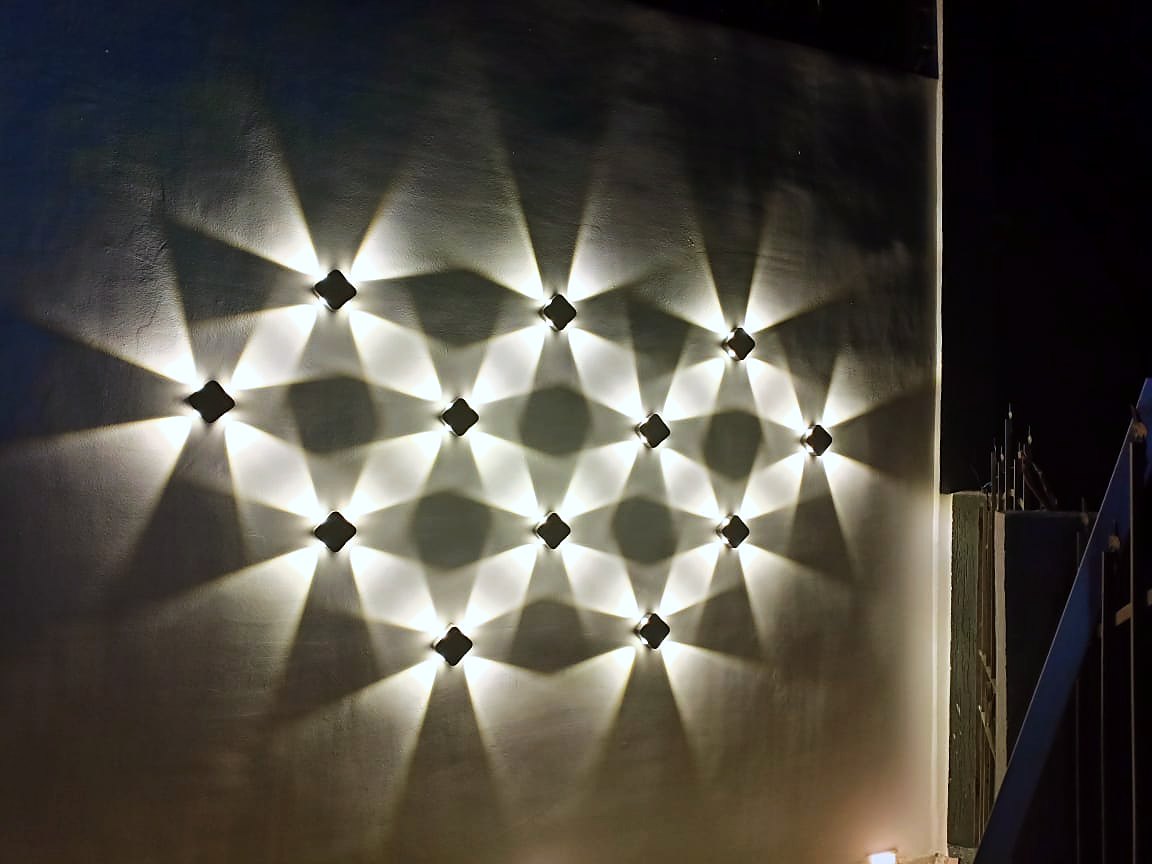
Electrical & Smart Home
Electrics are invisible until they are a problem.
See more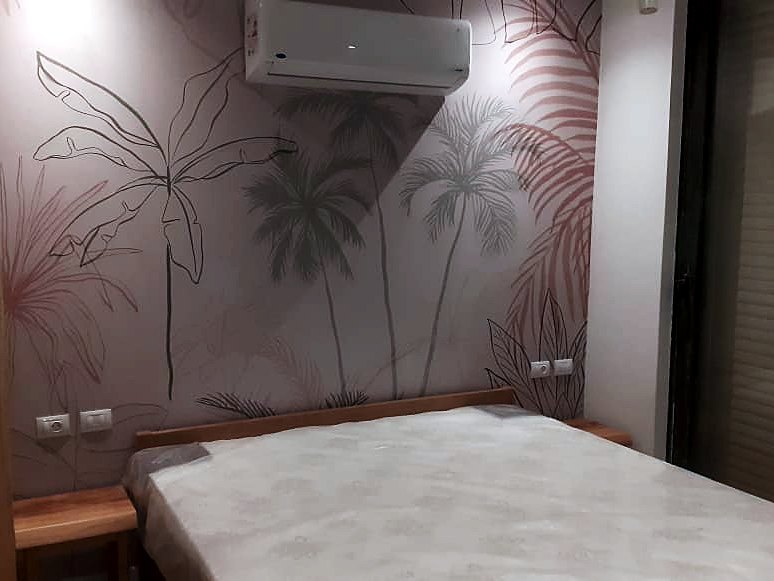
Painting & Decorative Finishes
Paint is the finish everybody judges and the trade everybody rushes.
See moreWork we have done
Photo gallery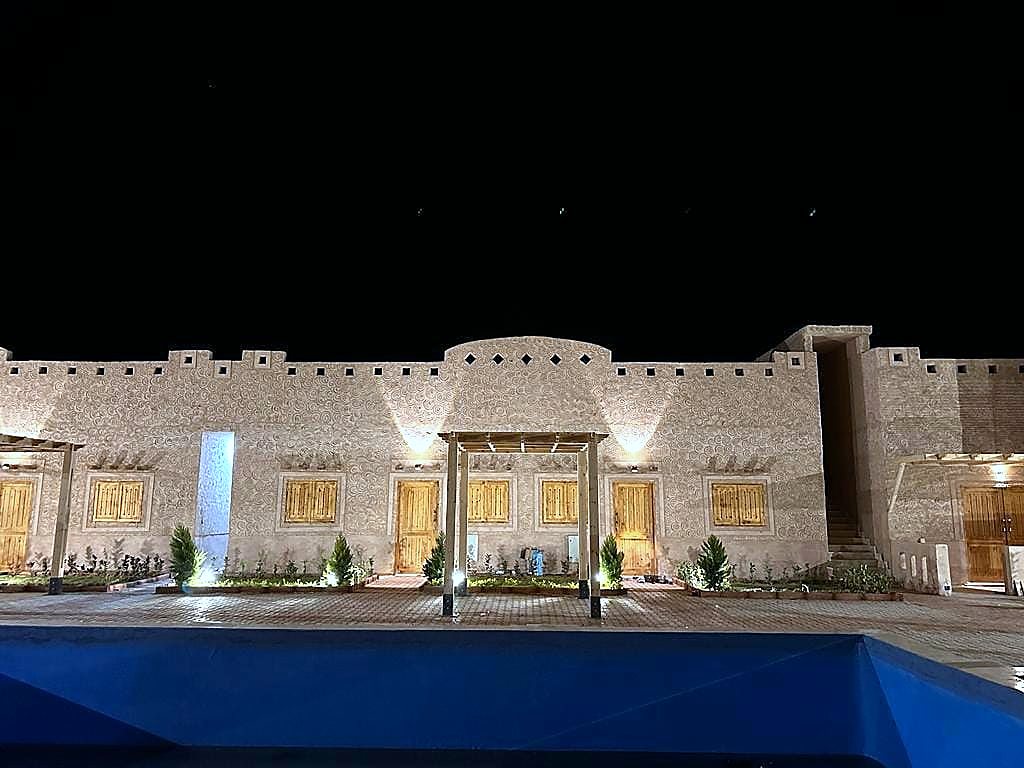
El Moghra
Turnkey build & finish · Desert lodge · Completed
View project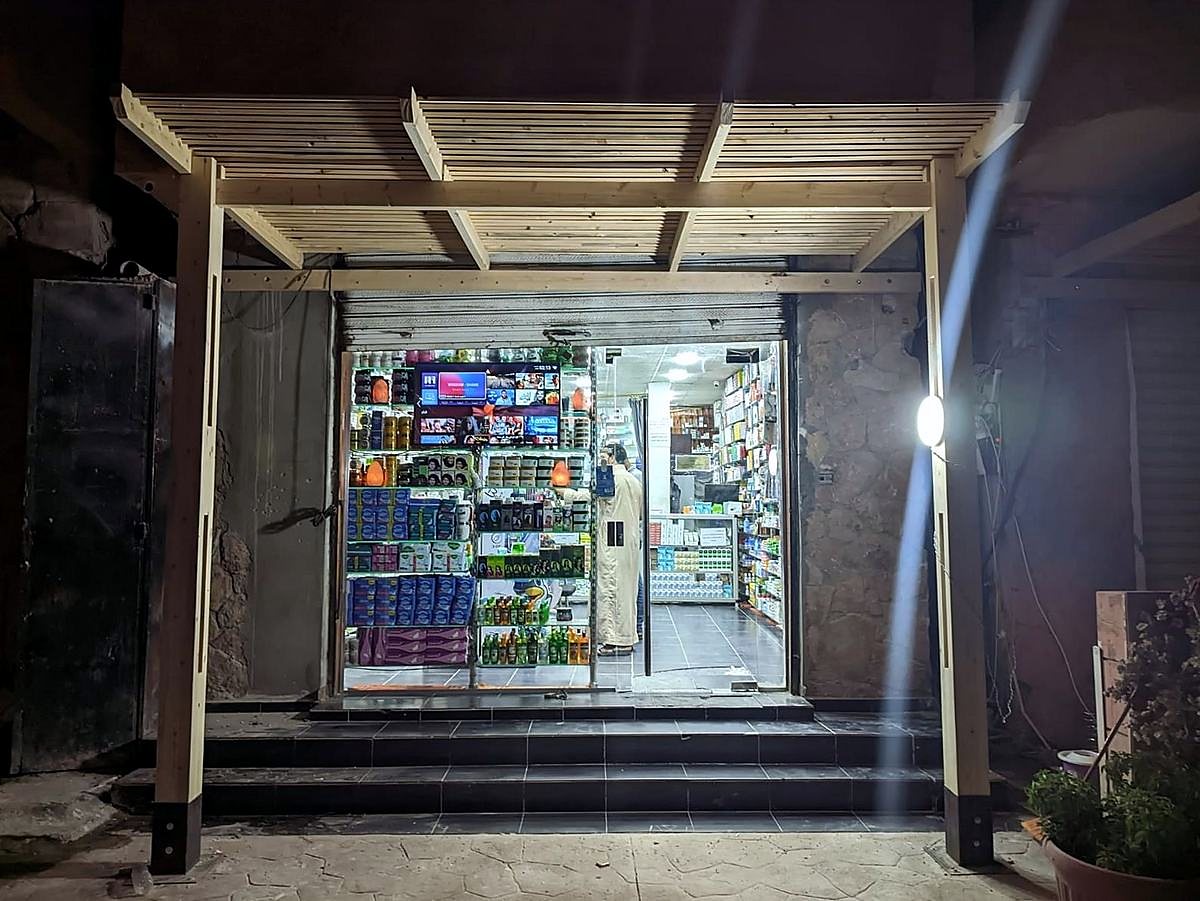
Market Street, Siwa
Façades, pergolas & shopfronts · A street of shops · Completed
View project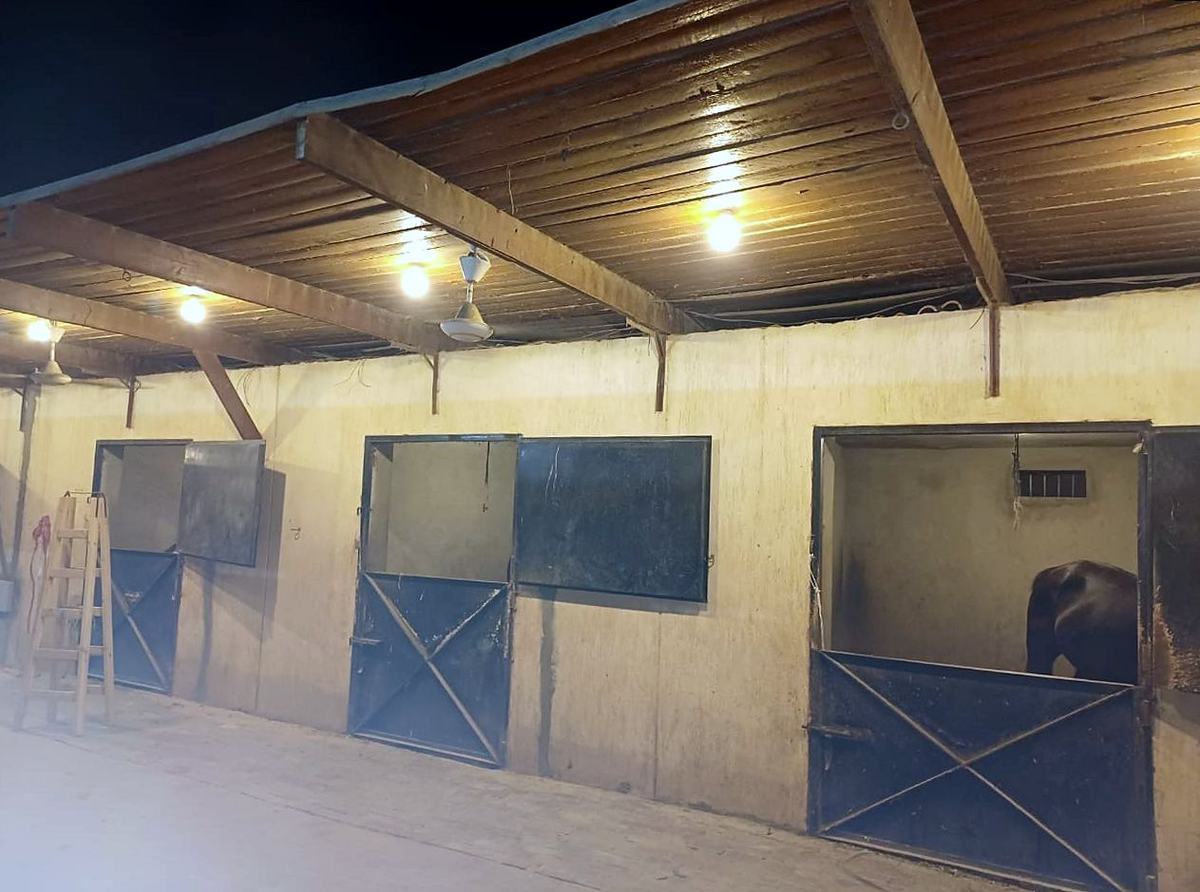
The Equestrian Yard
Stables, arena & yard · Working yard · In progress
View projectQuestions people ask
Marble, wood or gypsum for the TV wall?
How are the cables hidden?
Can a TV be mounted on marble?
How do I zone a long rectangular reception?
Is hidden lighting tiring on the eyes?
How much does a TV wall cost?
Read next
Modern interiors
Modern is not just taking the ornament away. It is clean lines, few materials and details built precisely, because simplicity…
See more Decoration · by styleNeo-classic interiors
Neo-classic takes the proportion, symmetry and cornices of classic design and leaves out the clutter and most of the gold. The…
See more SupplyThe stone catalogue
See more SupplyThe stone catalogue
See more Guides · MaterialsMarble, granite or quartz?
All three look beautiful on the first day. The difference shows years later, in a kitchen with lemons, on a stair with sand on…
See more