Finishing · by property
Chalet finishing by the sea
A chalet is lived in for a few weeks a year and shut for the rest, next to a sea that brings salt, damp and sand. Finishing it well means materials that can take that, and a plan that respects the season and your compound's rules.
A chalet is not a small apartment
A chalet is designed for a different kind of use: a short, crowded season of wet feet and sand, then months with the door locked. That changes what a good finish looks like:
- Sand comes in with every step, so floors must resist abrasion and clean easily.
- In season there are more people than bedrooms, so storage and extra sleeping places matter.
- Bathrooms work far harder over the summer than in an ordinary flat, so waterproofing and drainage must be right.
- If the chalet will be rented out, finishes should be easy to maintain and to replace.
- The terrace or garden is usually where the family actually spends the day.
Materials that survive salt and humidity
By the sea, ordinary metals rust and ordinary boards swell, so every material has to be chosen for the place, not for the photograph.
| Item | What fails by the sea | What lasts longer |
|---|---|---|
| Screws, hinges and fittings | Plain steel and low-grade stainless rust and stain | 316 stainless and marine-grade hardware |
| Steel railings, gates, pergolas | Steel that is only painted, with no galvanising | Hot-dip galvanised steel, then a suitable paint system |
| Aluminium windows and shutters | Standard powder coating that chalks and peels | Seaside-class powder coating |
| Kitchen and wardrobe carcasses | Standard boards that absorb moisture and swell | Moisture-resistant boards with well-sealed edges |
| Outdoor worktops | Quartz, which can discolour in direct sun | Granite or natural stone |
The full detail is in our guide to materials for coastal homes.
Floors, bathrooms and kitchen for summer use
The best chalet floor is one that takes sand and water without becoming slippery or showing every scratch.
- Matt or lightly textured porcelain: hard, non-absorbent and easy to clean of sand.
- Marble is beautiful but softer, and sand scratches it over time, especially at the entrance and the terrace door. If you choose it, a honed finish wears better than a polished one.
- Solid timber and parquet are not the best choice with sand and humidity.
- Bathrooms: correct falls to the floor drain, full waterproofing under the tiles, and an outdoor shower by the terrace to keep sand out of the house.
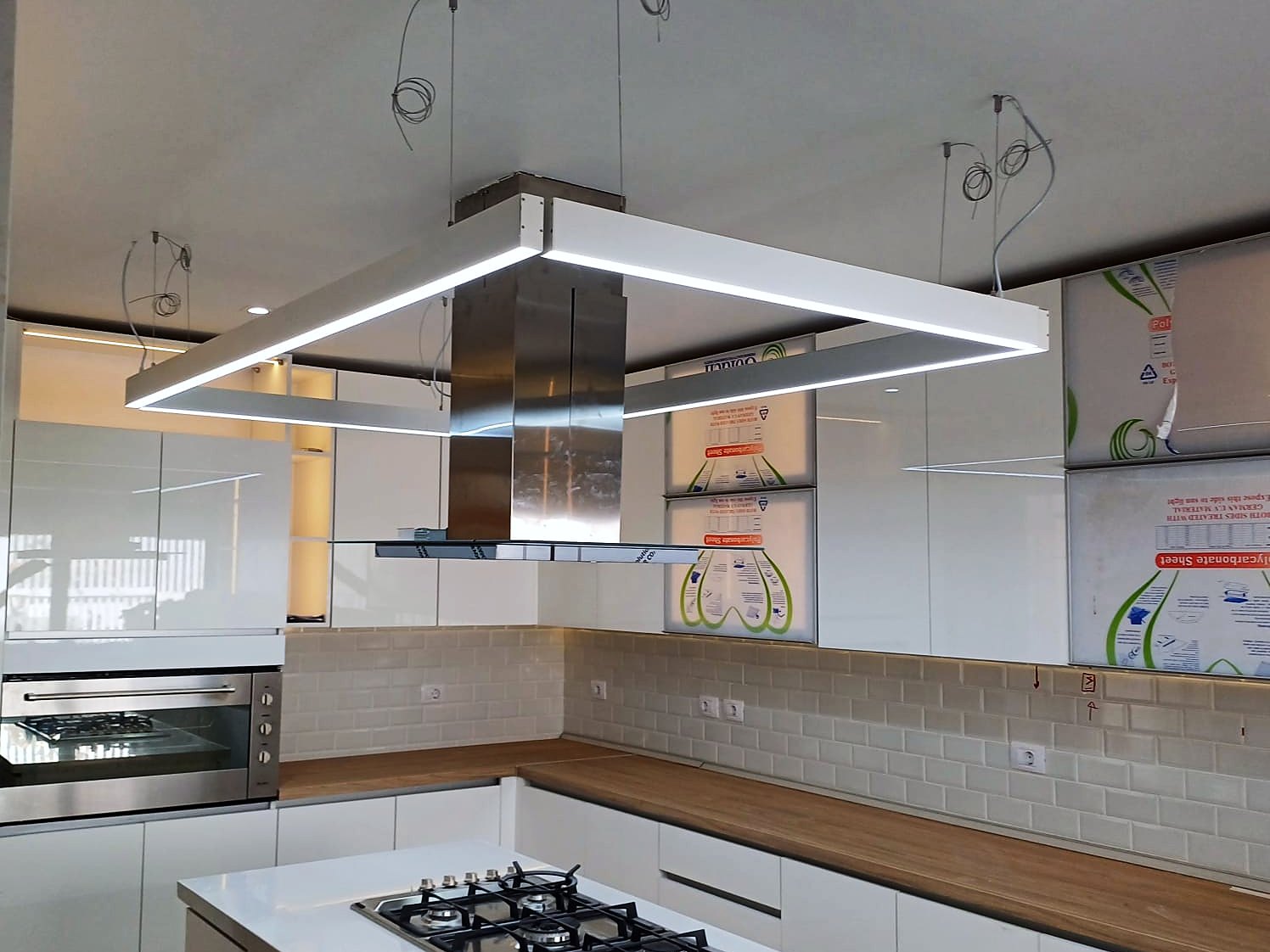
- Kitchen: moisture-resistant carcasses, stainless hinges and runners, and a granite or quartz top depending on how much sun reaches it.
Small spaces: storage and extra beds
In a small chalet every centimetre has to work, and the answer is usually fitted joinery rather than more furniture.
- Wardrobes to the ceiling, with the high shelves for seasonal things.
- Beds with drawers underneath, or a sofa bed in the living room.
- A place for the washing machine, the vacuum cleaner and beach gear, away from the kitchen if possible.
- Storage for beach chairs and umbrellas close to the terrace.
- Lighting on separate circuits: general light, and softer light for the evening.
Terrace and garden
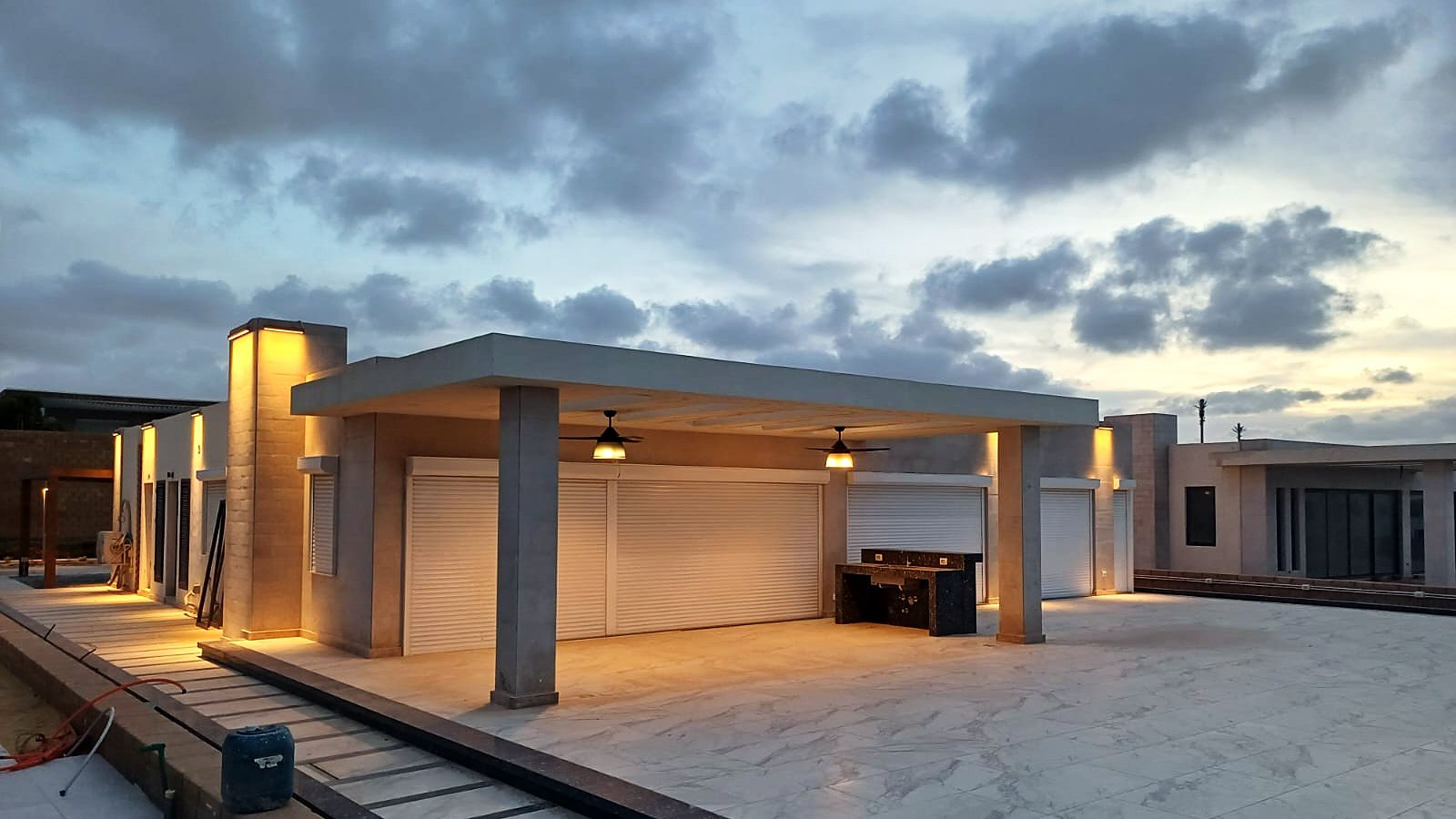
A chalet terrace works as an extra room, so it needs waterproofing, falls, shade and light like one.
- Waterproofing under the terrace floor if there is a room or another unit below it, and falls towards the drains.
- Slip-resistant outdoor paving that stays relatively cool underfoot: textured natural stone or outdoor-grade porcelain.
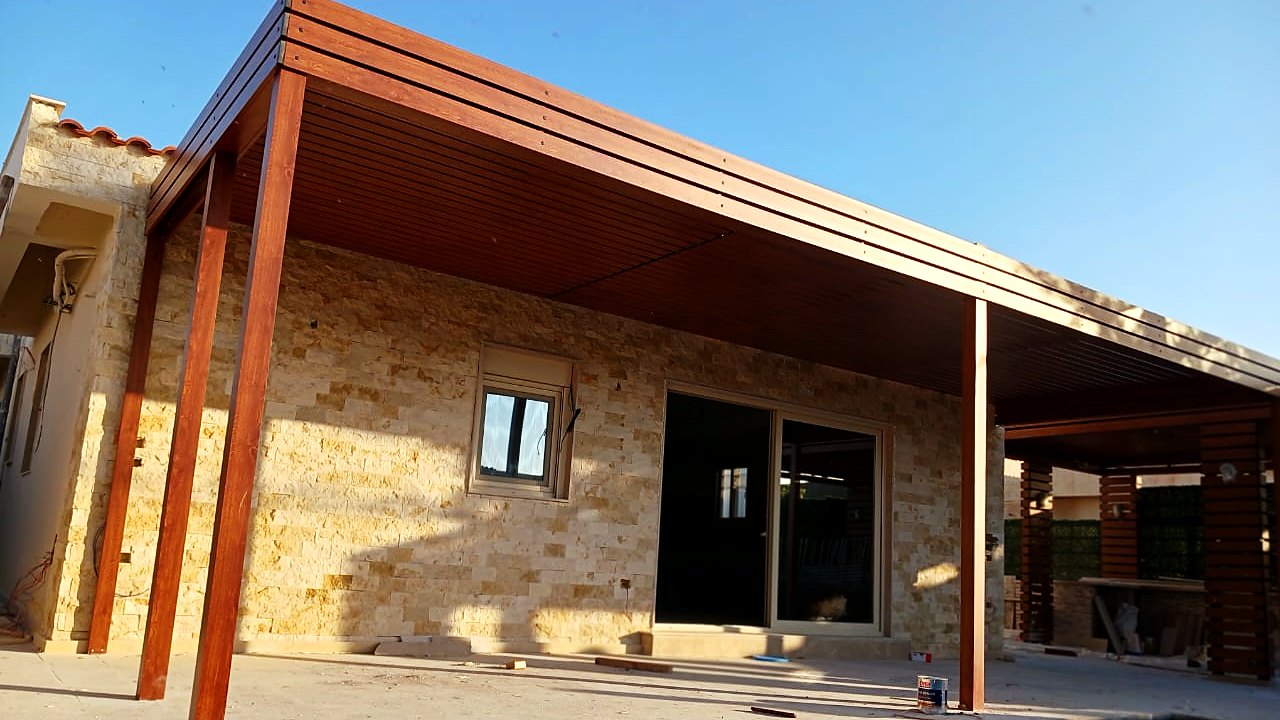
- A pergola in timber, galvanised steel or aluminium; each needs different upkeep by the sea.
- Outdoor light fittings made for humidity, and covered sockets protected by an earth-leakage breaker.
- For a ground-floor chalet with a garden, plan for the sand and irrigation water that can reach the door: a proper threshold and a drain in front of the terrace door.
Protecting a chalet that sits closed all winter
A chalet left shut for months needs provisions that protect it with nobody there.
- A main water valve that is easy to reach and closed before you leave, or a valve that shuts the water automatically when a leak is detected.
- Surge protection on the electrical board for anything left running.
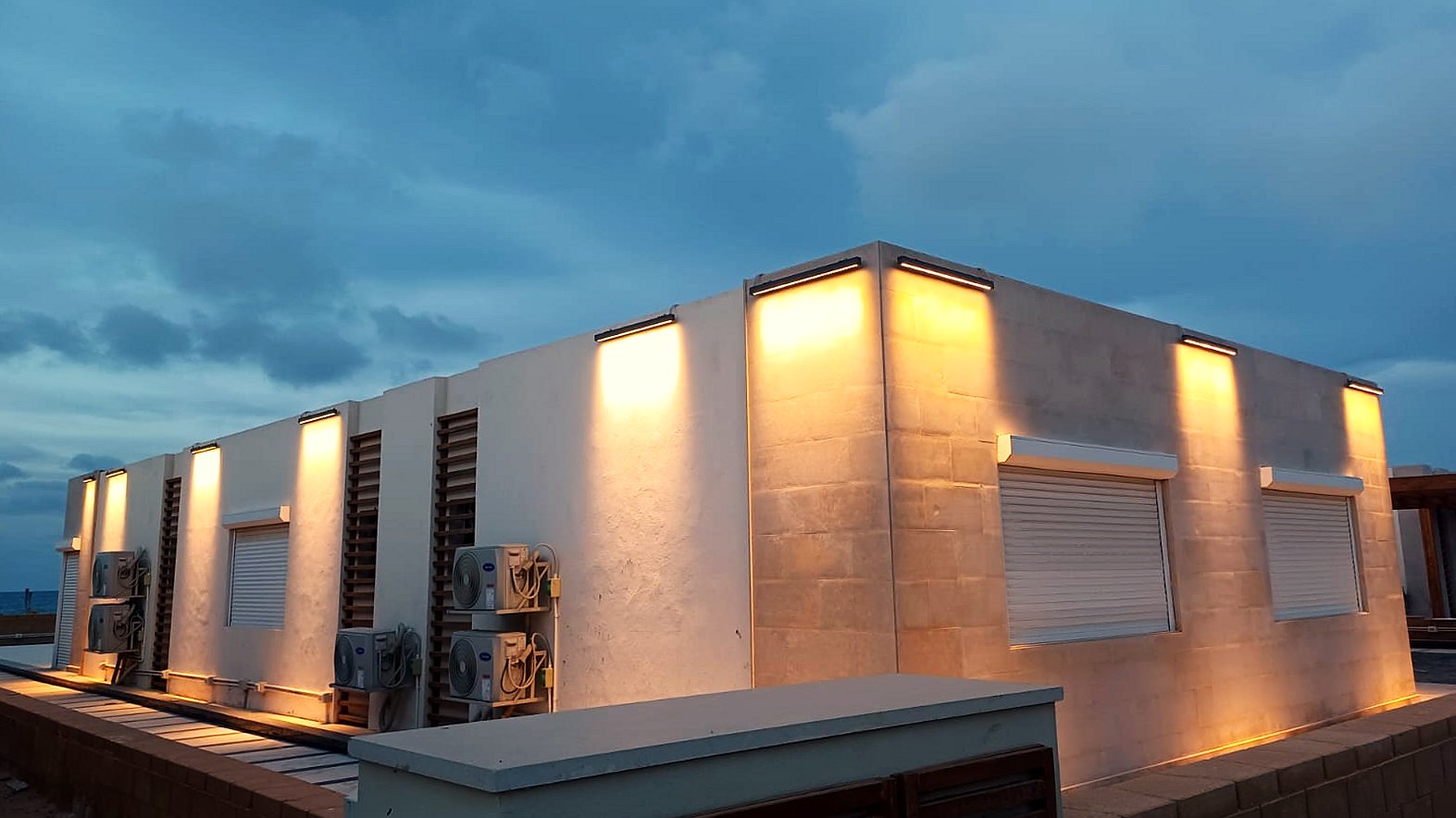
- Shutters that close well, against sun, sand and intruders.
- Simple ventilation in bathrooms and wardrobes to stop mould and the smell of damp.
- Good sealing around windows and doors against sand and rain.
Timing, and your compound's rules
The best time to finish a chalet is just after the season, so that there is time for decisions and for making the fitted items before the next summer.
Each North Coast compound sets its own rules: whether works are allowed in season, working hours, how contractors register, how debris leaves the site, and which changes are allowed to the façade and terrace. Get the rules in writing from the compound management before you fix any dates, rather than relying on what someone remembers.
Made-to-order items such as the kitchen, shutters and aluminium need final measurements, so the earlier the decisions are settled, the more comfortable the schedule.
How Itmam finishes a chalet
We work along the North Coast. We visit the chalet, measure it, and write you an itemised quotation before any work starts.
Our coastal specification: seaside-class powder coating, 316 stainless fixings, hot-dip galvanised steel, marine-grade hardware, and moisture-hardened carcasses in the joinery.
Kitchens, wardrobes, doors, vanities and metalwork are made in our own workshops, so the measuring and the installation are one team's responsibility.
On a finishing contract you pay the suppliers directly and the tax invoice is in your name.
Departments for this
Full Home Renovation
This is the contract most of our clients actually want: one company, one programme, one written quotation.
See moreOutdoor & Terraces
In a North Coast chalet the terrace is the house.
See moreShutters & Sun Control
In Sahel the sun is the main structural load on a room.
See more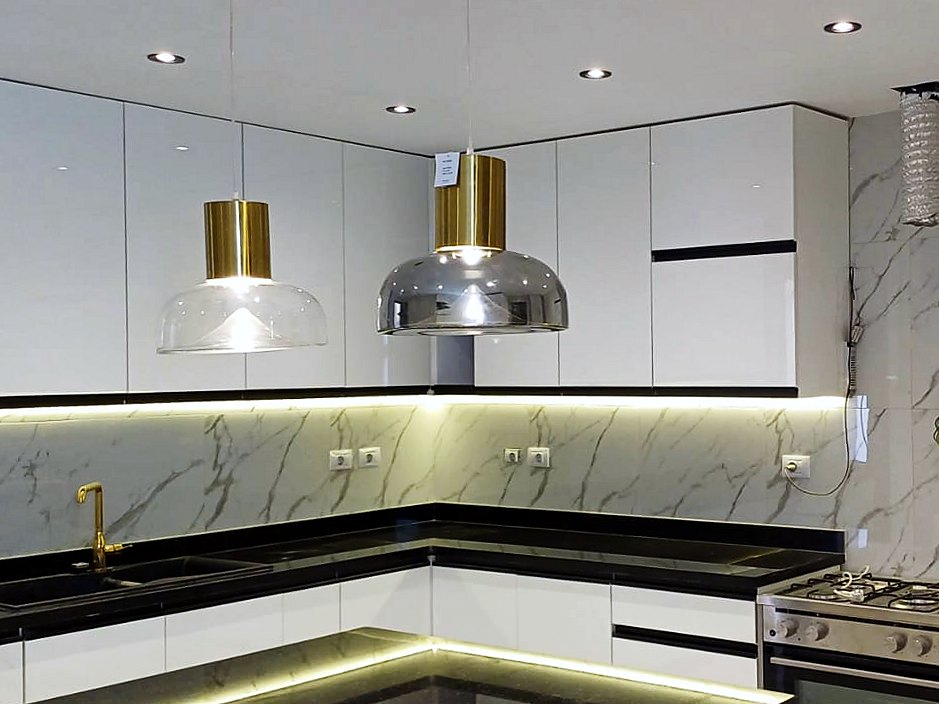
Kitchens
A kitchen is the one room where bad manufacturing shows up daily — a door that drops, a drawer that catches, a worktop joint over the sink.
See more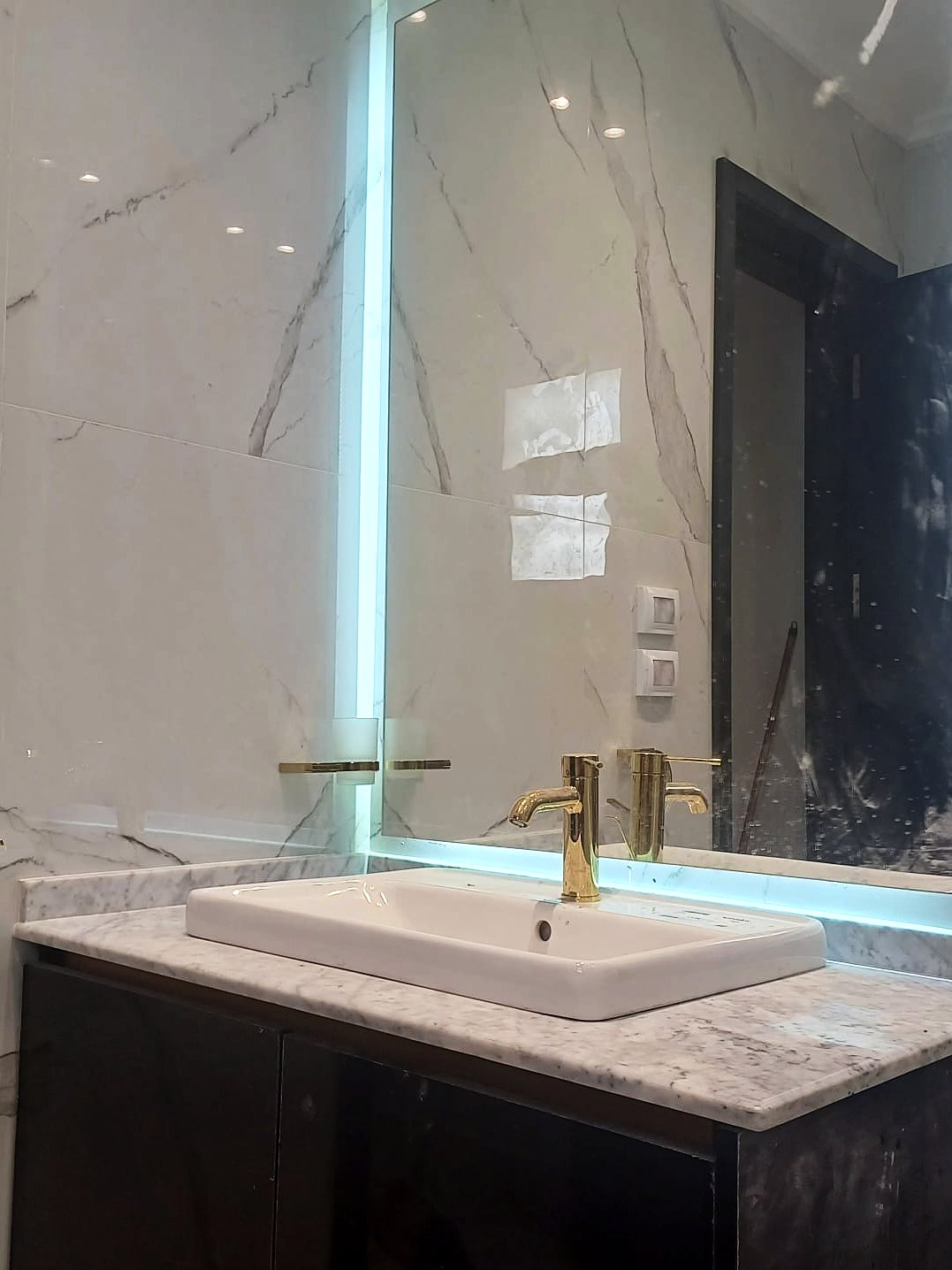
Bathrooms
Bathrooms are won and lost behind the tiles.
See more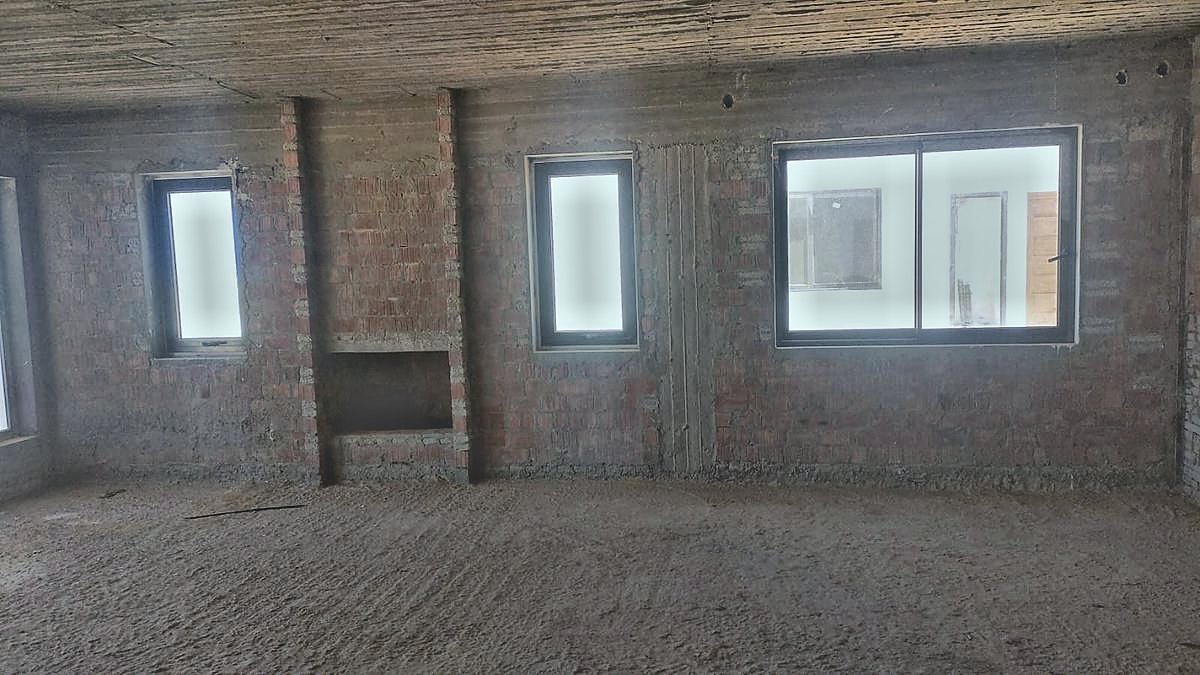
Windows & Doors
The window is the most expensive mistake in an Egyptian villa.
See moreWork we have done
Photo gallery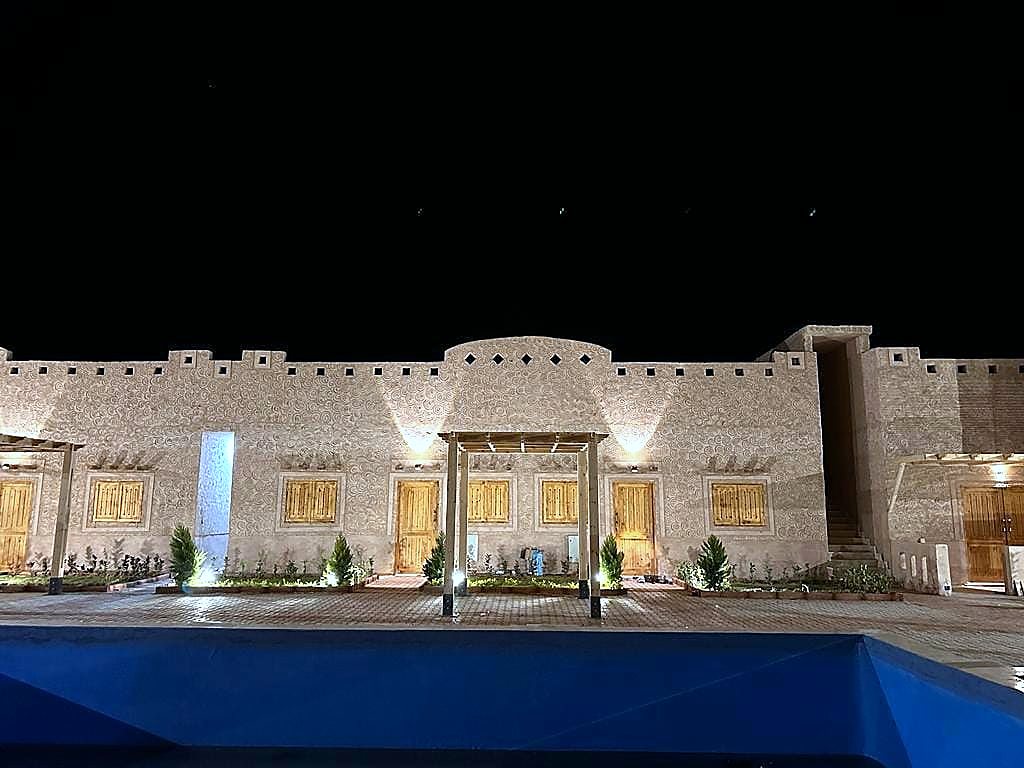
El Moghra
Turnkey build & finish · Desert lodge · Completed
View project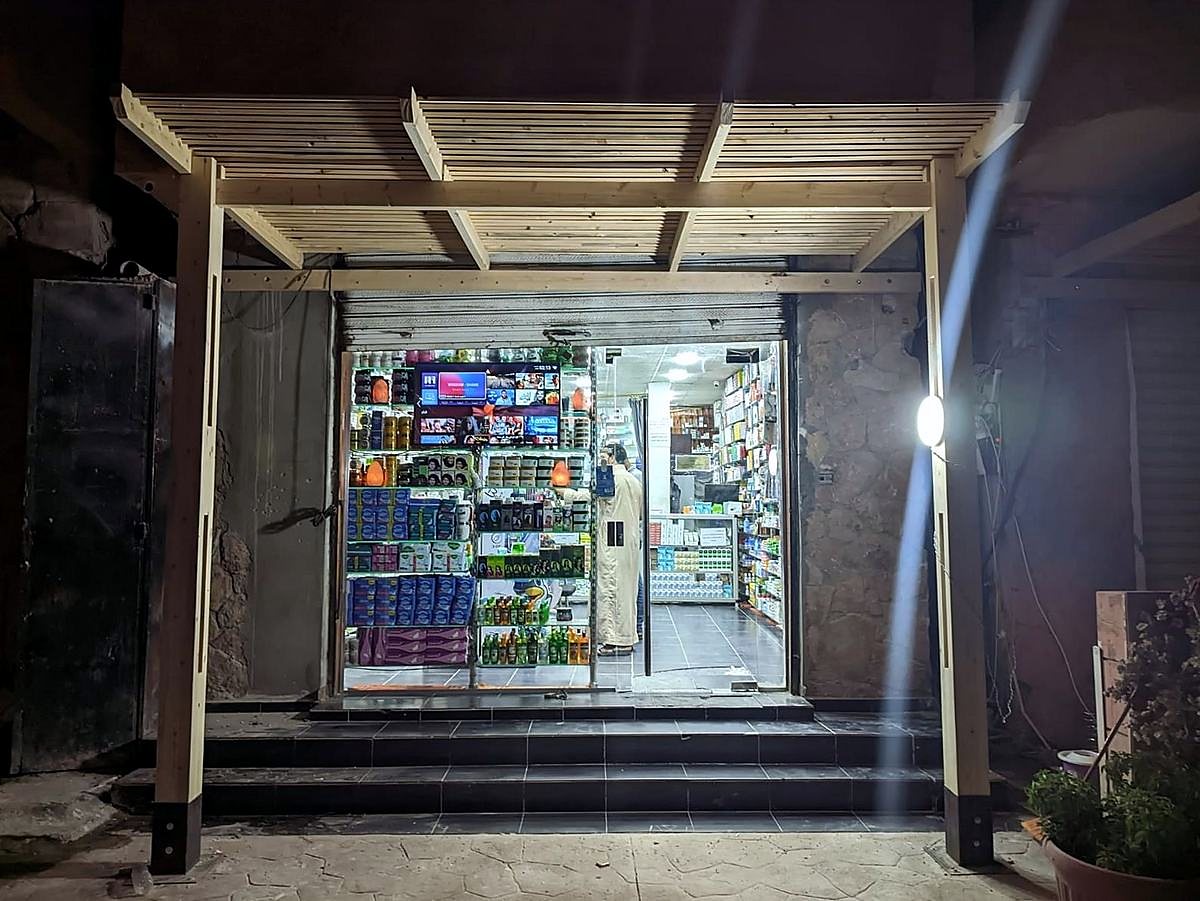
Market Street, Siwa
Façades, pergolas & shopfronts · A street of shops · Completed
View project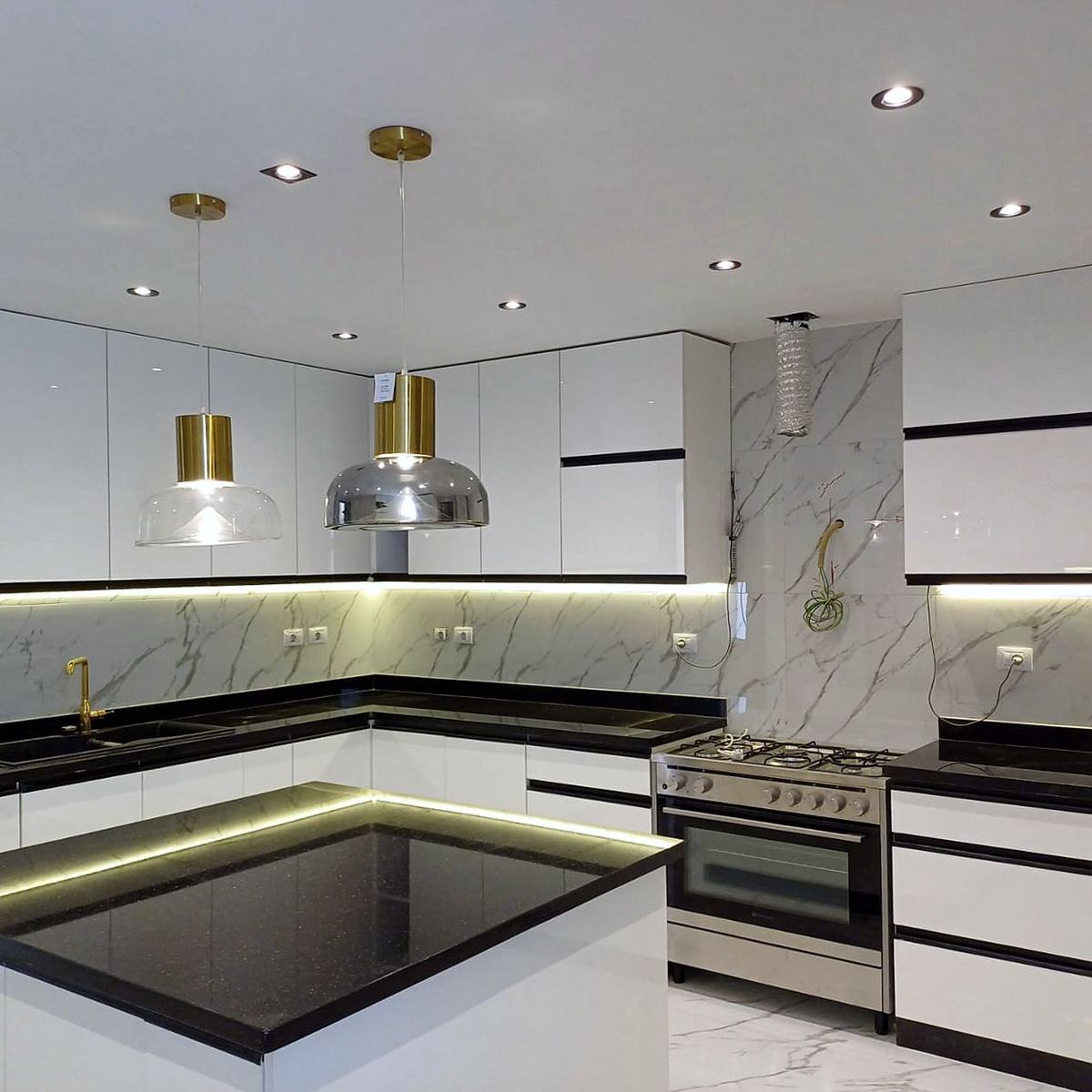
Sea-view Villa — Marble & Brass
Turnkey finishing · Villa · In progress
View projectQuestions people ask
Can you finish my chalet before summer?
What flooring is best for a chalet?
Aluminium and steel corrode by the sea. What's the fix?
Do you furnish chalets too?
How do I protect a chalet that sits closed all winter?
Read next
North Coast (Sahel)
See more Guides · MaterialsFinishing by the sea: what lasts and what fails
A finish that lasts for years in Cairo can fail within a few seasons on the North Coast. Salt, humidity, sun, sand and long…
See more Finishing · by propertyRoof terrace and penthouse finishing
A roof becomes either the best place in the house or the source of problems for everyone below it. The difference is the order…
See more Finishing · by propertyVilla finishing, inside and out
A villa is not a large apartment. It has several floors, a stair, a roof, a façade and a garden, and all of them need planning…
See more Guides