Finishing · by current state
Completing a semi-finished flat without ripping it out
Semi-finished does not mean half the work is done. It means someone else has already done work that you will build on, so you need to be sure it is sound and suits your layout before marble or porcelain goes on top.
What semi-finished usually includes
In Egypt, semi-finished (نص تشطيب) usually means plastered walls and ceilings, electrical and plumbing first fix, and door frames, with the rest left to the owner.
- Plaster on walls and ceilings, and sometimes a floor screed.
- Electrical first fix: conduit and boxes, and sometimes the cable and the board.
- Plumbing first fix: supply and drainage pipes for the bathrooms and kitchen.
- Door frames, and sometimes the outside windows.
- Usually not included: floors, doors, gypsum ceilings, paint, the kitchen, sanitary ware and air conditioning.
The definition is not fixed. Each developer writes its own specification in the contract annex, so read that annex before handover and compare every item with what is actually there.
Check before you build on someone else's work
Before you complete anything, inspect what was handed over, because a defect hidden under floors and paint is harder and costlier to fix later.
- Plaster: flatness with a long straightedge, square corners, cracks, and areas that sound hollow when tapped (plaster that has come away from the wall).
- Electrics: conduit routes and box positions, and whether the conduit and cable sizes suit the loads you plan.
- Plumbing: a pressure test on the supply pipes, and a check that the drains flow and are not blocked with plaster debris.
- Bathrooms: if the developer waterproofed them, a flood test of the floor for 24 to 48 hours and a look at the ceiling below. If not, waterproofing is the first item in completing them.
- Door frames and windows: plumb and level, with openings the right size for the doors you want.
- Window sills and balconies: falls that shed water outwards.
Write down every observation with a photo and hand it to the developer before you sign the handover. The full list is in our handover checklist guide.
What usually gets redone
Even when the developer's work is sound, some things usually change, because they were done for a generic layout rather than the way you live.
- Socket and switch positions, especially by the bed, where the television goes, and in the kitchen.
- The number of circuits and the board, if you will run several air conditioners, water heaters and electric kitchen appliances.
- The bathroom layout, if you move the bath, shower or basin.
- Kitchen points, if your kitchen design differs from the original drawing.
- Air-conditioning pipes and condensate drains, which are often not provided at all.
Changes at this stage mean limited cutting into the plaster, which is far less than breaking up finished tiles and paint later.
The next steps, in order
Completing a semi-finished flat follows the usual finishing order, starting with a check of what is there.
Inspection and drawings
Review what was delivered, then final drawings for the layout, electrics, plumbing and air conditioning.
Changes and missing first fix
Moving sockets and points, adding the air-conditioning first fix, and repairing any plaster that needs it.
Waterproofing and testing
Waterproofing bathrooms, kitchen and balconies, then a water test.
Gypsum board
Suspended ceilings and concealed lighting.
Floors and wall cladding
Porcelain or marble, and bathroom and kitchen wall tiling.
Paint and fit-out
Filler and paint, then doors, kitchen, sanitary ware and lighting, then cleaning and handover.
What sets the cost
The cost of completing a semi-finished unit depends on the condition of the developer's work, the number of changes and the final materials.
- The condition of the plaster and first fix: sound, or in need of repair or redoing.
- How much the layout, electrics and plumbing change.
- The floor and wall-cladding materials.
- The air-conditioning type.
- How much gypsum board ceiling there is.
- The overall level of finish.
We do not quote a price per metre. We survey the unit and write an itemised quotation that separates what is built on the existing work from what must be redone.
If the flat is in a compound
Compounds usually have their own finishing rules, and it is best to know them before you fix any dates. Ask about:
- Registering the contractor or workers with the management.
- Whether the owner must pay a fit-out deposit or fee.
- Working hours and permitted days.
- Which changes are allowed to the façade, windows and balconies.
- How materials come in and debris goes out.
Get all of this in writing from the management, because the rules differ from one compound to the next.
How Itmam completes a semi-finished unit
We visit the unit, check what the developer delivered, measure it, and write you an itemised quotation before any work starts.
On a finishing contract you pay each supplier directly and the tax invoice is in your name; our fee for supervision and execution is agreed in writing before work starts.
Kitchens, wardrobes, doors and vanities are made in our own workshops, and stone is templated, cut and installed by the same team. Materials are also available supply-only.
We work in Alexandria, on the North Coast and in New Cairo, where many units are handed over semi-finished.
Departments for this
Full Home Renovation
This is the contract most of our clients actually want: one company, one programme, one written quotation.
See more
Electrical & Smart Home
Electrics are invisible until they are a problem.
See more
Bathrooms
Bathrooms are won and lost behind the tiles.
See moreGypsum & Decorative Ceilings
The ceiling is where lighting, air conditioning and joinery all arrive at the same plane, which is why it is the first thing an eye catches when something is out.
See more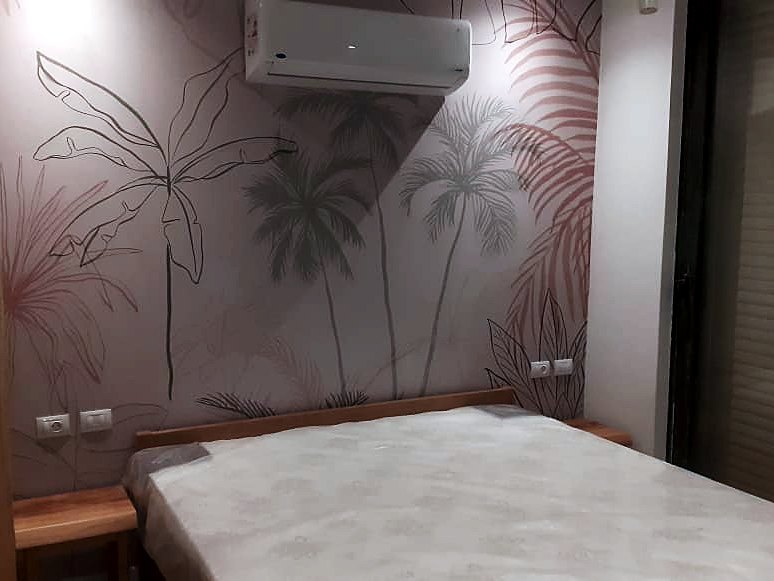
Painting & Decorative Finishes
Paint is the finish everybody judges and the trade everybody rushes.
See more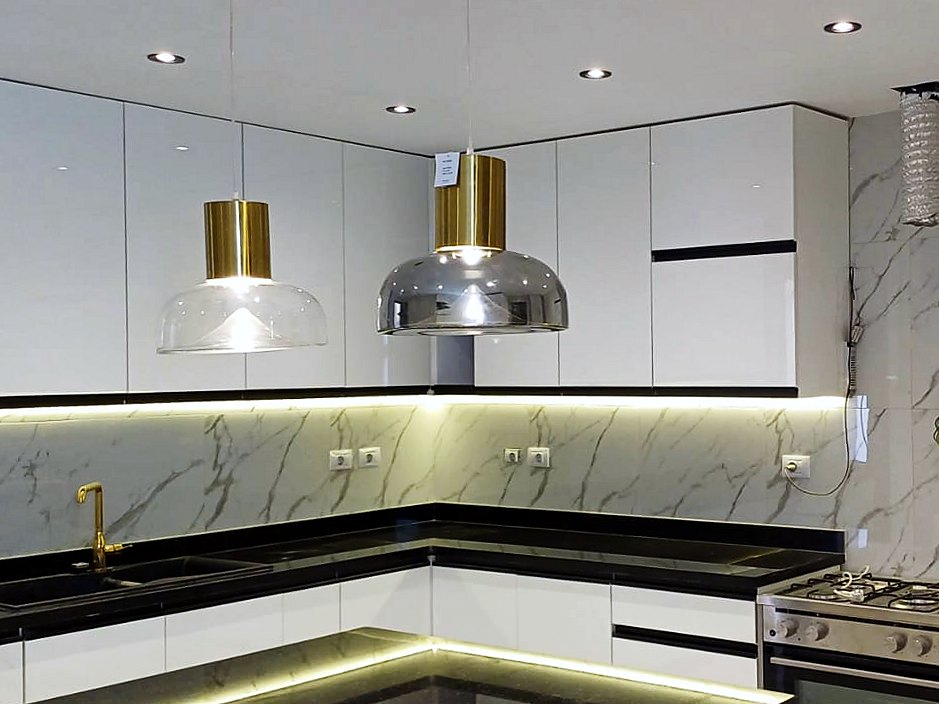
Kitchens
A kitchen is the one room where bad manufacturing shows up daily — a door that drops, a drawer that catches, a worktop joint over the sink.
See moreWork we have done
Photo gallery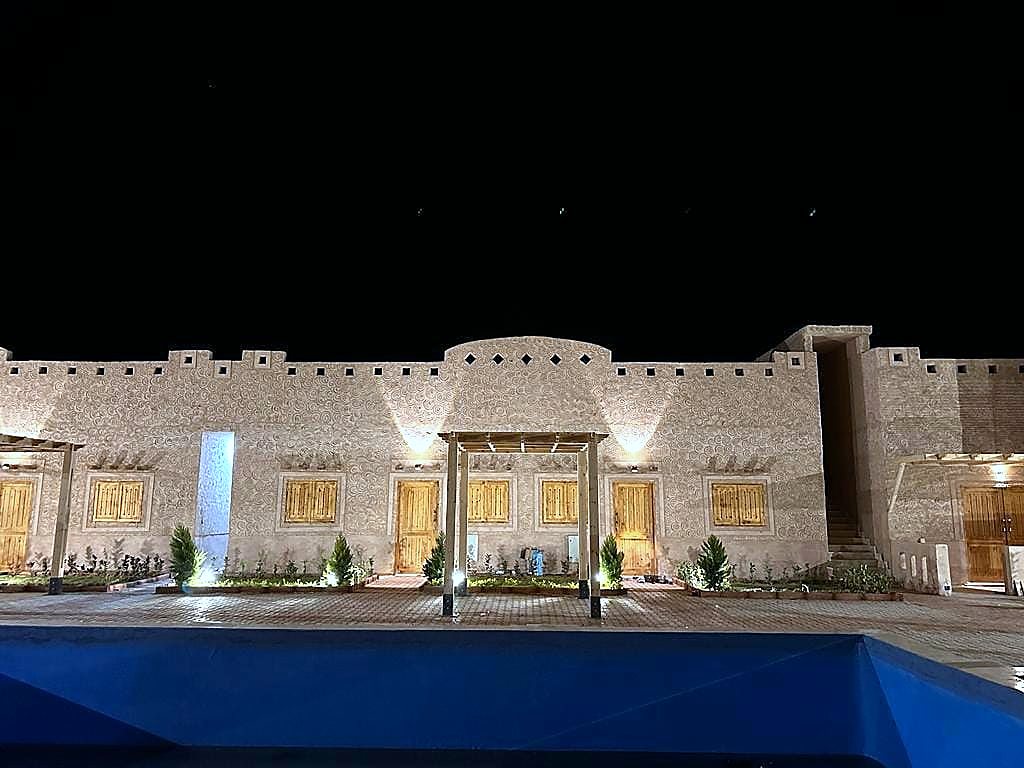
El Moghra
Turnkey build & finish · Desert lodge · Completed
View project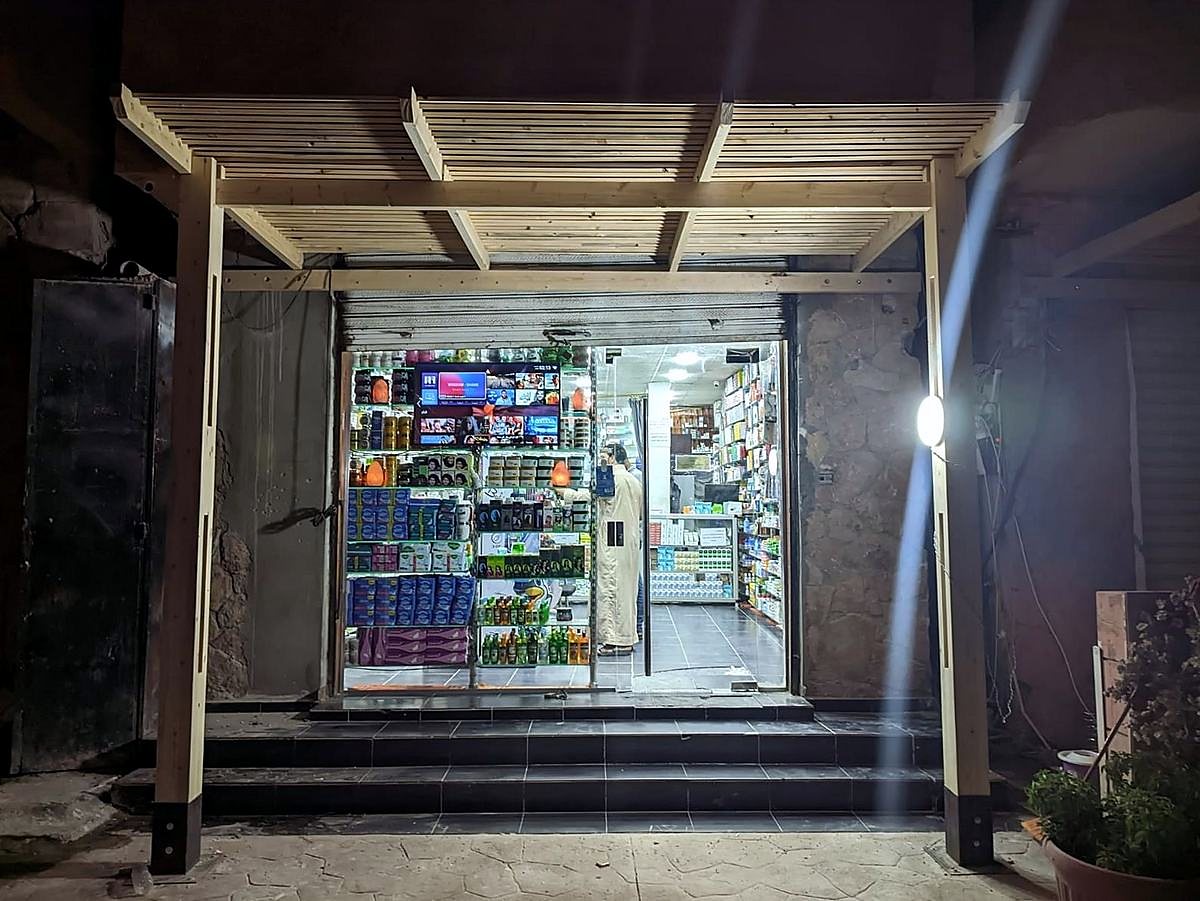
Market Street, Siwa
Façades, pergolas & shopfronts · A street of shops · Completed
View project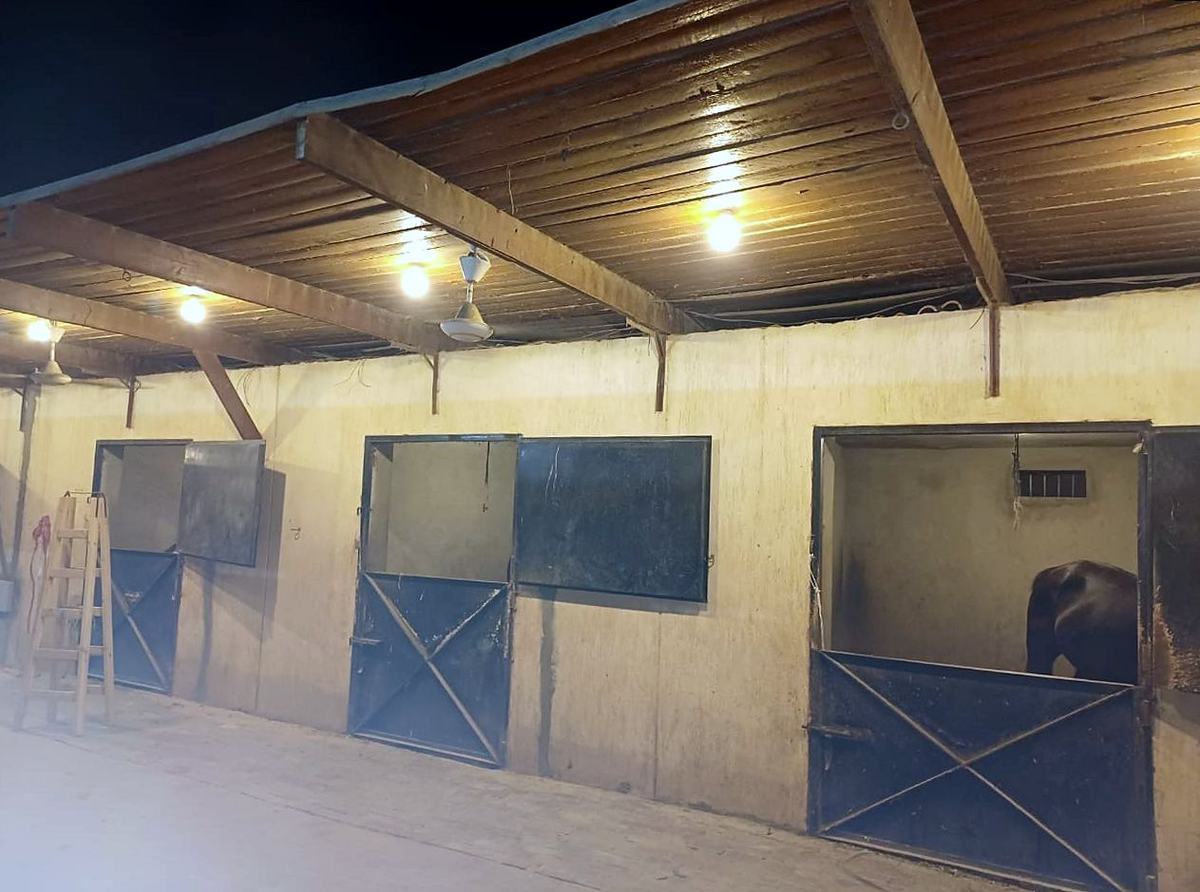
The Equestrian Yard
Stables, arena & yard · Working yard · In progress
View projectQuestions people ask
What exactly does semi-finished mean?
How do I take handover of a semi-finished flat?
Do I have to rip out the developer's rough-ins?
Does completing a semi-finished unit always cost less than finishing from red brick?
The developer's plaster is cracked. What now?
Read next
Taking handover: what to check before you sign
Handover is the last moment when defects are easy to fix. Go through the unit room by room, with the power and water on, and…
See more Guides · During the workFinishing a flat, step by step
Finishing has a right order, and most expensive mistakes come from breaking it. Here is the sequence from bare walls to…
See more Finishing · by current stateFrom red brick to keys
Took handover of a unit in red brick? Then everything is still ahead of you, and this is the best moment to make the decisions…
See more Finishing · by levelFinishing levels in Egypt, item by item
Lux, super lux and ultra super lux are words the whole market uses, and every company means something slightly different by…
See more Guides · Before you startThe finishing BOQ: every line that should be written down
A muqaysa, or bill of quantities, lists every job and material in your finish with its unit and specification. Read properly, it…
See more Guides