Finishing · by property
Shop, café, restaurant and pharmacy fit-out
A shop, café or restaurant fit-out is not a flat: the unit receives the public every day, needs a licence and Civil Defence sign-off, and the rent runs from the day you take the keys. Here is what sets apart the fit-out of shops, cafés, restaurants and pharmacies, from the shopfront and the kitchen to the power and lighting, and what the quotation should list. Itmam is based in Alexandria and works across Egypt when the job suits.
How is a shop fit-out different from a flat?
A commercial unit is finished to trade and to be licensed before it is finished to look good, so the decisions start from the use and the authorities, not from the decoration.
- Use and licence: check the requirements for your activity with the district office or the authority that licenses shops before the layout is fixed, and get them in writing. A restaurant or a pharmacy has different requirements from a clothes shop.
- Civil Defence: shops are usually expected to have fire-fighting provision, detection, alarm, emergency lighting and clear escape routes. What your unit needs depends on its use, area, the number of people inside and the building, so settle it with Civil Defence at the start, not after the fit-out.
- The lease and the building: make sure the lease and the building’s or mall’s rules allow your activity, the extraction route, the position of AC outdoor units and the sign.
- Traffic and cleaning: floors, counters and walls take far more footfall, knocks and daily mopping than any flat.
- The rent runs: every day the opening slips has a cost, so the sequence of work is part of the design.
Shopfront and signage
The shopfront is the shop’s permanent advert, but it is also the part most controlled by the mall’s, the building’s or the district’s rules.
- Shopfront glass: 10 to 12 mm toughened, framed or frameless on floor springs, with the direction the door opens checked against the escape requirements.
- Shutters and canopies: a shutter to close the shop at night, and a canopy or pergola to shade the front, to a coastal specification if the shop is near the sea.
- The sign: a mall usually sets the size, material, lighting and installation times of the sign, so ask for its rules before the design. On a street, ask the district office and the building management about the sign before it is made.
- Power for the sign: its own circuit with a timer, and the cable route left in before the shopfront is finished.
- The first metre inside the glass is the first display a passer-by sees, so plan it the way you plan the window.
Floors and surfaces that take the traffic
Choose a shop’s surfaces for footfall, daily cleaning and water first, and for looks second.
| Area | Best choice | Watch for |
|---|---|---|
| Entrance | Matt porcelain with a suitable slip rating, and a recess for a mat | Rain and sand carried in from the street, and a level that keeps water out |
| Sales floor and seating | Full-body porcelain, or marble and granite | Chairs and trolleys scratch, and marble marks with juices and acidic cleaners |
| Restaurant and café kitchen | Slip-resistant porcelain or a resin (epoxy) floor, with coved skirtings | Oil, water and mopping with disinfectant, and falls to the floor gullies |
| Counter | Granite, quartz or sintered stone | Marble looks finer but stains, and joints are sealed with hygienic upstands |
| Walls | Washable paint, a tougher cladding where chairs rub, and stainless or porcelain behind preparation areas | Protection for exposed corners in walkways |
Full-body porcelain carries its colour right through the tile, so a chipped edge does not show a different colour, which matters in a shop where trolleys cross the floor every day.
Restaurant and café kitchens: extraction, drainage and grease traps
In a restaurant the kitchen is planned first and the dining room second, because the extraction, gas and drainage decide whether the unit works at all.
- Extraction: a stainless canopy with grease filters, a sealed duct carried up to roof level, and make-up air so the kitchen does not pull air from the dining room. A short duct discharging into a ceiling void or a side wall is what gets units closed after neighbours complain.
- The extraction route is agreed with the landlord and the building management before any equipment is ordered, because it is the item that most often holds up an opening.
- Drainage: a grease trap ahead of the main drain line, floor gullies with falls towards them, and the trap placed where it is easy to open and clean regularly, because congealed fat blocks the line.
- Gas: any connection or change to the gas line is a matter for the gas company, and the cooker positions are fixed before the first fix.
- Cafés: the coffee machine needs water, a drain and its own power at the counter, plus a water filter if the supplier asks for one, and an oven needs an extraction route even when the kitchen is small.
Power, air conditioning and lighting that sells
A shop draws more power than a flat, and draws it all day, and its lighting is a sales tool rather than just light, so both are designed around the equipment list and the product.
- Capacity: add up the fridges, ovens, coffee machine, air conditioning, lighting and sign, and compare the total with the meter’s capacity early, because increasing the supply needs an application to the electricity company and takes time.
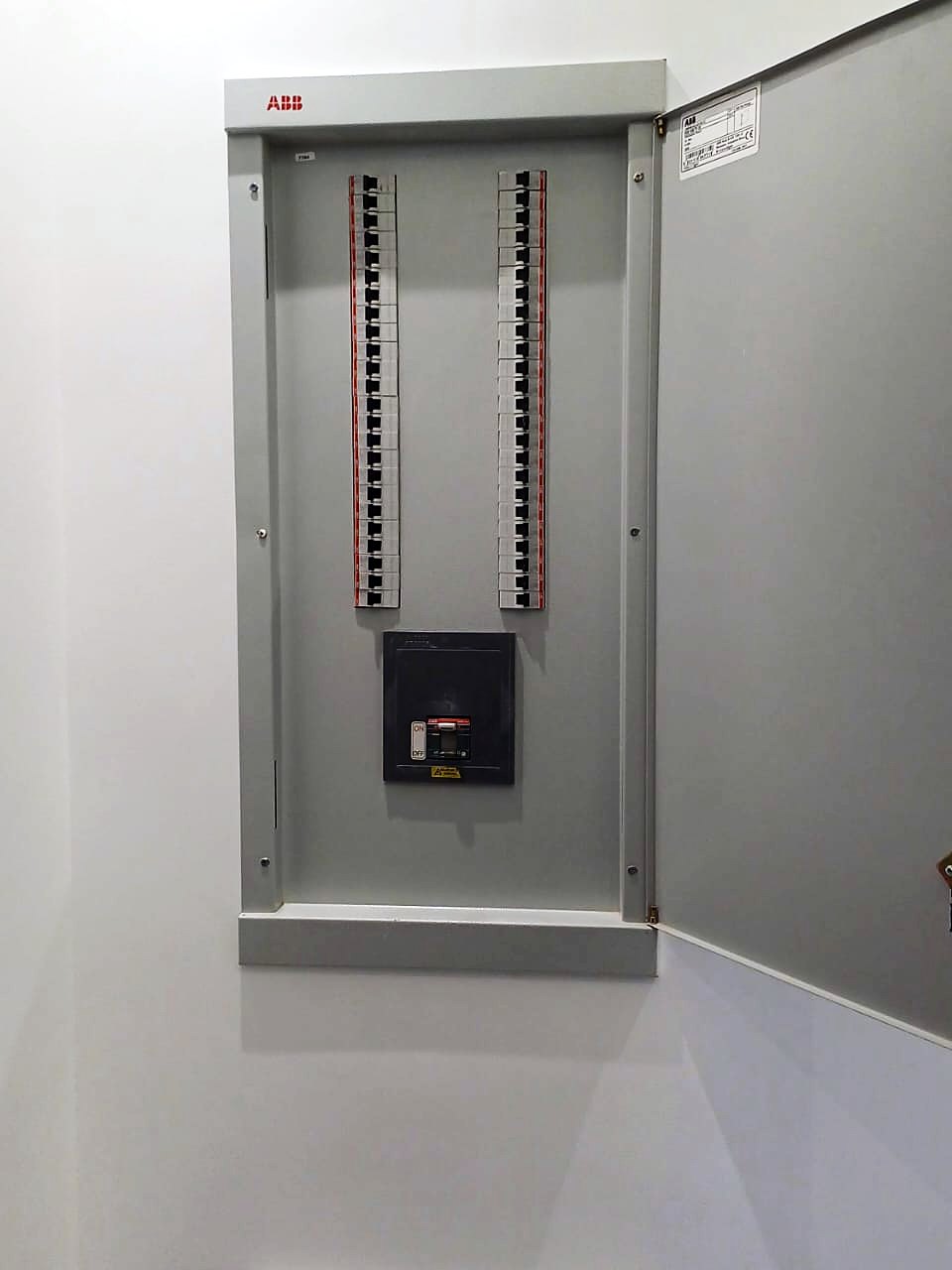
- Dedicated circuits for the large equipment, earth-leakage protection, and clean power and data for the till, card machines and screens.
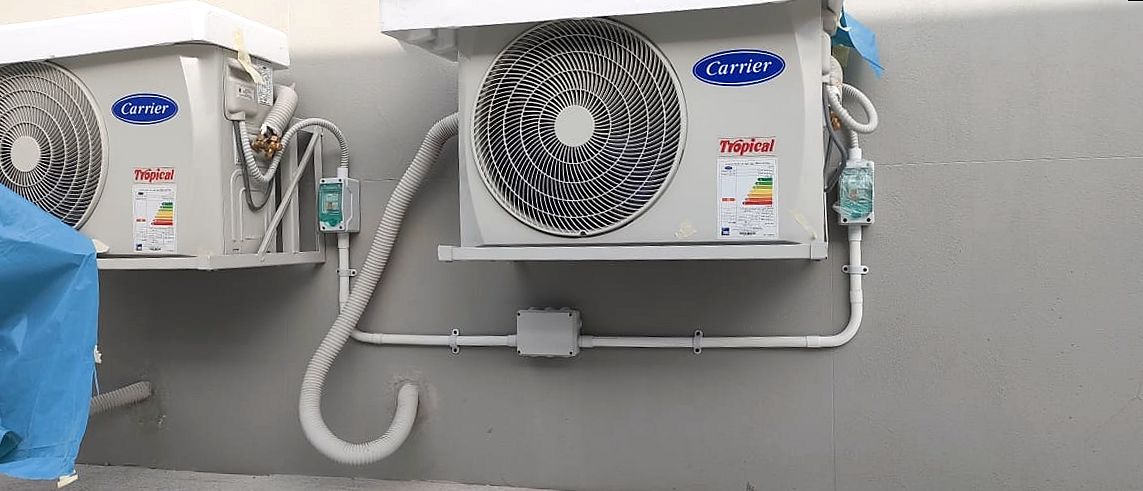
- Air conditioning: a door open all day, crowds, kitchen heat and a glass front in the sun all add to the load. Concealed ducted units suit a suspended ceiling and splits are simpler; both need a drain to a real outlet and a permitted place for the outdoor units.
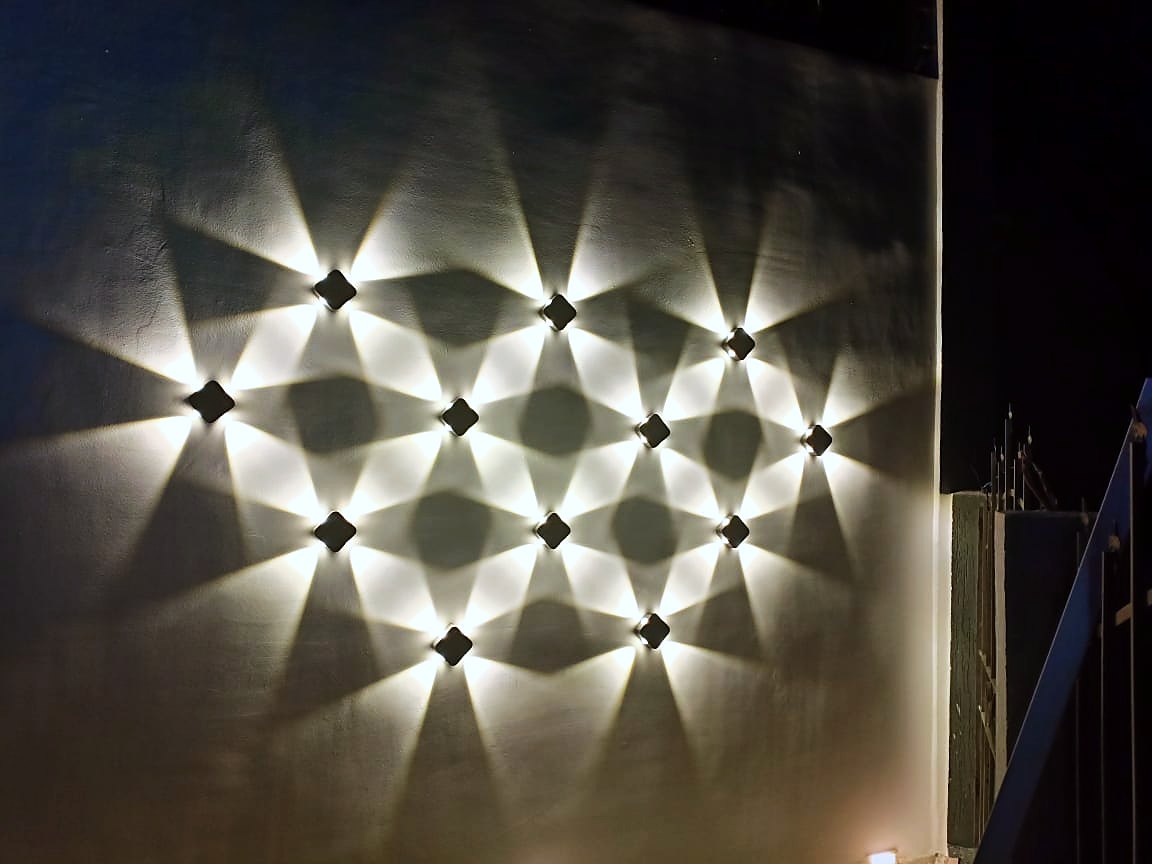
- Lighting: spots and track on the product and the counter, warm light in seating areas, calm, low-glare light in a pharmacy, and one colour temperature throughout the shop.
- Clothes shops: LED fittings with a high colour-rendering index so fabric shows its true colour, and light from the front in fitting rooms, not only from overhead.
Pharmacies and clothes shops: the particular details
A pharmacy or clothes shop fit-out revolves around storage and display, and each has its own details.
- Pharmacy: shelving behind the dispensing counter with depths and spacings that suit the packs, drawers for small items, and a dispensing counter worked standing up, with room for the computer and the till.
- Medicine storage: away from direct sun, heat and damp, with the medicine fridge on its own circuit. Check the current storage and licensing requirements with the relevant authority and your syndicate before the layout is fixed.
- Pharmacy surfaces: washable finishes and a floor with few joints.
- Clothes shop: wall display systems whose heights change with the seasons, room to move between the rails, mirrors, and fitting rooms with a solid door or a well-closing curtain, a hook and a seat.
- The stockroom: not carved out of the shop at the last minute, but planned from the start with shelving and a delivery route.
Opening on time: what the quotation should list
The shortest route to opening on time is to fix the design and the equipment list before work starts, and to order the long-lead items first: the extraction route and its approval, the stone counter template, imported equipment and the sign permit. In malls that do not allow work during trading hours, we work at night with floor protection and dust and noise control, and hand the space back clean each morning. In the quotation, each of these is its own item:
- The layout, the stockroom and the toilets.
- The shopfront: glass type and thickness, the door, the shutter and the canopy.
- Floors, walls and ceilings: the material, size and specification for each area.
- Counters and joinery: material, thickness and dimensions.
- The kitchen: the canopy, the duct and its route to the roof, make-up air, the grease trap and the gullies.
- Electrics: the board and dedicated circuits, each type of lighting, and power for the sign.
- Air conditioning: type, capacity, unit positions and drain lines.
- Civil Defence works to the written requirements for your unit.
- What is not included: equipment, appliances, loose furniture and licences, so there are no surprises.
Our finishing quotation guide explains how to read any quote line by line.
Itmam and shop and café fit-outs
Itmam has finished clinics and offices, and shops, cafés, restaurants and pharmacies are part of our work: shopfronts and glazing, ceilings, electrics, air conditioning, floors, counters and Civil Defence works. Counters, cabinets, doors, stone tops and metalwork are made in our own workshops and installed by the same team.
We visit, measure, and go through your activity, equipment list and written requirements with you, then give you a written, itemised quotation before work starts. On a finishing contract you pay each supplier directly at their price, and the tax invoice is in your name; our management fee for supervision and execution is agreed in writing before we begin, and we add nothing to the price of materials. Supply-only is available.
We are based in Alexandria: head office in El Ibrahimya, marble and granite showroom in El Deresa, Moharram Bey. We work in Alexandria, on the North Coast and in New Cairo, and elsewhere in Egypt when the job suits us. Itmam was founded in 2016, with 20+ years in the trade. Phone and WhatsApp +20 106 926 2572, Saturday to Thursday, 09:00 to 18:00.
Departments for this
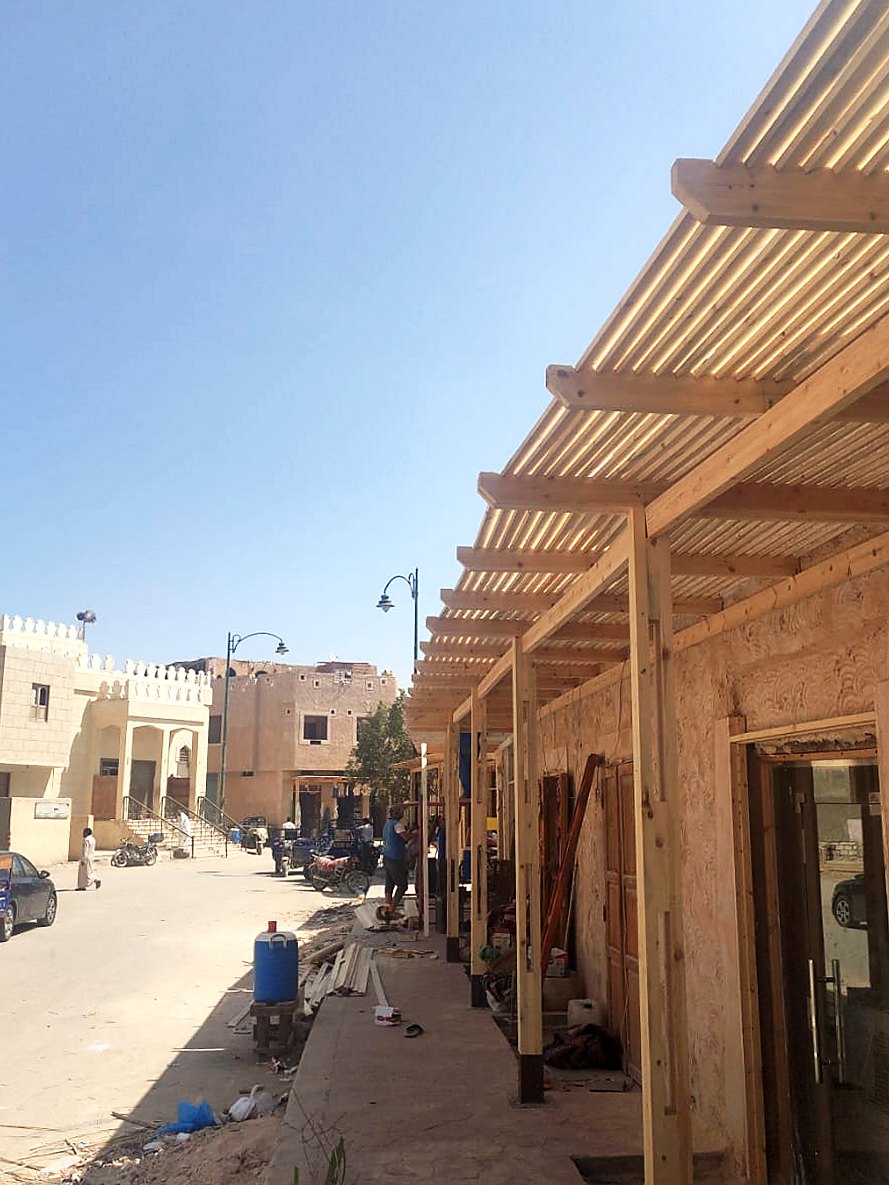
Restaurants, Cafés & Shops
A commercial unit has two hard deadlines: the day you said you would open, and the day the authorities decide whether you may stay open.
See moreElectrical & Smart Home
Electrics are invisible until they are a problem.
See more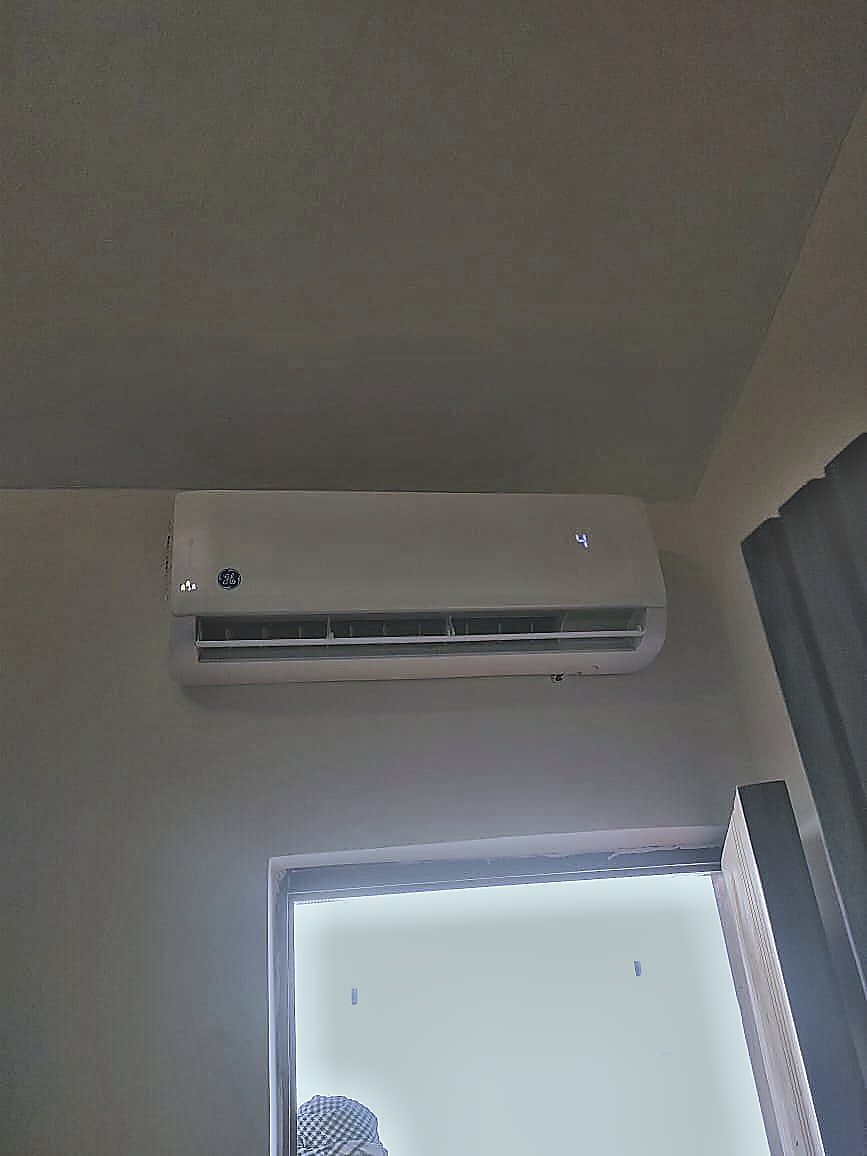
Air Conditioning & Ventilation
Air conditioning is the system nobody thinks about until it fails, and then it fails visibly: a brown stain spreading across a new gypsum ceiling, a bedroom that never gets cold because the unit was chosen from a catalogue, an outdoor condenser eaten through by three seasons of salt.
See more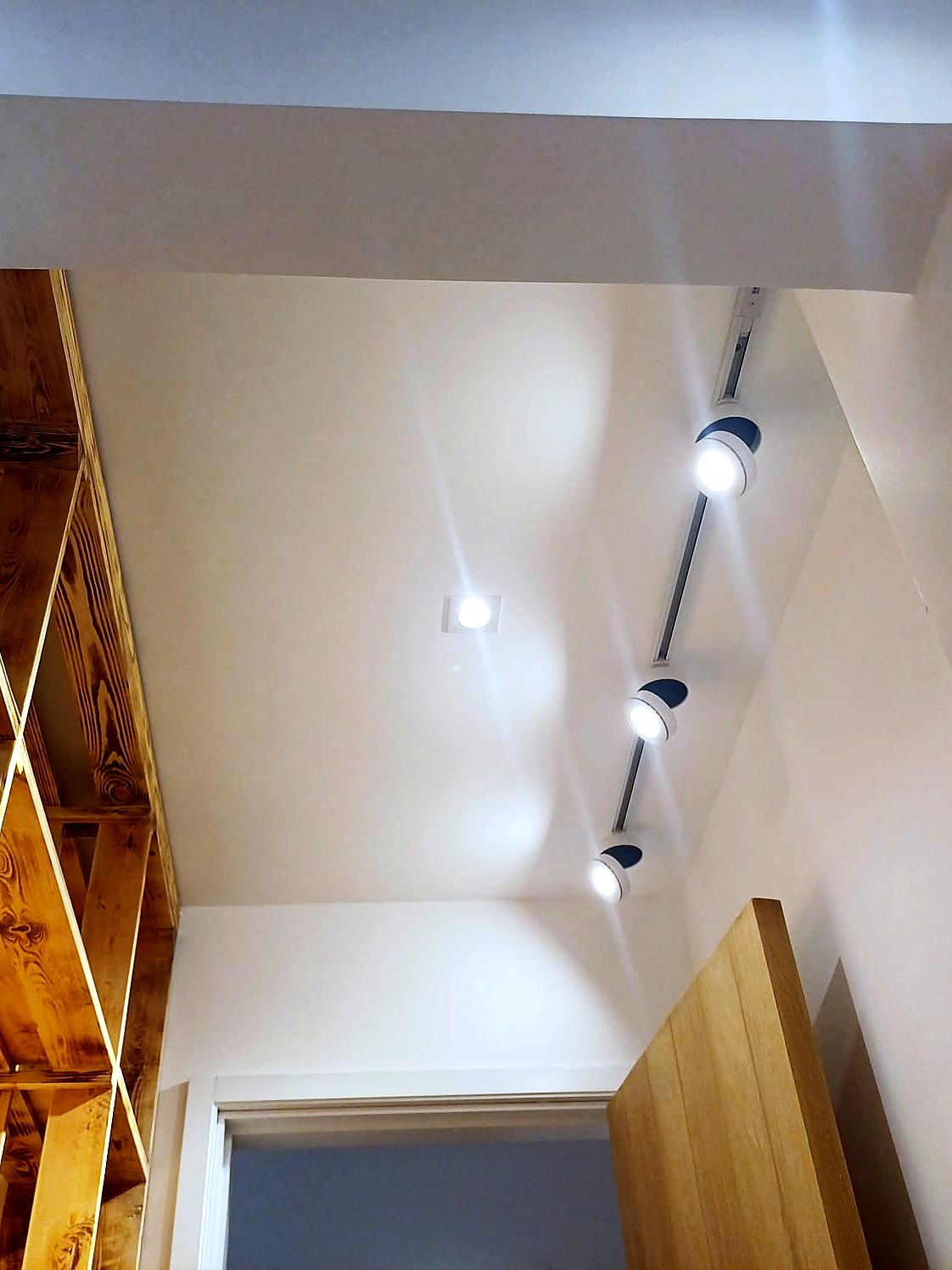
Gypsum & Decorative Ceilings
The ceiling is where lighting, air conditioning and joinery all arrive at the same plane, which is why it is the first thing an eye catches when something is out.
See more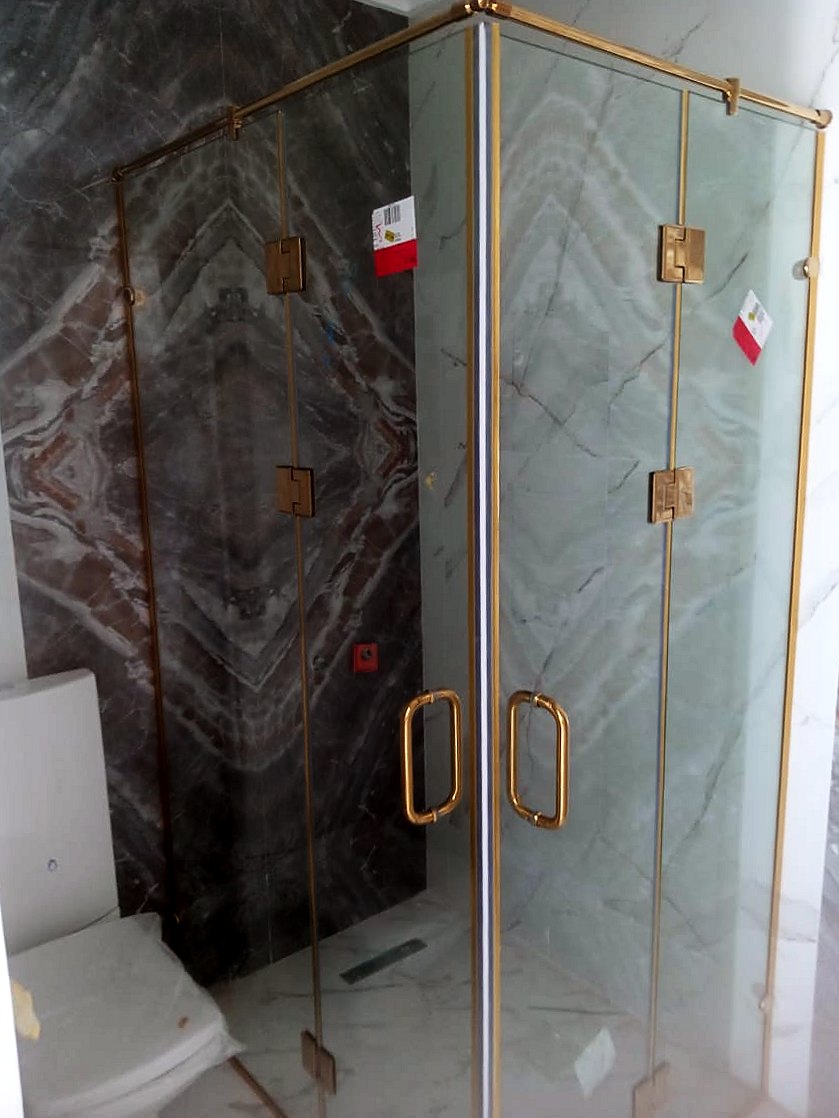
Aluminium & Glass Works
Glass is unforgiving.
See moreTiles, Porcelain & Ceramics
Tile is a material people are perfectly happy to buy months before anybody lays it, and we sell it exactly that way — by the lot, with no fitting contract attached.
See moreWork we have done
Photo gallery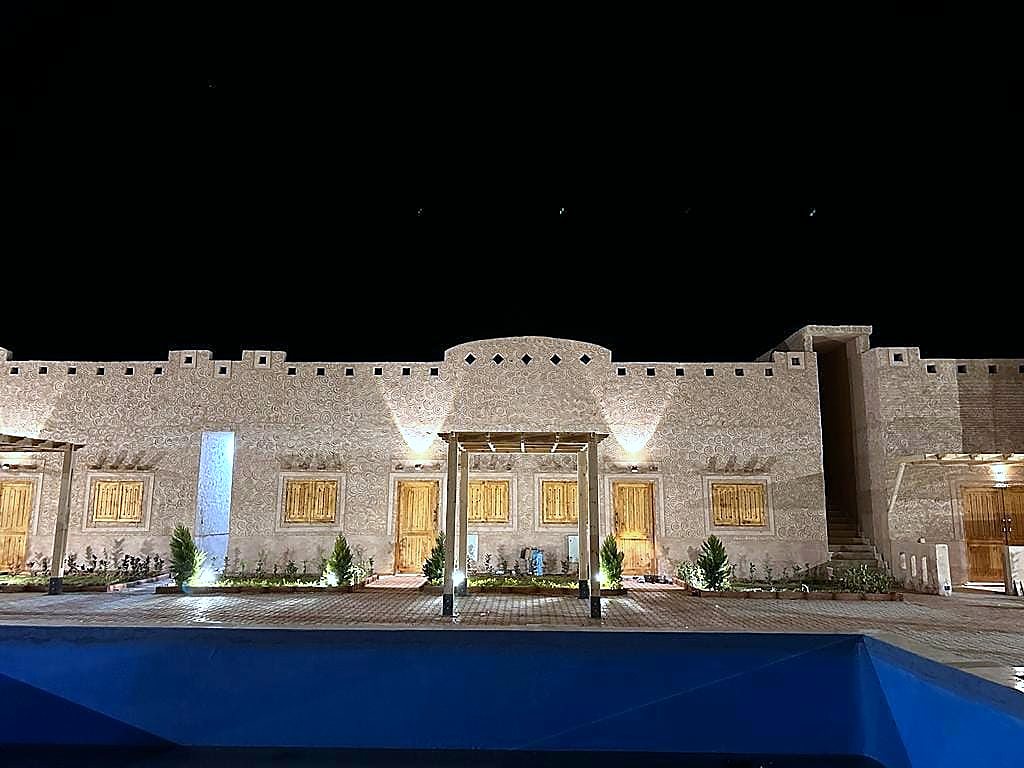
El Moghra
Turnkey build & finish · Desert lodge · Completed
View project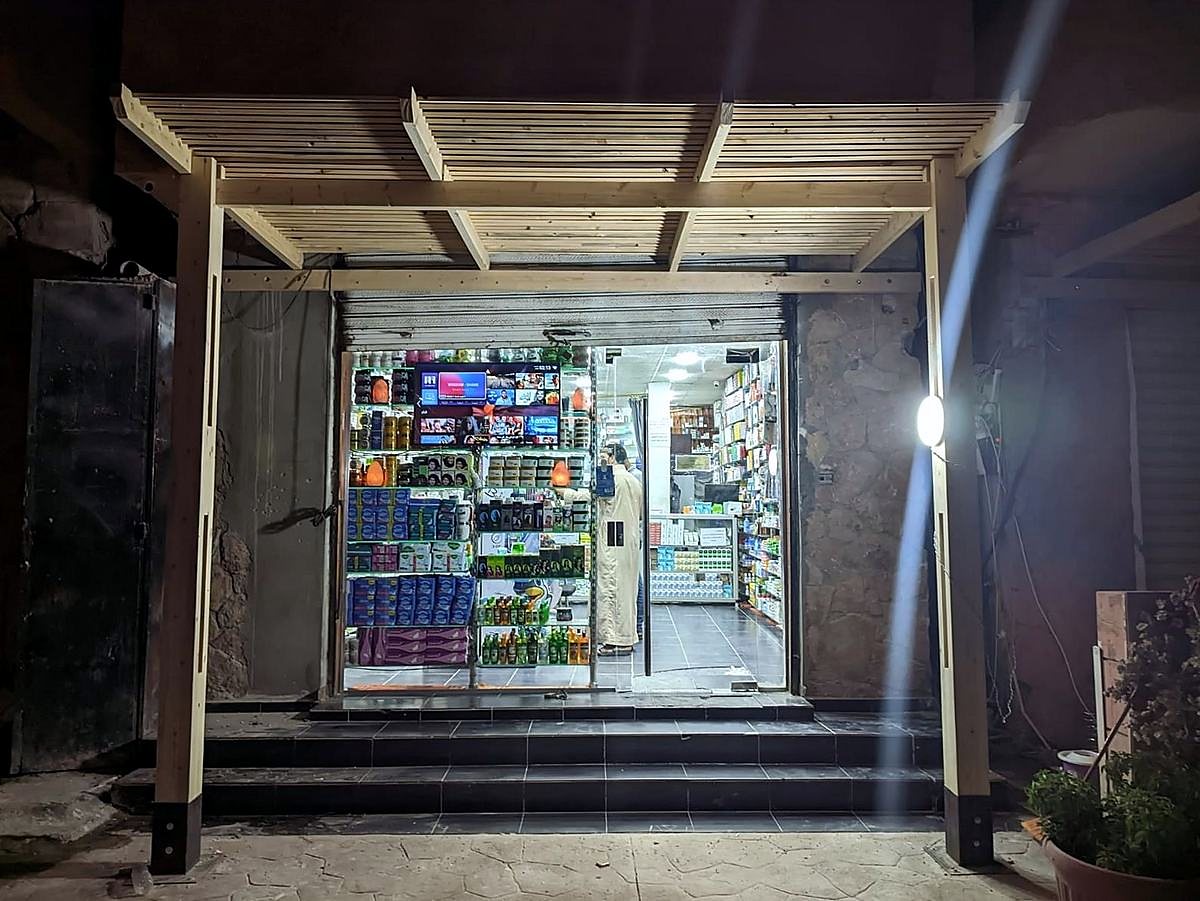
Market Street, Siwa
Façades, pergolas & shopfronts · A street of shops · Completed
View project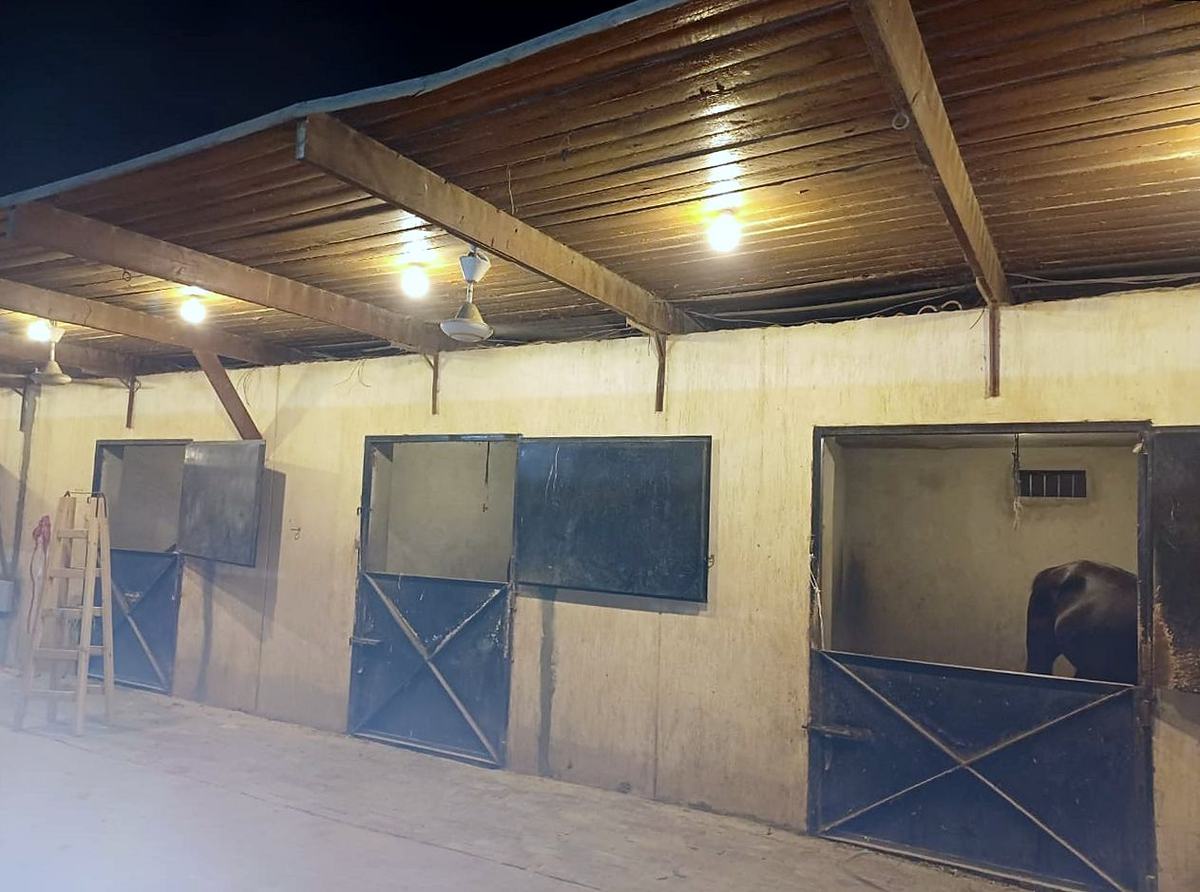
The Equestrian Yard
Stables, arena & yard · Working yard · In progress
View projectQuestions people ask
Does a shop or café need Civil Defence approval?
How is the cost of a café or pharmacy fit-out worked out?
What does a modern café fit-out mean?
How do I choose a café or restaurant fit-out company?
Can you work at night in a mall?
What matters most in a clothes shop fit-out?
Read next
Medical and dental clinic fit-out
A clinic is finished to be cleaned every day, to carry equipment and to receive patients, not just to look good. Itmam has…
See more Finishing · by propertyOffice fit-out
An office is a workplace before it is a decoration project. It has to hold the people, the equipment and the meetings, be…
See more Finishing · exteriorsVilla façades
The façade is the first thing anyone sees of a villa, and the part that faces the sun, rain and salt every day. Here are the…
See more Decoration · by styleHidden lighting: plan it before the gypsum
Hidden lighting is decided at the electrical first fix and built into the gypsum board. Planned in layers, in the right colour…
See more Guides · materialsChoosing floors, room by room
Floors cover more of your home than any other finish, and they are the hardest thing to change later. Here is how porcelain…
See more Guides · Before you startThe finishing BOQ: every line that should be written down
A muqaysa, or bill of quantities, lists every job and material in your finish with its unit and specification. Read properly, it…
See more Guides · before you signThe finishing contract, clause by clause
Most finishing disputes start with something the contract did not say. This is a general checklist of the clauses an owner…
See more Areas · AlexandriaAC installation in Alexandria: first fix, installation and commissioning
Installing air conditioning in Alexandria means dealing with salty sea air, high humidity all year round, and older buildings…
See more Areas