Guides · materials
Egyptian marble, type by type
Egypt quarries many marbles, and most of them are beige, but they are not interchangeable. Here is what the main types look like, where each one works, how finishes and grades change them, and how to look after them.
Where Egyptian marble comes from
Most of the Egyptian marble in our catalogue comes from four areas, and the area tells you a lot about the colour family.
- Galala Mountain, Suez Governorate: the Galala family, meaning Galala Classic, Galala Extra, Perlato Galala and Galala Gold. Warm cream-beige with a fine, even crystal.
- Minya, Upper Egypt: the Sunny grades, Silvia Menia, Samaha, Beige Menia, Crema Egypt, Breccia Menia and the Milly Gray greys.
- Sinai: Katrina, Sinai Pearl, Golden Sinai and Breccia Sinai, with Imperial Grey from North Sinai.
- The Eastern Desert and Suez: Triesta, Royal Beige, Cleopatra, Hashma Beige, Khatmeya, Goldi, Royal Grey, Fillito and the Golden Cream stones.
Egyptian alabaster, from Luxor and Beni Suef, sits in the same section of the catalogue but is a different material: a soft, translucent, banded calcite for backlit panels and feature walls, never for floors.
Beige and cream: the calm stones
Beige and cream marbles are the everyday choice for floors because they read as one quiet surface across a large room. The differences are in tone, crystal and movement:
- Galala Classic: warm cream-beige with a fine, even crystal and soft clouding. The usual choice when a big floor must look continuous, and supply is deep, so later orders can be matched.
- Galala Extra: not a different quarry but a selection of the palest, most uniform Galala blocks. A cream that behaves almost like a neutral.
- Perlato Galala: beige broken by pearl-coloured clouds. The pattern hides foot traffic and light wear.
- Silvia Menia: mid beige with a faint grey undertone and very little figure. Its colour holds steadily, which helps when a job is delivered in phases.
- Triesta: a pale, slightly pink-warm beige with hairline veins you only see up close.
- Crema Egypt and Cleopatra: the lightest grounds. The first is a milky cream with almost no veining; the second a creamy off-white with soft grey shadowing.
- Samaha: warm mid beige with a slightly coarser crystal that gives honed and brushed finishes a sandy feel underfoot.
- Katrina: cream with visible shell and fossil figure, refined when filled and polished, textured when brushed.
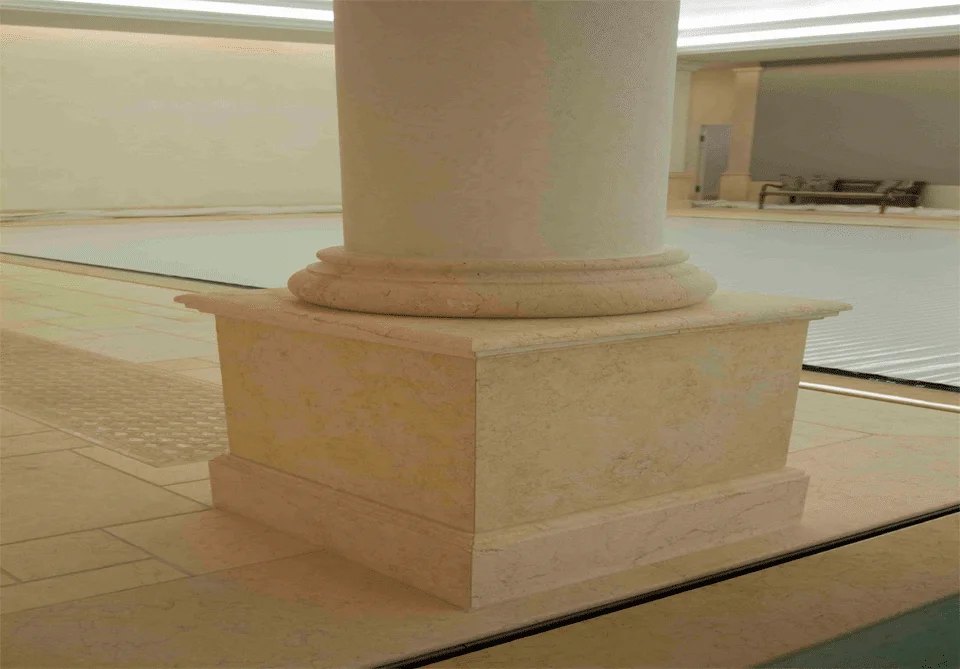
Others in the same family include Beige Menia, Egyptian Botticino, Sinai Pearl (a cooler pearl cream), Beige Dune and Royal Beige, the most decorative of the beiges, usually kept to one surface such as an entrance floor or a stair.
Golden and honey: the warm stones
Golden marbles bring warmth to a room, and the main decision is how strong you want that warmth to be.
- Sunny Menia: golden honey with fine horizontal movement. Vein-cut and cross-cut give two genuinely different looks from the same block, so say which you want when you order.
- Sunny Medium, Sunny Dark, Sunny Oro and Sunny Oro Light: lighter and darker grades from the same Minya bed. Light and dark grades are often laid together, with dark bands framing light fields.
- Galala Gold: Galala with a warm gold thread running through the beige.
- Khatmeya and Goldi: warm golden-beige stones from the Eastern Desert, consistent enough to run across a whole floor.
- Golden Sinai: a dense, deep gold that the catalogue lists for façades, outdoor paving and pool surrounds as well as interiors.
- Golden Cream: a cream ground with gold veining. Cut along the bed it gives straight parallel lines; cut across it, it opens into rounded, flowering figure.
Grey, breccia and feature stones
Grey and patterned marbles are where Egyptian stone gets graphic, and they are usually at their best on walls and single feature surfaces.
- Milly Gray: a cool mid grey with white veining that can be book-matched into large symmetrical panels. Vein direction is strong, so cutting instructions matter.
- New Milly Gray: a lighter ground with straighter, more parallel veins. Adjacent slabs match more predictably, so it is easier to lay in volume.
- Imperial Grey and Imperial Grey Dark: a fine-grained silver grey with pale crystalline veins, and a darker, charcoal selection from the same bed.
- Royal Grey: an even mid grey with a calm figure, suited to large floors. Honed, it reads almost like concrete.
- Breccia Menia and Breccia Sinai: broken fragments of older stone cemented in a pale matrix. No two slabs repeat and blocks are occasional, so they suit one feature wall, a bar front or a reception desk.
- Fillito: beige crossed by thin dark lines at a consistent angle, at its best book-matched on a wall.
Which stone works where
This table is a starting point by use. The final decision comes after you have seen the actual slabs.
| Use | Good starting points | Worth knowing |
|---|---|---|
| Large interior floors | Galala Classic, Silvia Menia, Sunny Menia, Royal Grey, Beige Menia | A calm, steady colour hides joints. Order the whole floor from one batch |
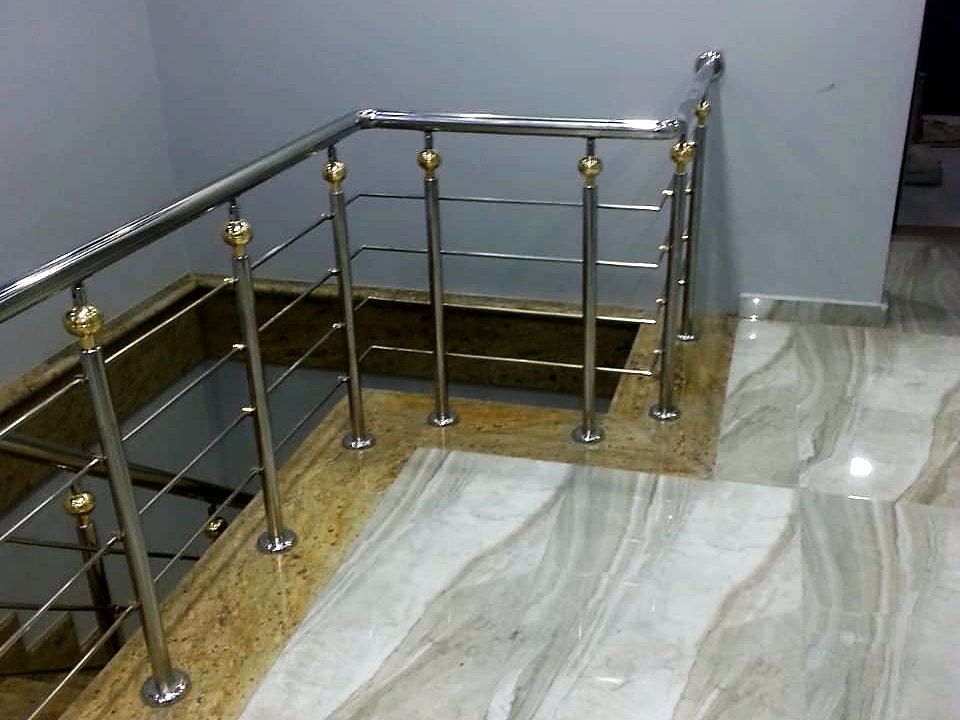
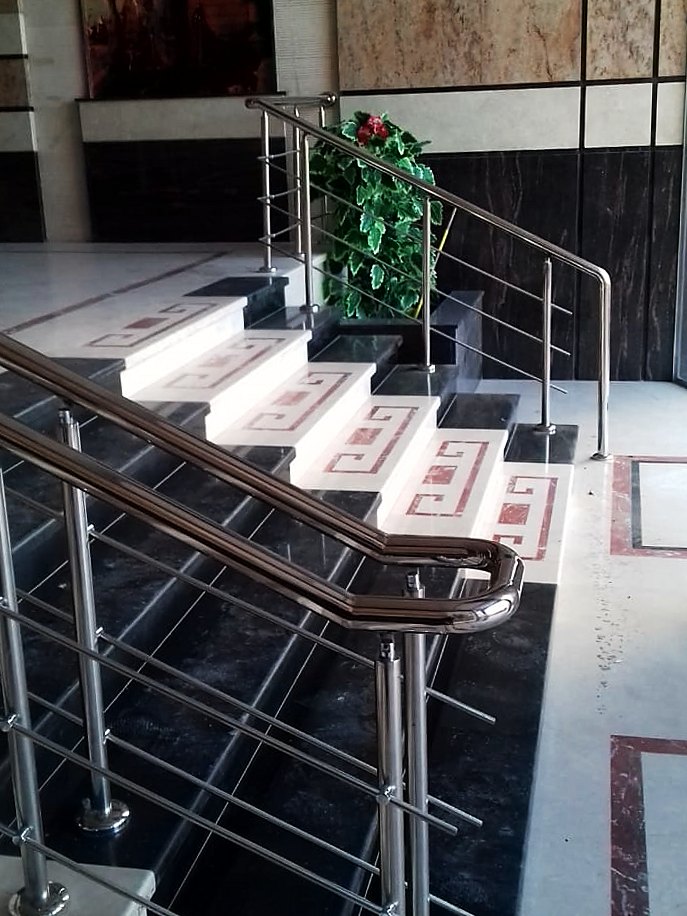
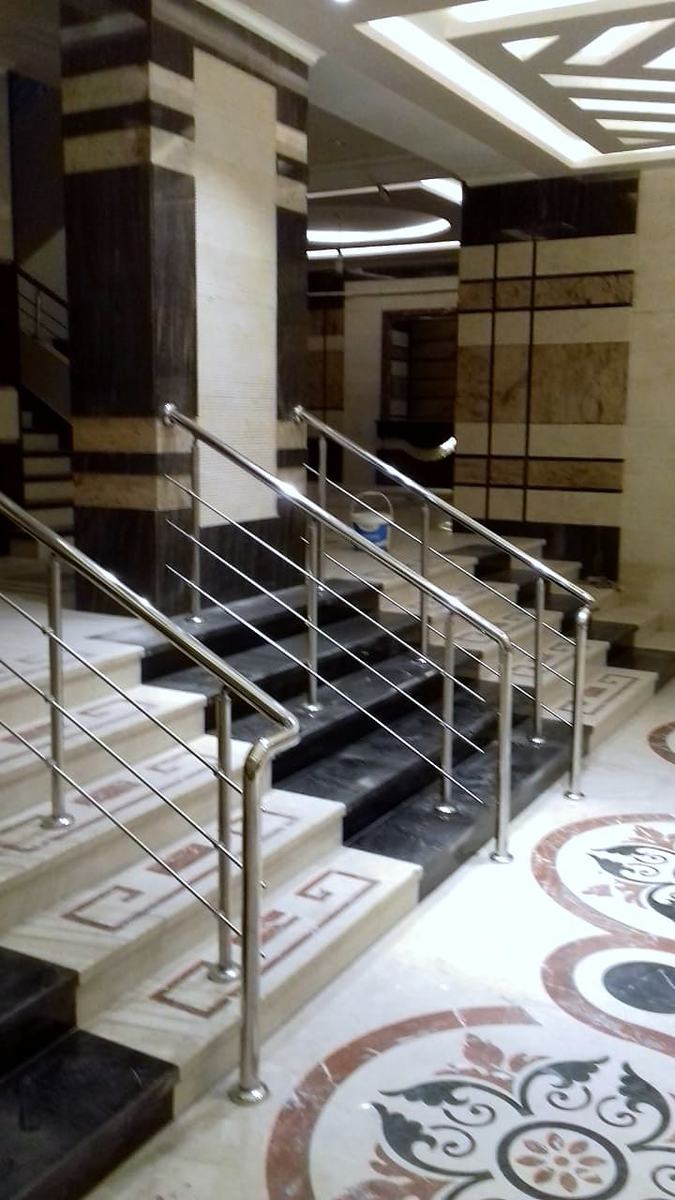
| Stairs | Galala Classic, Silvia Menia, Samaha, Khatmeya, Imperial Grey | Choose an anti-slip nosing, or a honed or brushed finish on the treads |
| Bathrooms and vanity tops | Triesta, Crema Egypt, Galala Extra, Cleopatra, Milly Gray | Seal it, and keep acidic cleaners away from it |
| Feature walls | Milly Gray, Fillito, Breccia Menia, Golden Cream, Royal Beige | Book-matching needs slabs cut in sequence and laid in the same order |
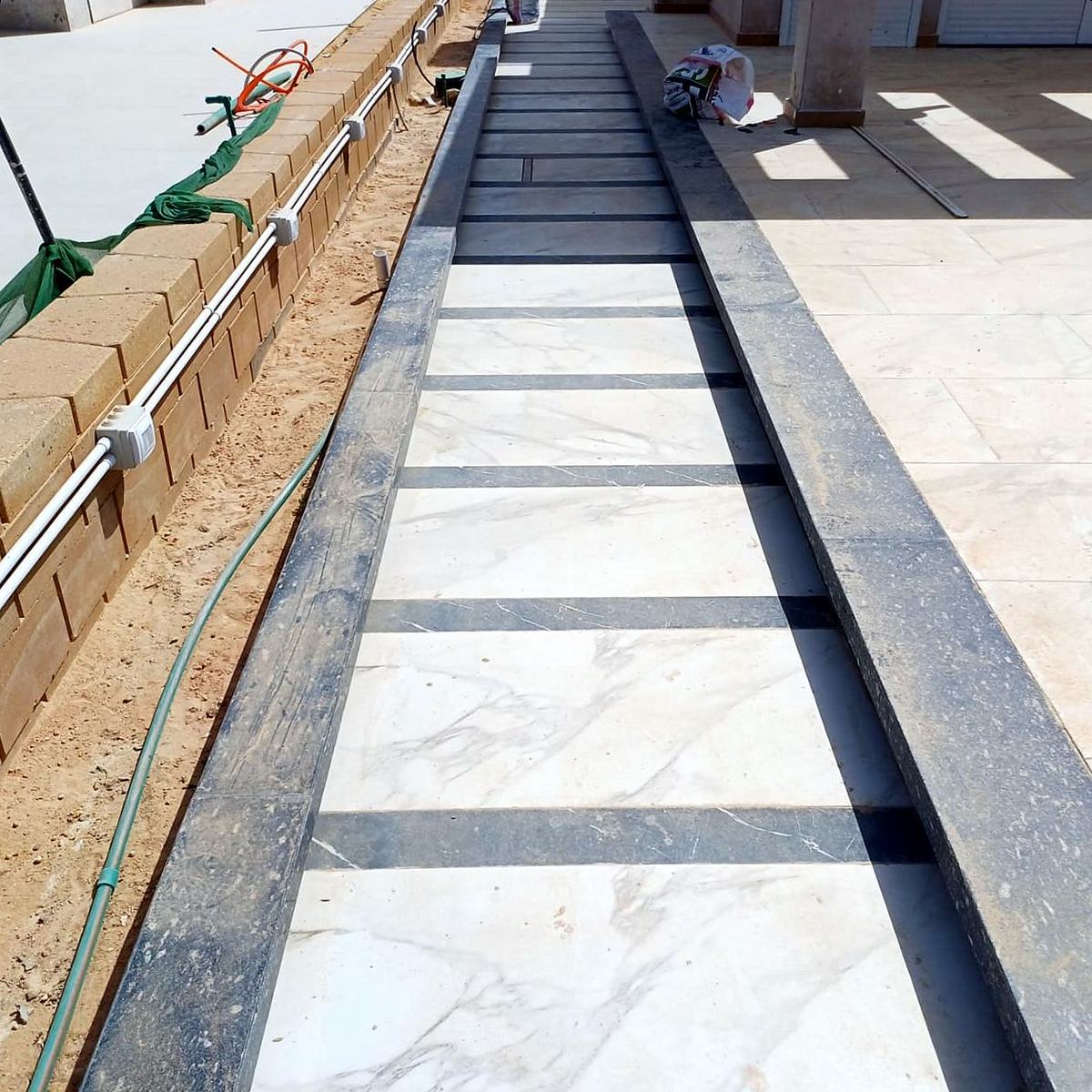
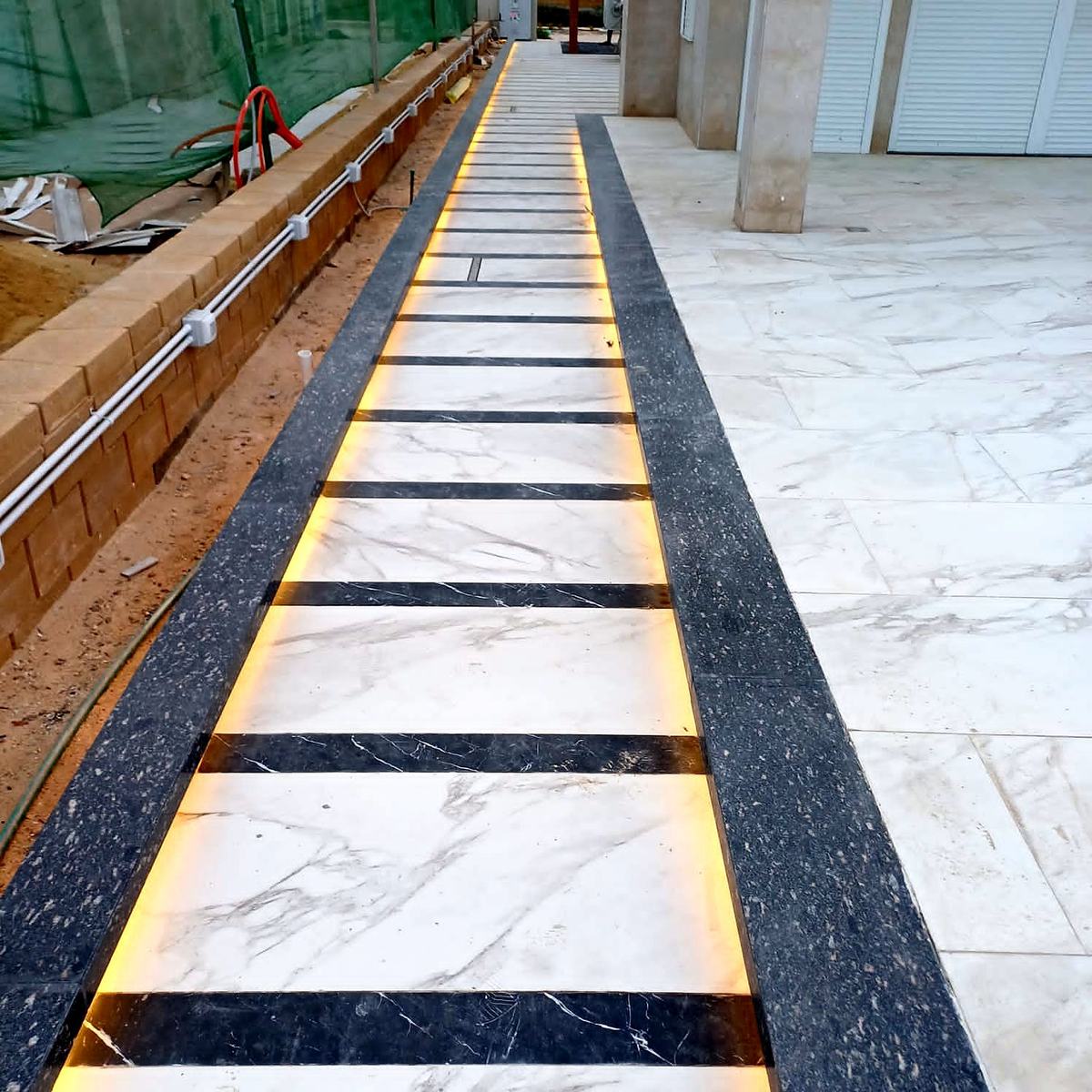
| Façades, outdoor paving, pool surrounds | Hashma Beige, Golden Sinai, Samaha | Use sandblasted, bush-hammered or brushed finishes, and avoid polished stone underfoot outside |
| Kitchen worktops | Marble only if you accept marks | Granite or quartz is usually the practical choice for a busy kitchen |
Finishes, cuts and grades
The same marble can look and behave very differently depending on its finish, the direction it was cut and the grade you buy.
- Polished: a mirror shine that deepens the colour and shows the veining. It is slippery when wet and shows scratches on busy floors.
- Honed: smooth and matt. The colour is softer and everyday marks show less.
- Brushed, antique and tumbled: textured, aged-looking surfaces with more grip underfoot.
- Sandblasted, bush-hammered and flamed: rough textures for outdoor floors, steps and pool surrounds, offered on some of the denser stones.
- Leathered: a soft sheen with a gentle texture, offered on the greys such as Milly Gray and Imperial Grey.
Vein-cut and cross-cut matter for Sunny, Milly Gray and Golden Cream: cut along the bed you get lines, cut across it you get clouds or flowers. Grade names such as extra, first and second are a selection by colour evenness and visible defects. They are not one standard across the trade, so judge the actual slabs or the batch, not the word on the quotation.
Looking after Egyptian marble
Marble is a calcium-carbonate stone, so it reacts to acids and is softer than granite or porcelain. Care is simple once you know that.
- Clean with water and a neutral cleaner. Lemon, vinegar, many descalers and some general cleaners etch polished marble and leave dull marks.
- A penetrating sealer reduces staining from oil, coffee and juice, but it does not stop acid etching, so wipe spills quickly.
- Sand is what scratches floors. Mats at the entrance, and on the beach side of a chalet, protect a polished floor.
- Put felt pads under furniture, and never drag heavy pieces.
- A dull or scratched floor can be ground and polished again on site (جلي). Honed floors hide wear for longer.
- Look after the grout and the edges too: a cracked joint lets water get under the stone.
How Itmam supplies and fits marble
Our catalogue lists 94 Egyptian stones, covering marble, granite, quartz and onyx, with each stone's colour, origin, finishes and uses. You can browse it online and visit our showroom in El Deresa, Alexandria.
Stone is templated, cut and installed by the same team, from our own workshops, so floors, stairs, vanity tops and wall panels are cut to the measurements taken on site.
We visit, measure and give you a written, itemised quotation before work starts. Supply-only is available, and on a finishing contract you pay each supplier directly, with the tax invoice in your name and our fee for supervision and execution agreed in writing.
Questions people ask