Trade supply
Paint & Coatings
Paint, primer and waterproofing go out by the tin, the pail and the drum to anybody who wants to roll it on themselves or hand it to their own decorator. No decorating contract, trade terms, delivered to site. We will also work the quantity out with you against real coverage rates rather than the optimistic figure on the label, and we price the order on the day, because coating prices in Egypt have moved too hard for a published rate to mean anything.
Scope of works
What we actually do.
Everything below happens inside our business — no subcontracted links in the chain.
- 01
Interior emulsion & enamel
Vinyl and acrylic emulsions in matt, silk and washable grades for walls and ceilings, and alkyd enamels in gloss and satin for joinery, doors, railings and metalwork. Supplied in trade pack sizes rather than retail tins, which is what a whole house needs.
- 02
Primers, sealers & fillers
Alkali-resisting primer for new plaster and render, stabilising sealer for chalky or previously painted substrates, metal primers, wood primers, and the fillers and jointing compounds that go with them. The coat nobody photographs and the one that decides whether the finish lasts.
- 03
Exterior masonry & elastomeric
UV-stable exterior masonry paints and crack-bridging elastomeric coatings for elevations that take direct sun and salt air. On the North Coast this is not a cosmetic decision — a solvent alkyd on an exposed coastal elevation will chalk and fail early, where a good elastomeric system moves with the substrate and stays sealed over hairline cracking.
- 04
Epoxy floor coatings
Two-pack epoxy for garages, plant rooms, stores, workshops and kitchens — roller-applied coatings for a sealed hardwearing film, and self-levelling systems where you want a seamless floor with a measured thickness. Supplied with the primer and the aggregate for a non-slip broadcast if the floor gets wet.
- 05
Waterproofing systems
Cementitious tanking for tanks, basements, planters and wet rooms; bituminous membranes and emulsions for roofs and buried structure; and liquid-applied polyurethane where you want a seamless UV-stable membrane on an exposed roof or terrace. Three different materials for three different problems, and we will tell you which one your problem actually is.
Specification
The numbers, before you ask.
| Interior emulsion | Around 10 to 14 square metres per litre per coat on smooth plaster |
|---|---|
| Enamel & gloss | Around 12 to 16 square metres per litre per coat on primed surfaces |
| Exterior masonry | Around 6 to 10 square metres per litre per coat, texture dependent |
| Elastomeric | A thick film, so ordered by weight — roughly 1.5 to 2.5 kg per square metre |
| Epoxy floors | Roller-applied around 5 to 8 m² per litre; self-levelling by kg per mm |
| Waterproofing | Cementitious 2–3 kg/m² over two coats; liquid PU 1.5–2.5 kg/m² |
Selection
Systems and what they cover
Interior emulsionWalls & ceilings
Matt, silk and washable acrylics. Around 10 to 14 square metres per litre per coat on smooth plaster, and materially less on the first coat over new work, which drinks.
Enamel & alkyd glossJoinery & metalwork
Gloss and satin for doors, frames, railings and gates. Around 12 to 16 square metres per litre per coat over a proper primer. Keep it internal or sheltered — full coastal sun is hard on alkyds.
Exterior masonry & elastomericFacades & coastal
UV-stable acrylic masonry paint at roughly 6 to 10 square metres per litre, or a crack-bridging elastomeric ordered by weight at roughly 1.5 to 2.5 kilograms per square metre. The coastal answer.
Epoxy floor systemsGarages & plant rooms
Two-pack epoxy, roller-applied at around 5 to 8 square metres per litre per coat, or self-levelling ordered by kilograms per millimetre of thickness per square metre. Add aggregate where it will be wet.
Cementitious & bituminous tankingTanks, basements & roofs
Brush or trowel-applied cementitious systems at roughly 2 to 3 kilograms per square metre over two coats for tanks, planters and wet rooms; bituminous membranes and emulsions for roofs and buried work.
Liquid polyurethane membraneExposed roofs & terraces
Seamless, elastic and UV-stable, at roughly 1.5 to 2.5 kilograms per square metre for a 1 to 1.5 millimetre dry film. The system to specify where the membrane stays exposed to the sun.
Gallery
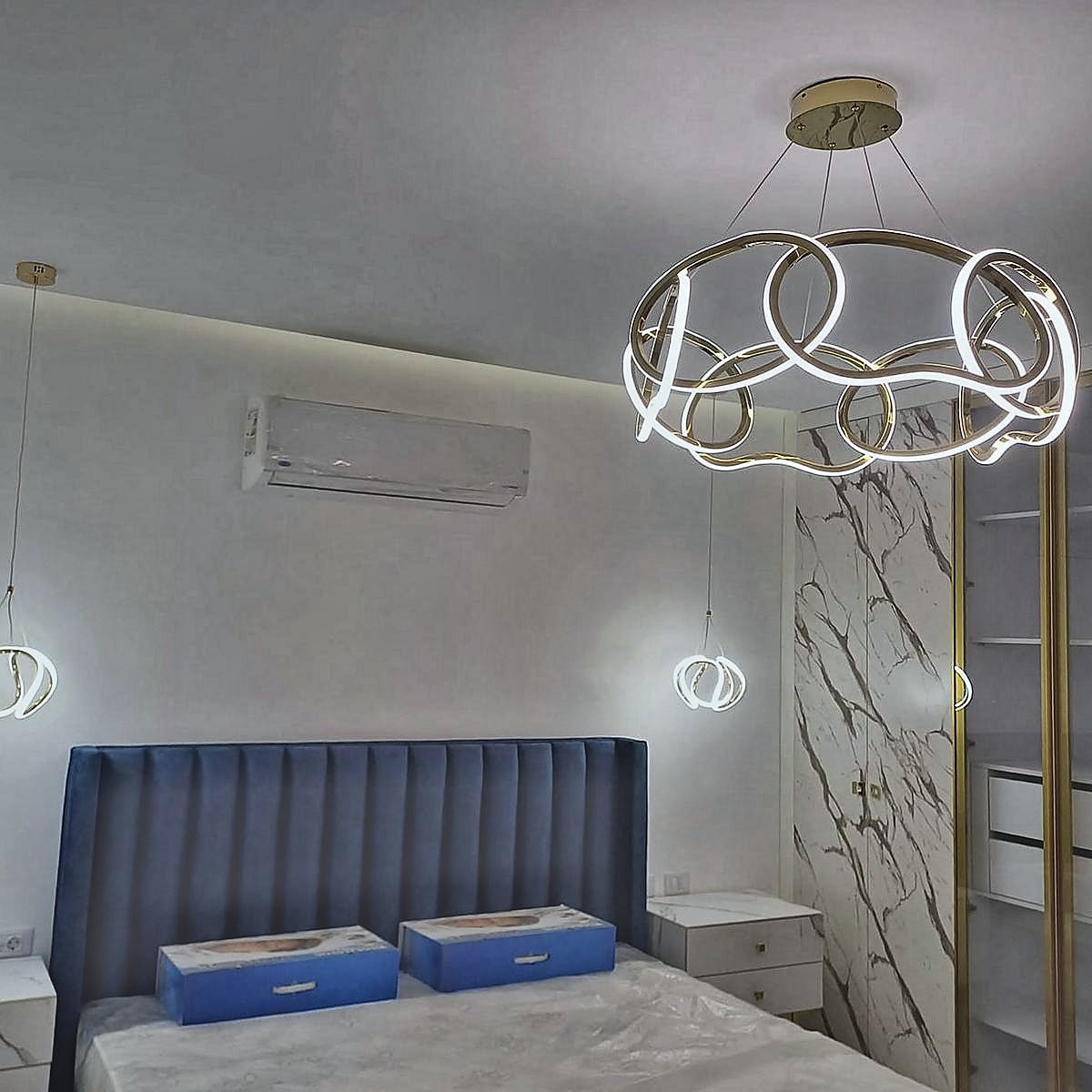
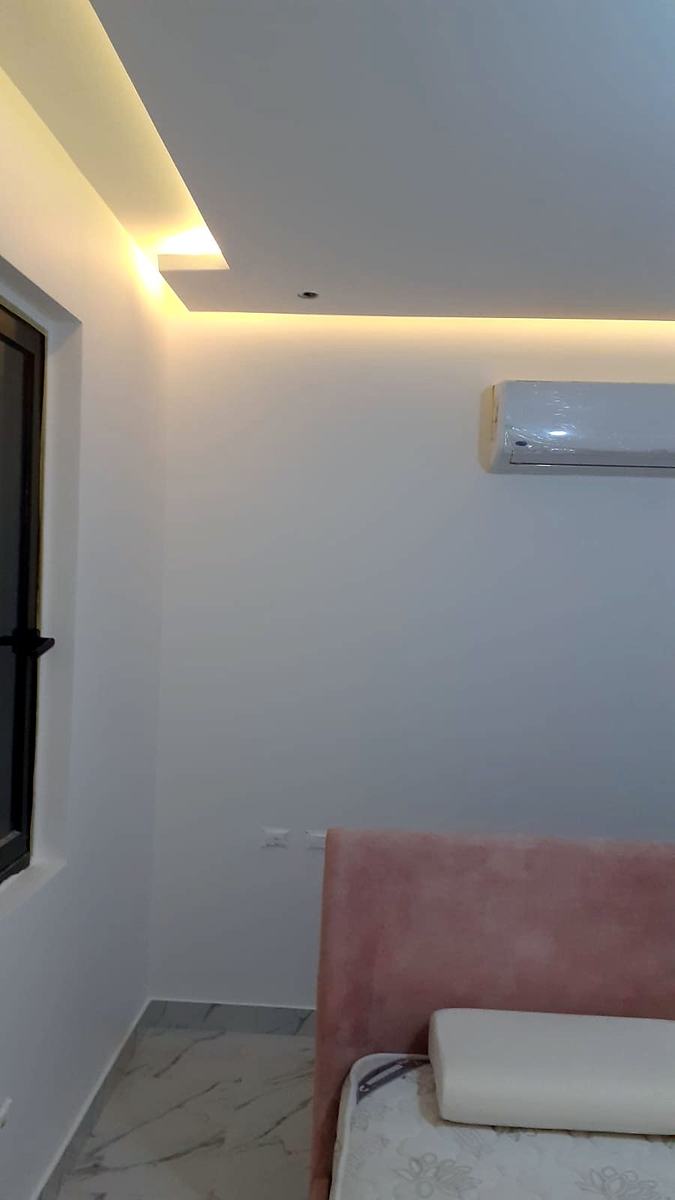
Paint & Coatings in place.
Every photograph on this page was taken on one of our sites during the work. Nothing here is a stock image or a render.
Where it goes
- Internal walls & ceilings
- Doors, joinery & railings
- External elevations & boundary walls
- Roof and terrace waterproofing
- Water tanks, basements & planters
- Wet rooms & bathroom tanking
- Garage & plant room floors
- Coastal facades & parapets
Questions we get asked
Paint & Coatings — questions we get asked
Can I buy the paint and do the decorating myself?
How much paint do I need?
Which waterproofing for a roof?
Why does exterior paint fail so quickly on the coast?
Do you supply epoxy floor coatings for a garage?
Usually specified with
Related divisions
Painting & Decorative Finishes
Paint is the finish everybody judges and the trade everybody rushes.
See more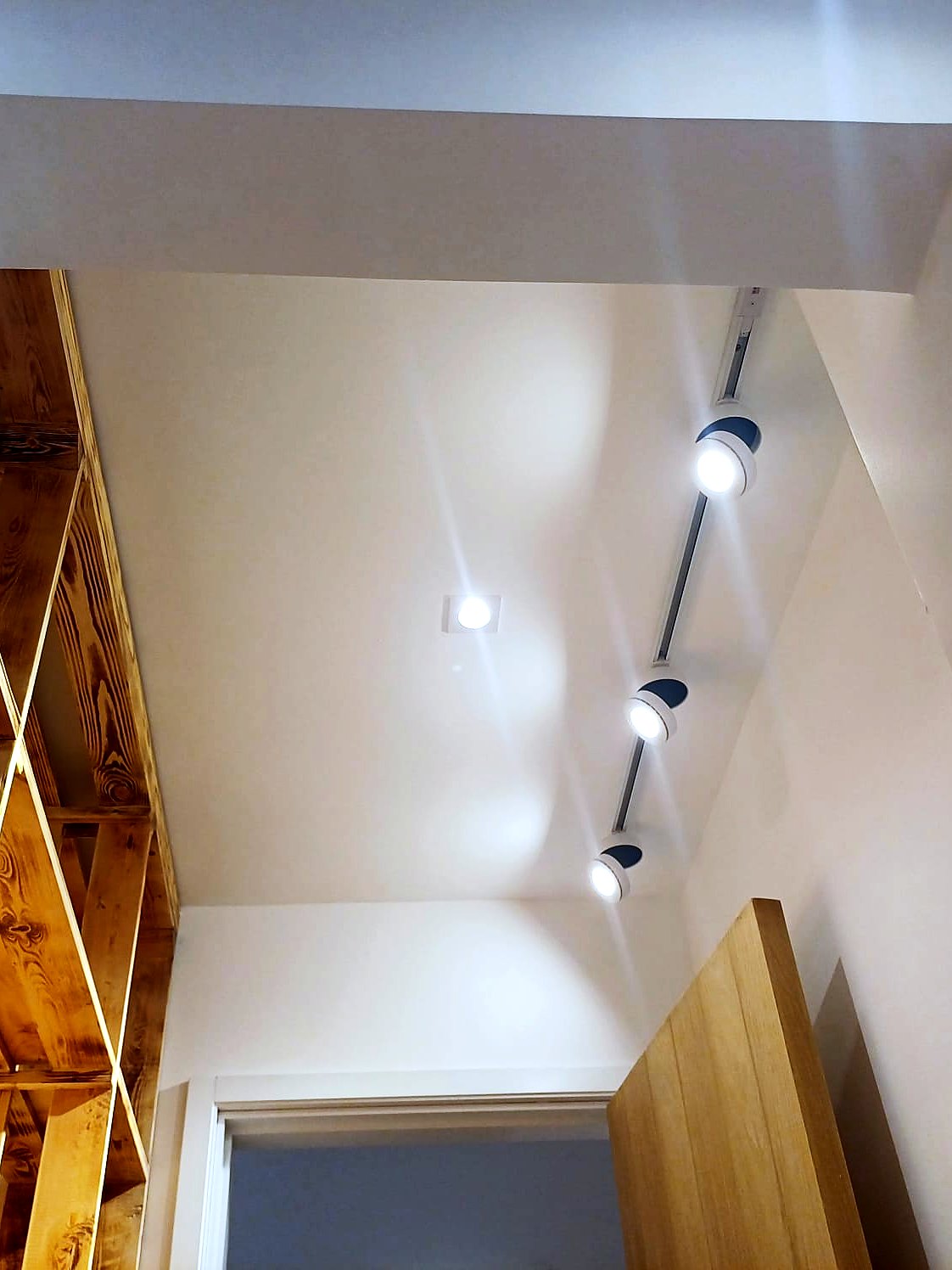
Gypsum & Decorative Ceilings
The ceiling is where lighting, air conditioning and joinery all arrive at the same plane, which is why it is the first thing an eye catches when something is out.
See more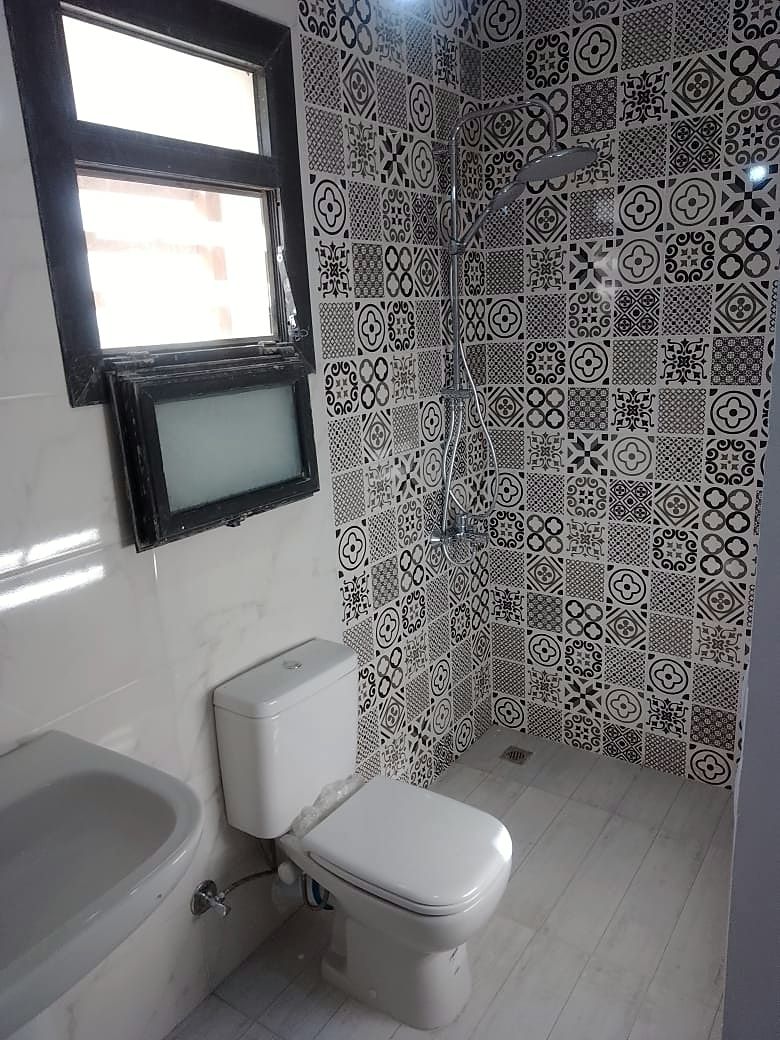
Tiles, Porcelain & Ceramics
Tile is a material people are perfectly happy to buy months before anybody lays it, and we sell it exactly that way — by the lot, on trade terms, with no fitting contract attached.
See more
Full Home Renovation
This is the contract most of our clients actually want: one company, one programme, one written quotation.
See moreRead next
Roof and bathroom waterproofing
Waterproofing is a layer nobody sees once the finishing is done, which is why its mistakes show late: a stain on the neighbour’s ceiling, peeling…
See more Guides · repairsDamp walls: find the cause first
Painting over damp hides it for a season, and then it comes back, usually worse. The fix depends on where the water comes from, and the shape of the…
See more