Trade supply
Blocks & Bricks
Blocks and bricks go out by the pallet, the thousand or the lorry load to whoever is building, with no requirement that we lay a single one. Owner-builders, small contractors and consultants ordering for a client all buy on the same trade footing, delivered to site across Cairo, the coast and everywhere between. We quote against the count and the delivery on the day you ask, because the walling market moves with fuel and fired-clay costs and a published figure would only mislead you.
Scope of works
What we actually do.
Everything below happens inside our business — no subcontracted links in the chain.
- 01
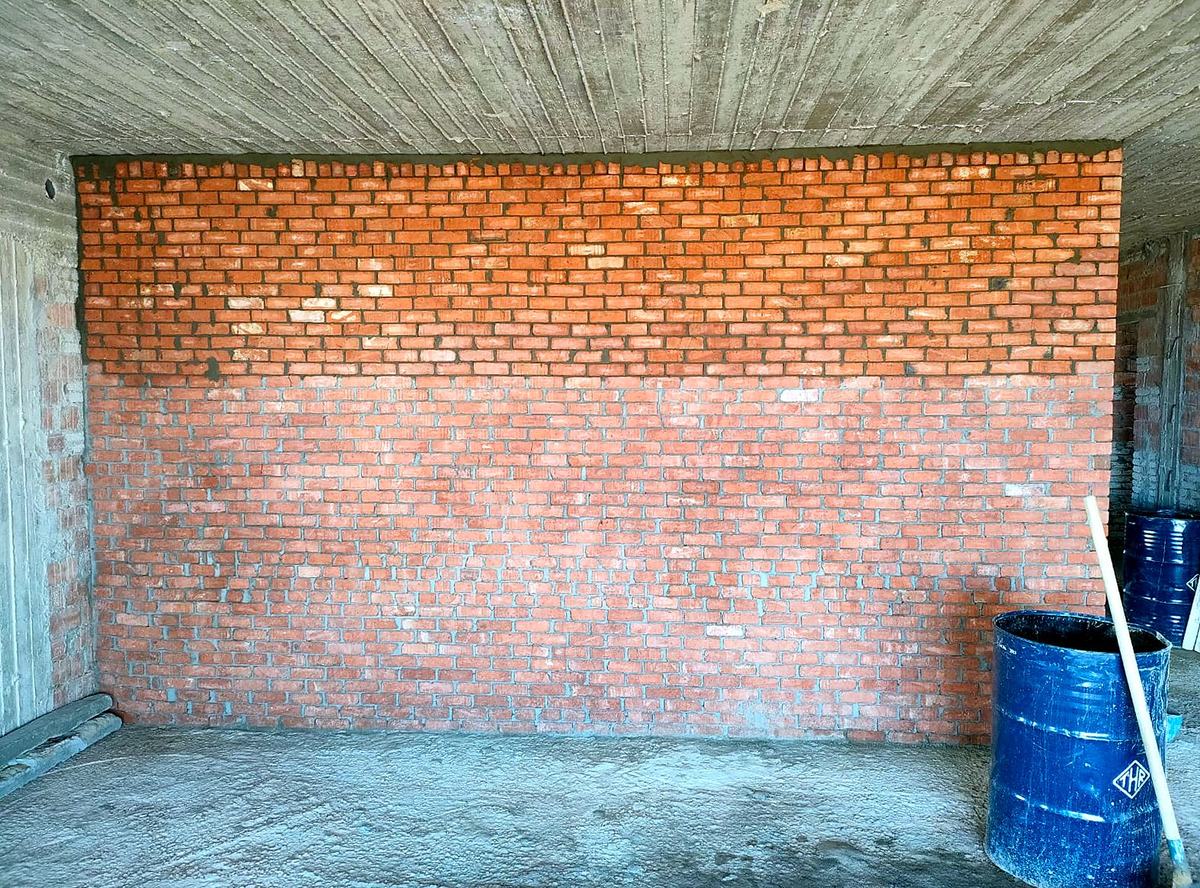
Red clay brick
The familiar fired brick at around 25 by 12 by 6 centimetres, solid and perforated. Solid where you want mass, sound resistance and a wall that will take a heavy fixing without a resin anchor. Perforated where you want the same wall lighter and a little more thermally forgiving.
- 02
Cement blocks, hollow & solid
The standard Egyptian face of 40 by 20 centimetres in 10, 12, 15 and 20 centimetre thicknesses, hollow and solid. Fast to lay, dimensionally consistent and the default for external skins, party walls and any partition that has to carry something.
- 03
Lightweight & autoclaved aerated
Aerated blocks at roughly a third the weight of solid concrete for the same volume, in large formats that go up quickly. Genuinely good insulation, easy to cut with a hand saw, and kind to a slab you are trying not to overload. Laid on thin-bed adhesive mortar, not a thick sand-cement bed, which is the mistake that eats the saving.
- 04
Hourdi & hollow floor units
Infill blocks for ribbed and hollow-block slabs, laid between the ribs to form the soffit and take the topping. Supplied in the depths that suit the rib spacing on your drawing. Order the depth against the structural detail, not against what the last job used.
- 05
Thermal & insulated blocks
Blocks with an insulating core or a lightweight aggregate, for external walls where the cooling load is the thing you are actually fighting. Worth costing properly on a west-facing Sahel elevation or a New Cairo villa with a lot of exposed wall, where the saving is on the air conditioning bill rather than on the wall.
Specification
The numbers, before you ask.
| Red clay brick | Around 25 × 12 × 6 cm, solid and perforated |
|---|---|
| Cement blocks | 40 × 20 cm face in 10, 12, 15 and 20 cm thicknesses, hollow and solid |
| Lightweight & AAC | Aerated blocks at roughly a third the weight of solid concrete |
| Floor units | Hourdi and hollow-block infill in the depths that match your rib spacing |
| Weight guide | A solid 20 cm block runs near 30 kg; the hollow equivalent nearer 18 kg |
| Sold by | The pallet, the thousand and the lorry load |
Selection
Walling units and where they belong
Solid red clay brickMass, sound & wet areas
Heavy, dense and dependable. Best where you want acoustic separation, a wall that takes fixings anywhere, or masonry that will sit against water without complaint. The cost is dead weight the structure has to carry.
Hollow cement blockGeneral walling
The everyday external skin and partition unit. Quick to lay, straight, and roughly forty per cent lighter than the solid version of the same size. Specify this unless something on the drawing genuinely needs solid.
Solid cement blockLoaded & wet walls
For low retaining, plant rooms, wet areas, parapets that take wind load and any wall carrying a real fixing. Do not use it as a blanket default — it is nearly double the weight of hollow, and that weight is paid for twice.
Autoclaved aerated & lightweightPartitions & thermal skins
The lightest option and the best insulator of the group. Ideal on upper floors, roof-level rooms and additions on an existing slab. Weak in tension, so it wants proper lintels, and fixings need the right plugs rather than optimism.
Hourdi & floor infillRibbed slabs
Not a wall unit at all — the infill that forms a ribbed slab between the ribs. Ordered to the depth in the structural drawing, delivered to floor level where the crane or hoist can reach it.
Thermal & insulated blocksExternal envelope
Insulating core or lightweight aggregate, for elevations taking real sun. The case for them is the running cost of cooling the rooms behind, which is where they pay back, not the wall cost.
Gallery
Blocks & Bricks in place.
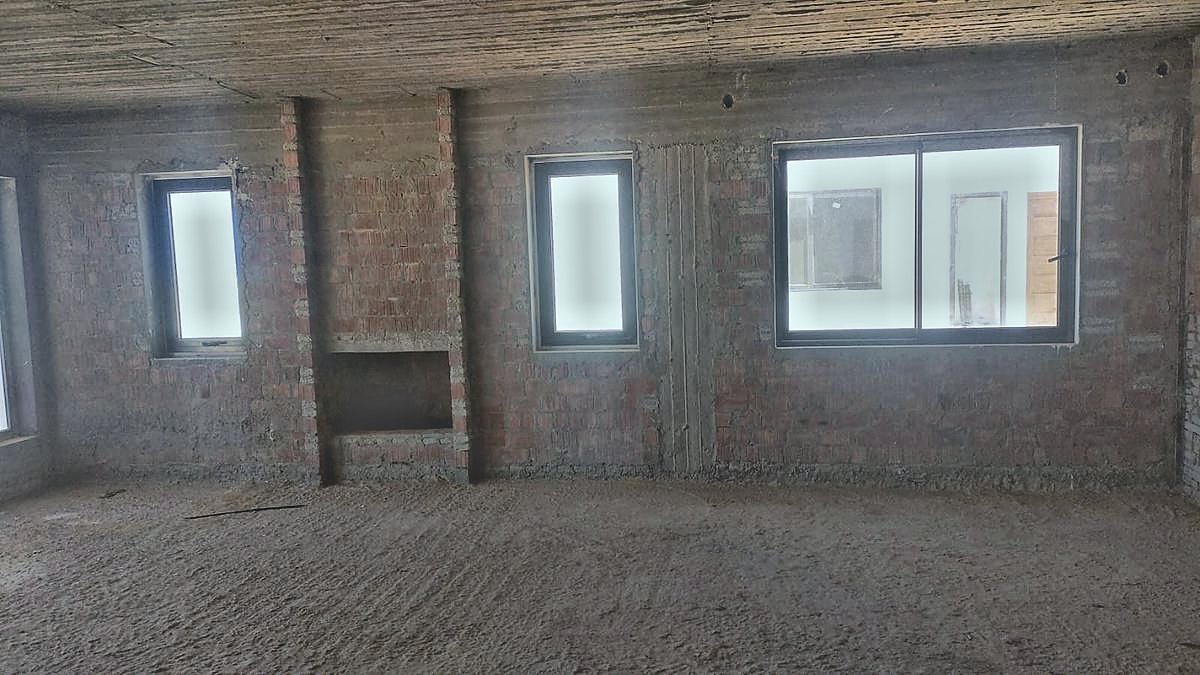
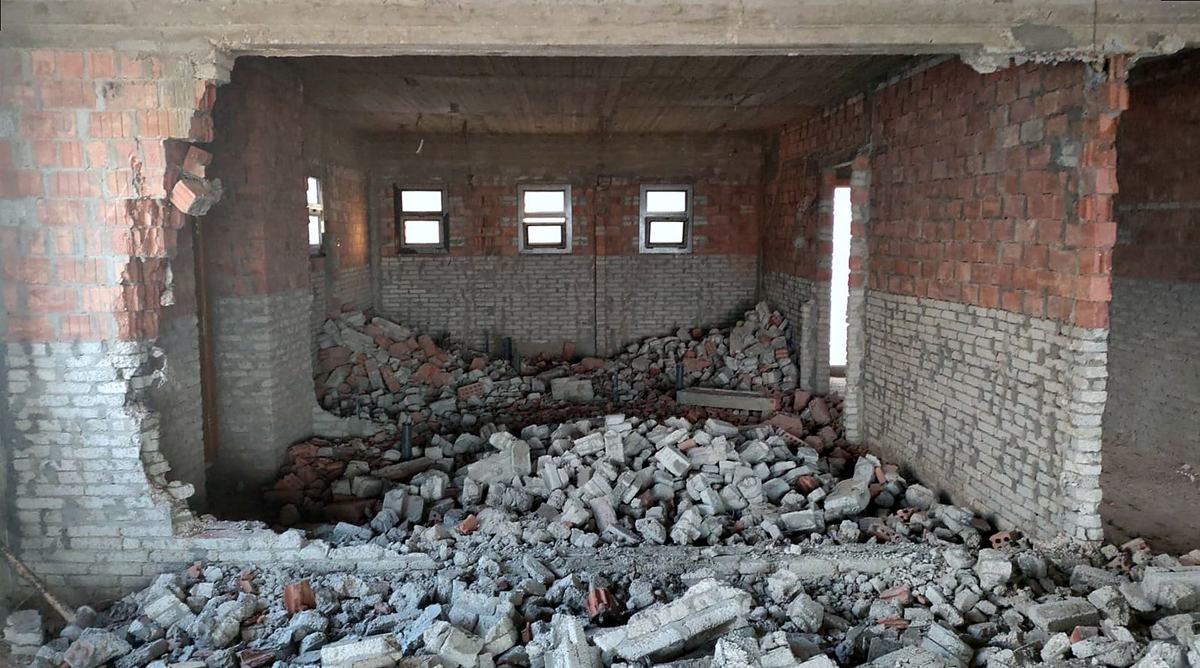
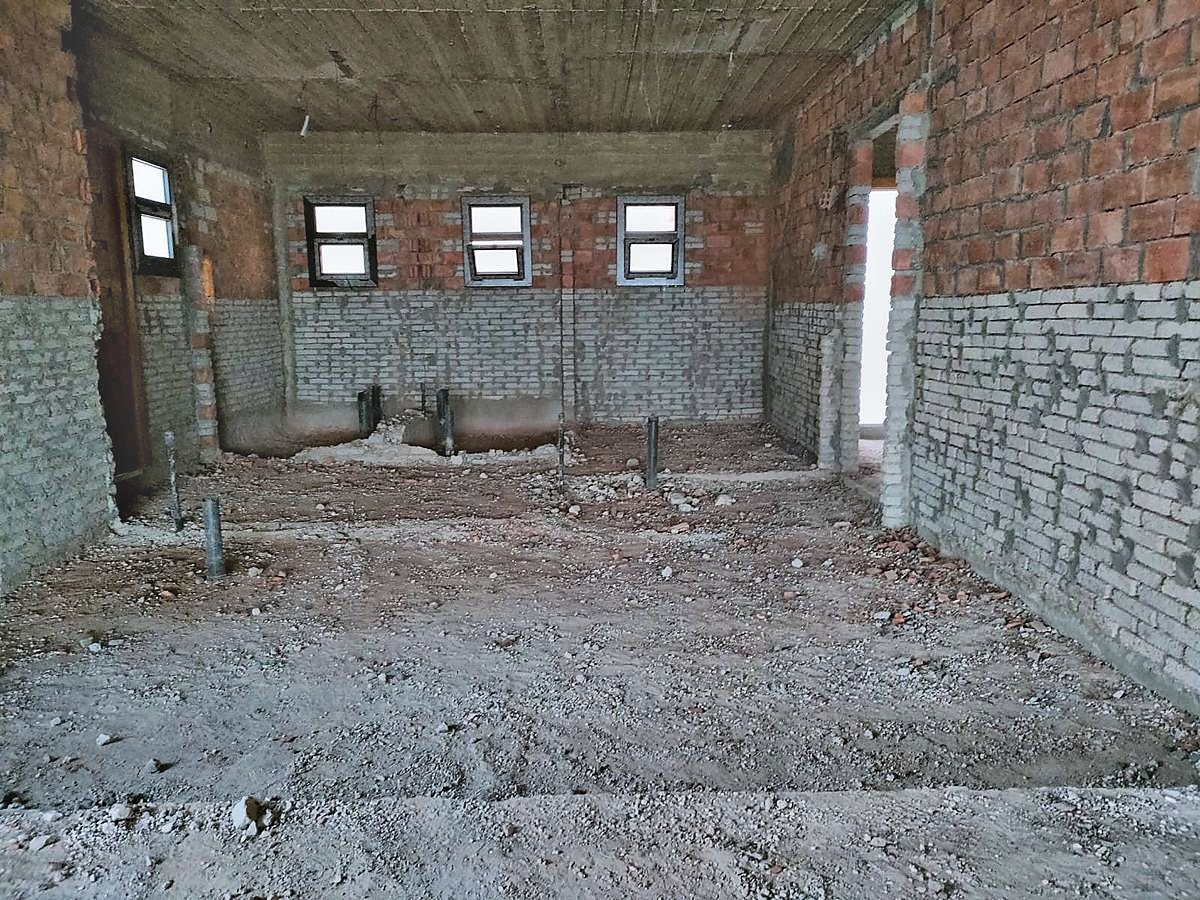
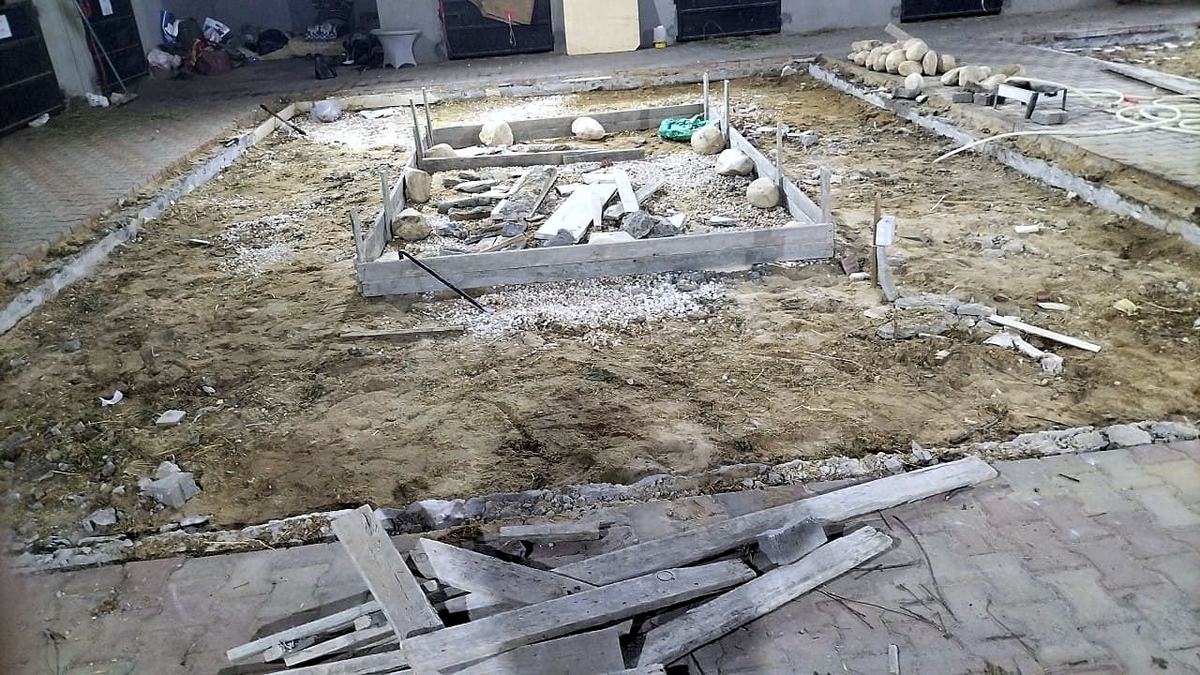
Every photograph on this page was taken on one of our sites during the work. Nothing here is a stock image or a render.
Where it goes
- External walls & skins
- Internal partitions
- Party & separating walls
- Parapets & roof upstands
- Ribbed & hollow-block slabs
- Boundary & garden walls
- Plant rooms & wet areas
- Infill to concrete frames
Questions we get asked
Blocks & Bricks — questions we get asked
Will you supply blocks if somebody else is laying them?
Hollow or solid — does it really matter?
Are lightweight and AAC blocks worth it in Egypt?
What are hourdi blocks for?
How many blocks do I need per square metre?
Usually specified with
Related divisions
Cement
You can buy cement from us by the bag, by the pallet or by the bulk tanker without hiring us to build anything.
See more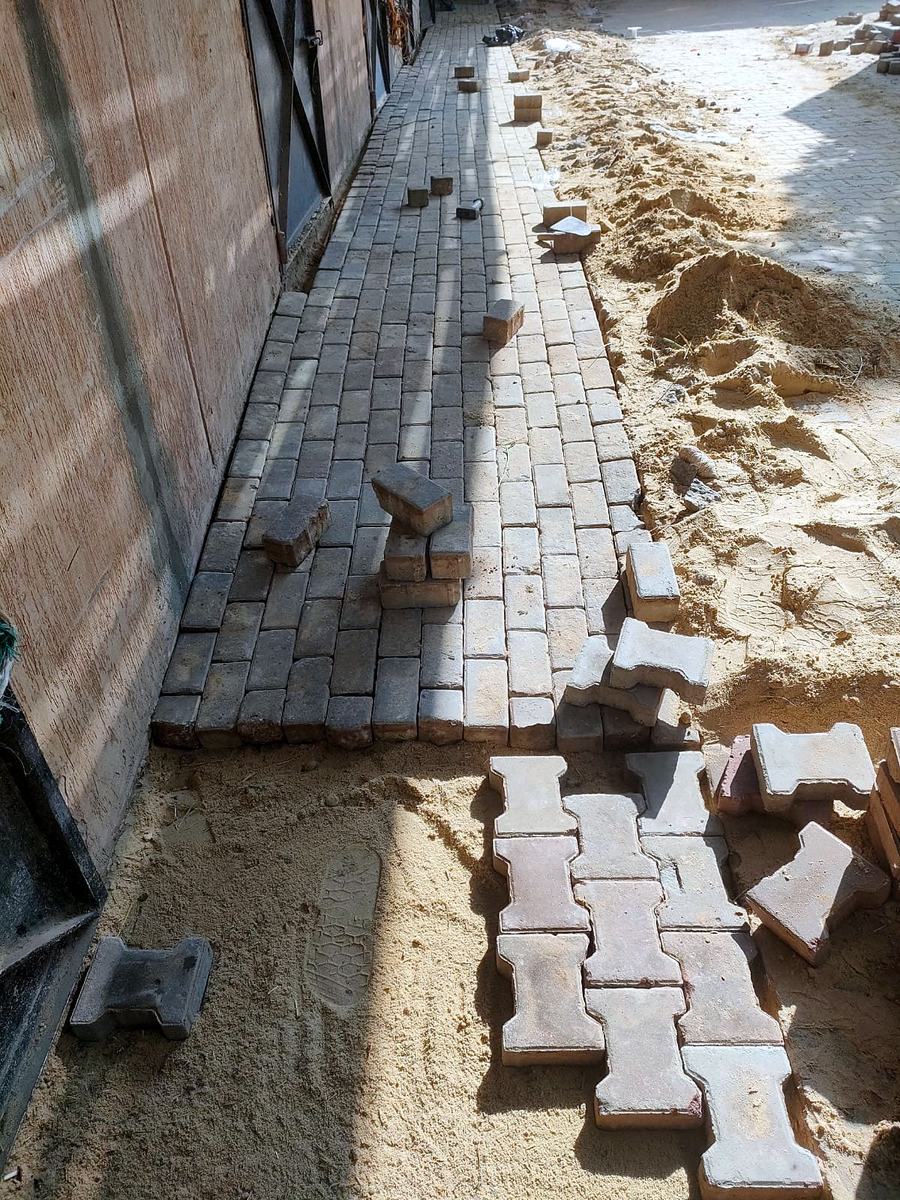
Sand, Gravel & Aggregate
Sand and aggregate are sold by the cubic metre and by the lorry load, tipped where you want them on site, with nobody from us staying behind to mix anything.
See more