Areas · Alexandria
Flooring in Alexandria: porcelain, parquet, SPC and marble
Choosing flooring in Alexandria starts with the humidity, not the colour: damp air for most of the year, sand and salt in flats near the sea, damp that can rise through a ground-floor slab, and old terrazzo and marble under many flats. Here is which floor suits which room, when to restore the old floor rather than cover it, what to check before any laminate or SPC, and how to check the work at handover.
What is different about floors in Alexandria?
In Alexandria a floor is chosen for humidity, sand and the state of the old floor before its looks, because those three are what ruin floors here.
- Humidity: damp air does not harm porcelain or stone, but it does harm anything made with wood fibre, especially in a flat left closed for months.
- Ground floors: damp can rise from the ground through the concrete slab, so check it and treat the cause before any wood-type floor, SPC or vinyl.
- Flats facing the sea: sand carried in on shoes scratches marble and polished surfaces, so put a mat at every door and choose a matt finish in the entrances.
- Sun through large windows heats SPC and vinyl and fades them, so shade them with curtains.
- The old floor: terrazzo and old marble can often be ground and polished rather than lifted, so decide what happens to them before you buy a new floor.
What goes in which room? A comparison for Alexandria’s humidity
Porcelain and stone are the safest with water and damp, SPC is the best wood-look option in a humid flat, and HDF laminate is for dry rooms only.
| Floor | With water and damp | Best place | Watch for |
|---|---|---|---|
| Porcelain | Unaffected by water or damp | Anywhere, including kitchen, bathroom and balcony | Slip resistance in wet areas |
| Marble | Unaffected by damp; benefits from sealing | Reception, entrances and stairs | Scratched by sand, etched by acids, slippery when polished and wet |
| Granite | Absorbs very little water | Entrances, stairs and balconies | A textured finish in wet and outdoor areas |
| HDF laminate | Swells at the joints if water or ground damp reaches it | Dry bedrooms and living rooms | Not for kitchens, bathrooms or damp ground floors |
| SPC | Its core does not swell with water | Bedrooms, living rooms and kitchens | Needs a flat, dry base; strong sun; not for showers |
| Glued vinyl | The surface takes water, but damp in the base breaks the glue | Rooms, offices and clinics | A very smooth, dry base |
| Wood parquet | Swells and shrinks with the humidity in the air | Bedrooms in a flat with steady humidity | Left in the room before laying as the maker specifies |
Our flooring guide compares them in more detail for wear and upkeep.
HDF, SPC, vinyl and wood parquet: the real difference
All four give you the look of wood, but their cores differ, and the core decides how the floor behaves with water.
- HDF laminate is pressed wood fibre with a printed wood image and a wear layer on top, clicked together over an underlay. The surface is tough, but the core drinks water through the joints, swells and does not recover, and types sold as water-resistant only cope with surface spills for longer. The box carries an AC wear class with a number, higher being tougher, so ask for it in writing in the quote, with the board thickness.
- SPC has a rigid core of stone powder and PVC with a printed surface and a wear layer, and clicks together. It does not swell with water, so it suits kitchens and humid flats, but it needs a flat base so the joints do not break, and it is not for showers.
- Vinyl is flexible PVC: planks or tiles glued to the floor, or sheet with welded seams in clinics. It is quiet underfoot and its surface takes water, but the glued kind needs a very smooth, dry base, because even a grain of sand beneath it shows.
- Wood parquet is solid timber, or a real-wood top layer on an engineered core that is more stable in Alexandria’s climate. It can be sanded and refinished, but it needs steady humidity and protection from water.
Old floors: terrazzo and marble, restore or cover?
Terrazzo and old marble in older Alexandria flats can often be restored by grinding and polishing instead of being lifted, provided the tiles are firm and do not sound hollow.
- The firmness test: tap each tile with a coin; a hollow sound means a loose tile, to be relaid or replaced before anything is decided.
- Grinding levels the lips between tiles and brings the colour back. Broken tiles are replaced, but an exact match to the old colour can be hard to find.
- Covering with a floating floor: SPC or HDF laminate clicks together over firm, flat terrazzo without glue, so the old floor stays intact underneath and can be uncovered later. Glue on top of it is hard to undo.
- Covering with tiles: porcelain with a suitable adhesive over firm old tiles; our Alexandria tiles page explains the conditions.
- Height: every new layer raises the floor, so check the doors, the balcony threshold and the front door before you buy.
- Old wood parquet: if the boards are firm and dry, they can often be sanded and refinished; boards with woodworm or soaked by water are replaced.
Before any wood-type floor: levels and a moisture test
Laminate, SPC and vinyl usually fail because of the base, not the board, so the levels, the flatness and the moisture are checked before you buy.
Levels for the whole flat
Set the finished floor level for the whole flat first, so different floors, doors and thresholds meet at one height.
Flatness
Lay a long straight edge in several directions: the gap beneath it must be within what the maker allows, usually a few millimetres, and anything worse is corrected with a levelling screed.
A new screed
A new screed needs enough time to dry, and dryness is measured, not counted in days.
The moisture test
The most accurate check is a moisture meter compared with the maker’s limit. As a simple test, tape a piece of clear plastic sheet tightly to the floor for a day or two; if moisture appears under it or the floor darkens, it is still damp.
The barrier
On concrete, a polythene damp-proof sheet goes under the underlay, overlapped at the edges, as the maker specifies.
Last in the sequence
A wood-type floor or SPC goes down after the wet trades such as plastering and tiling, not before them.
Expansion gaps, skirting and thresholds
A floating floor must not be trapped between the walls: it needs an expansion gap all round, hidden under the skirting, or the boards lift and the joints open.
- The expansion gap runs round the whole room and around columns and pipes, at the size the maker gives, and is never filled with silicone or mortar.
- At doorways: a threshold profile between rooms where the material changes, and a break in long runs as the maker specifies.
- Fixed furniture: kitchens and heavy fitted wardrobes are not fixed on top of a floating floor; the floor is laid around them.
- Skirting is fixed to the wall, not the floor. MDF skirting swells from mopping water in a humid flat, so choose PVC or WPC skirting, timber with sealed edges, or porcelain or marble skirting with tile and marble floors.
- Hard floors too: porcelain and marble need movement joints at the edges under the skirting, and over any joint in the concrete.
How to check a floor at handover
Check the floor before you sign and before the furniture comes in, because flaws are hard to put right afterwards.
Look along the floor
Get your eye close to the floor and look along it: no edge higher than its neighbour, and no board lifting at the joints.
Tap the tiles and marble
A hollow sound means a tile not fully bedded; mark it, starting with the entrances and wet areas.
Walk on a floating floor
It should not bounce or creak, there should be no gaps between boards, and the threshold profiles should be fixed.
Edges and doors
Skirting tight to the wall with the expansion gap hidden beneath it, clean cuts around doors and pipes, and doors that open without catching on the floor.
Marble
An even polish with no change in sheen from one area to another, and flush joints.
Spares and care
Note the batch number, keep a box or two for repairs, and ask for the cleaning instructions for the material.
Our handover checklist covers the rest of the flat.
Itmam and floors in Alexandria
Itmam is a finishing, decoration and supply company from Alexandria: head office in El Ibrahimya, and a marble and granite showroom in El Deresa, Moharram Bey, where you choose the stone for floors and stairs with your own eyes, Egyptian or imported. Stone is templated, cut and installed by the same team; we grind and re-polish old marble, and we restore terrazzo where that is the right call.
We supply porcelain and ceramic tiles with the adhesive and grout to suit them, and supply-only is available. Laying is done by our team as part of a finishing job, including the screed, the levels and the waterproofing in wet areas. Laminate, SPC and vinyl are explained here so you can choose with your eyes open; ask us about them at the survey.
We visit, measure and give you a written, itemised quotation before work starts. On a finishing contract you pay each supplier directly at their price, and the tax invoice is in your name; our management fee for supervision and execution is agreed in writing before we begin, and we add nothing to the price of materials.
Itmam was founded in 2016, with 20+ years in the trade. Call or WhatsApp us on +20 106 926 2572, Saturday to Thursday, 09:00 to 18:00.
Departments for this
Tiles, Porcelain & Ceramics
Tile is a material people are perfectly happy to buy months before anybody lays it, and we sell it exactly that way — by the lot, with no fitting contract attached.
See more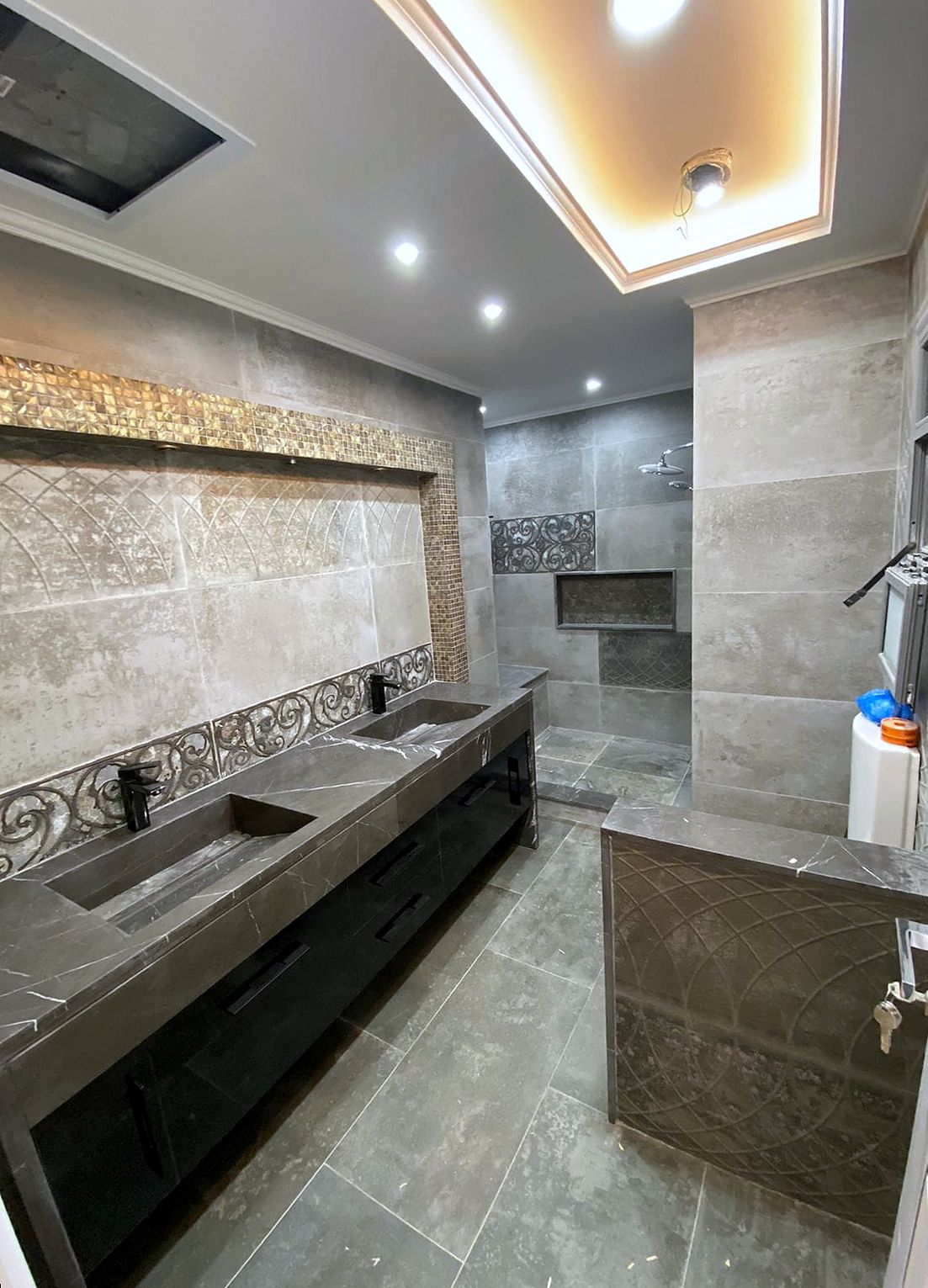
Marble
We buy marble at the block, not off a photograph.
See moreGranite
Granite is the stone you specify when a surface has to survive people.
See more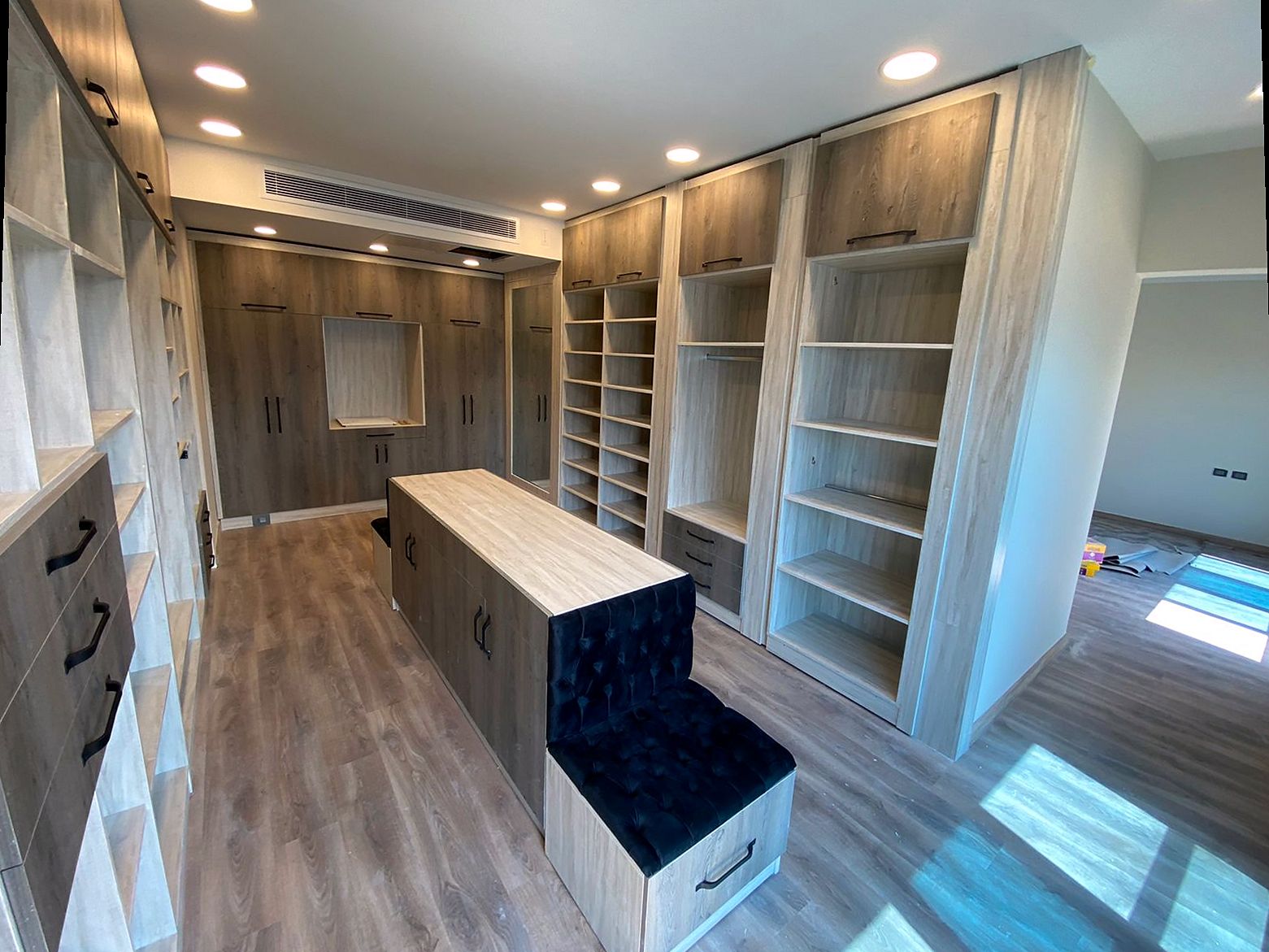
Full Home Renovation
This is the contract most of our clients actually want: one company, one programme, one written quotation.
See moreWork we have done
Photo gallery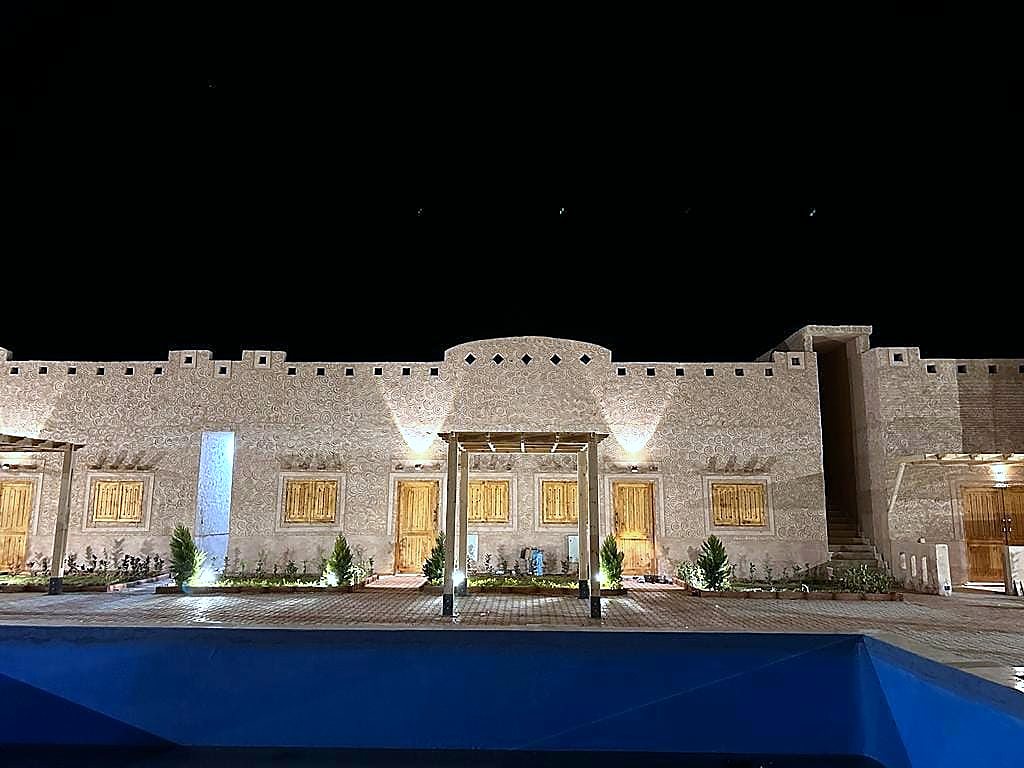
El Moghra
Turnkey build & finish · Desert lodge · Completed
View project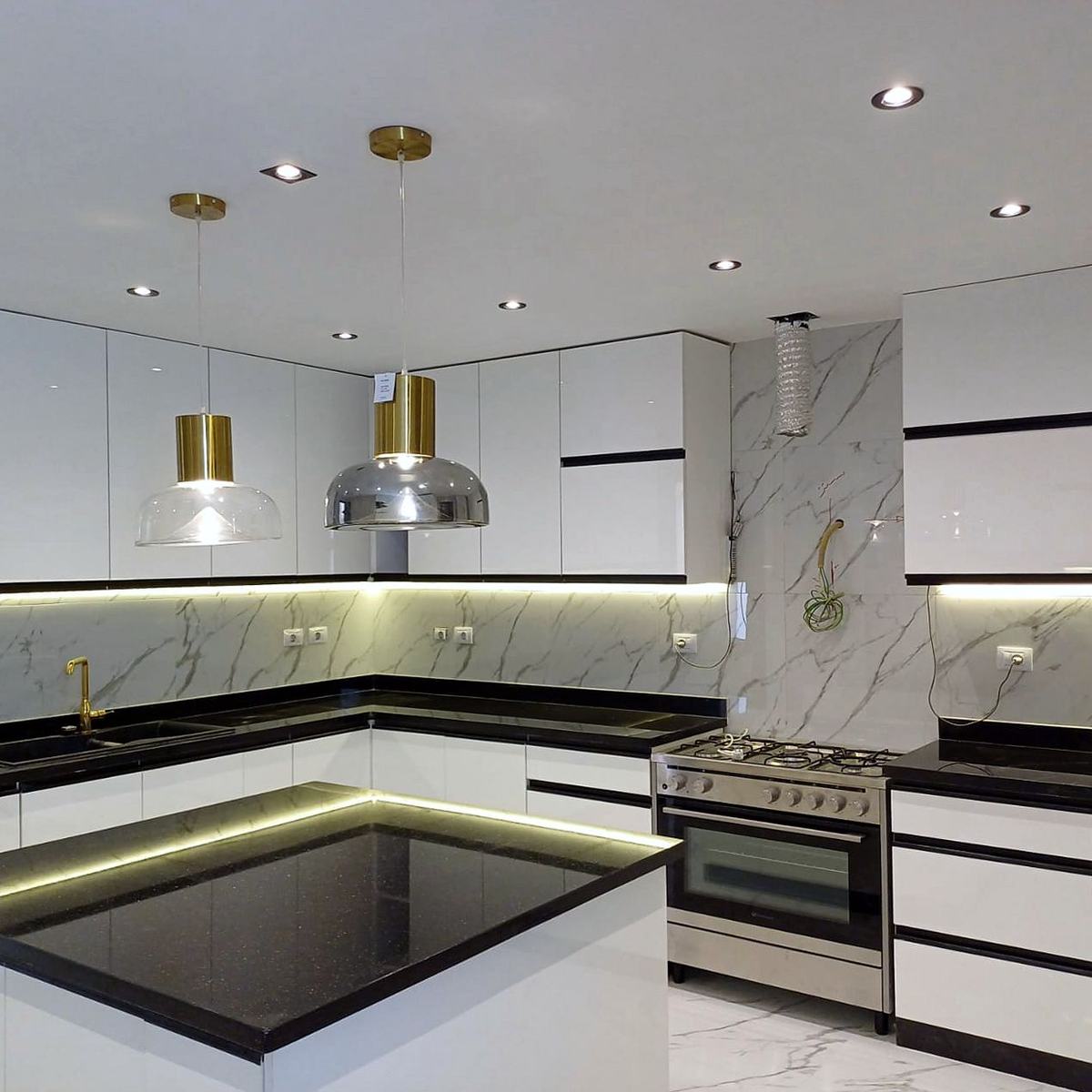
Sea-view Villa — Marble & Brass
Turnkey finishing · Villa · In progress
View project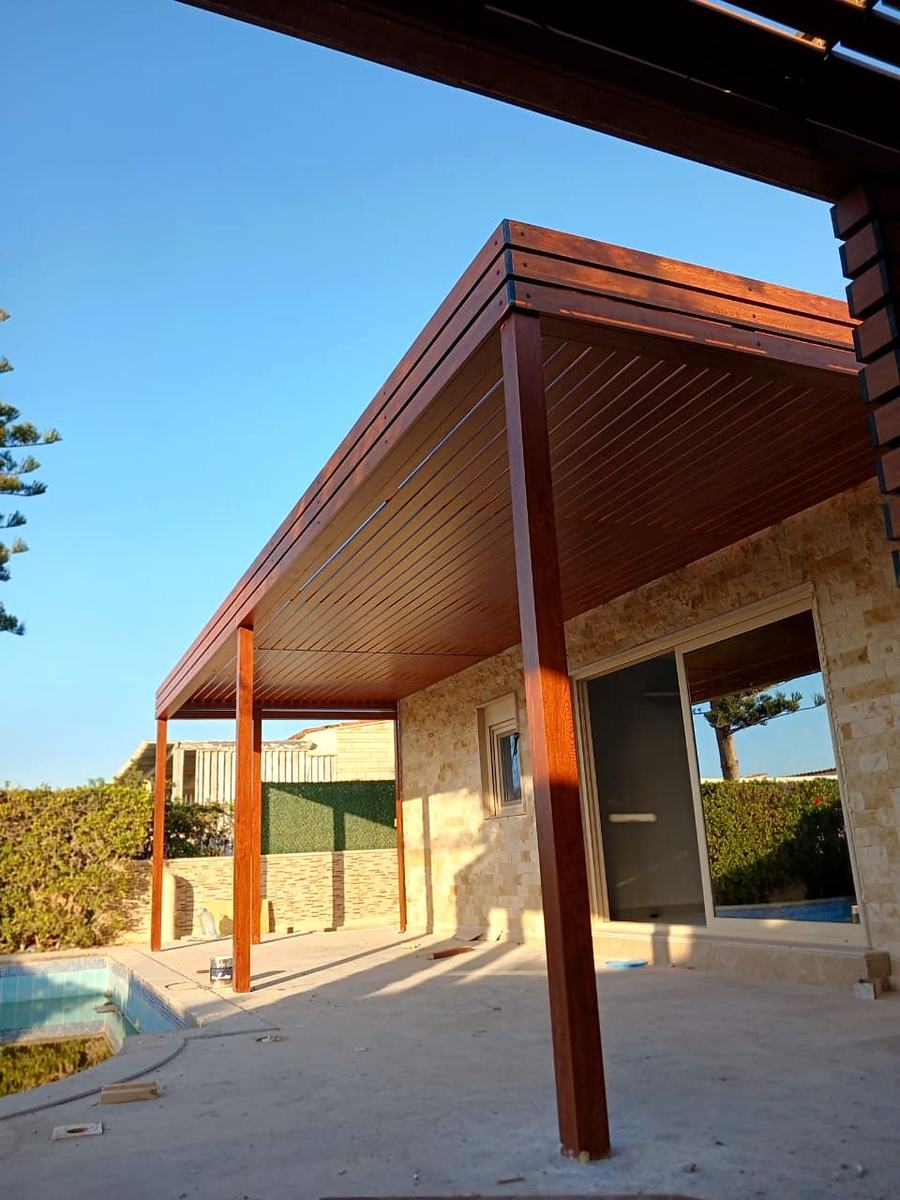
Pool Villa — Oak & Rattan
Exterior, pergola & interiors · Villa · In progress
View projectQuestions people ask
Does HDF laminate work in Alexandria’s humidity?
What is the difference between SPC and vinyl flooring?
Should I cover the old terrazzo or restore it?
I am hiring a parquet fitter in Alexandria. What should I ask?
What is the best floor for a seafront or ground-floor flat?
How much does flooring cost per square metre?
Read next
Alexandria
See more Guides · materialsChoosing floors, room by room
Floors cover more of your home than any other finish, and they are the hardest thing to change later. Here is how porcelain…
See more Areas · AlexandriaCeramic and porcelain tiles in Alexandria: choosing, supply and fitting
Choosing ceramic and porcelain tiles in Alexandria starts with the room itself: a damp bathroom, a balcony facing the sea or a…
See more Areas · AlexandriaWooden doors in Alexandria: room doors and front doors
Choosing wooden doors in Alexandria starts with the humidity and the opening, not the look: damp air for most of the year…
See more Finishing · by current stateRenovating older apartments
Older apartments in Alexandria have generous rooms, high ceilings and details that are hard to find today, and also wiring…
See more Guides · repairsDamp walls: find the cause first
Painting over damp hides it for a season, and then it comes back, usually worse. The fix depends on where the water comes from…
See more Supply · ShowroomOur marble and granite showroom in El Deresa
Stone is not chosen from a photograph. At our showroom in El Deresa, Alexandria, you see the stone in person, compare finishes…
See more Guides · materialsEgyptian marble, type by type
Egypt quarries many marbles, and most of them are beige, but they are not interchangeable. Here is what the main types look…
See more Guides · HandoverTaking handover: what to check before you sign
Handover is the last moment when defects are easy to fix. Go through the unit room by room, with the power and water on, and…
See more